dailynewsnblog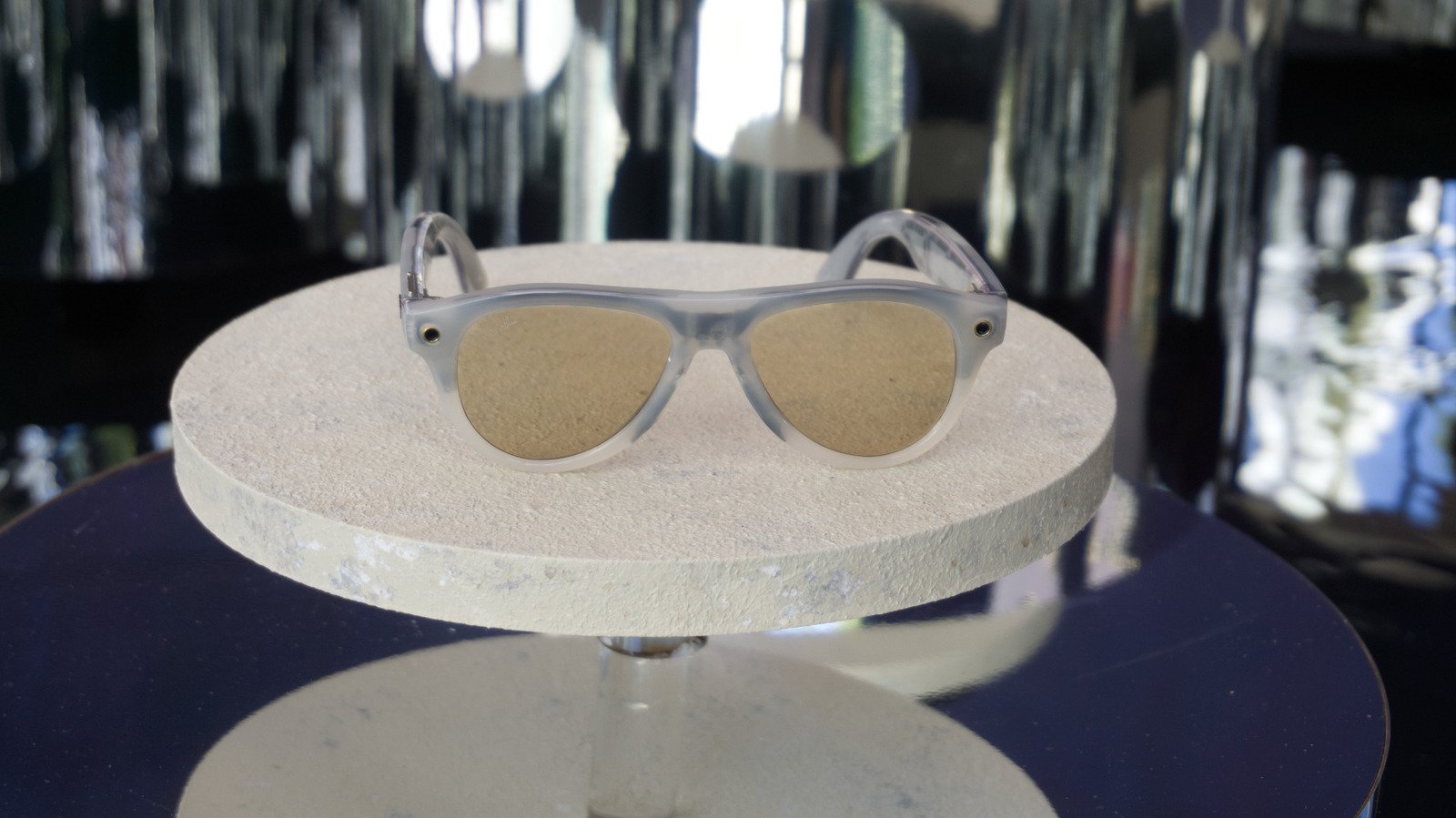
Somewhere, a contractor just breathed a sigh of relief.
Meta is making another concession to privacy critics as it tries to get ahead of the ongoing privacy backlash against its AI glasses. Now, the company says it will allow people to opt out of having their “visual data” from the glasses used for AI training.
The change means that users can opt of having their camera-based interactions with Meta AI being used to train the company’s models. Those images will also not be shown to third-party contractors in other countries.
“If you’ve opted out and you ask your glasses to translate a menu, we’ll use your visual data to answer your question and then it’s gone,” Meta explained. “It isn’t used for training and nobody reviews it for product improvement.”
Meta has long said that the actual content of photos you capture with the glasses’ cameras are not shared or used for training. But the company has allowed images and video captured while using Meta AI to be used for this purpose. This is confusing because these images and videos aren’t saved to your camera roll, so a lot of people likely don’t know that these captures are being saved, much less used for anything else. Meta has also done a pretty poor job of explaining this to people. But the fact is that any interaction with Meta AI that relies on the camera — for example “Hey Meta, what does this sign mean” — is storing those images.
Even worse, those recordings are sometimes sent to third-party contractors in other countries who “review” and label the images for AI training. At least some of those contractors have reported seeing some pretty personal and intimate images of people while doing this work, according to a report earlier this year.
The new setting addresses this. Importantly, though, it only covers visual data. Your audio interactions with Meta AI are still fair game to the company for training and review, although the company does allow people to manually delete those recordings. But the opt-out does, at least, help Meta address some of its privacy critics (and at least one proposed class-action lawsuit). The company also just revealed a new lineup of Ray-Ban-branded glasses that don’t have cameras at all.