dailynewsnblog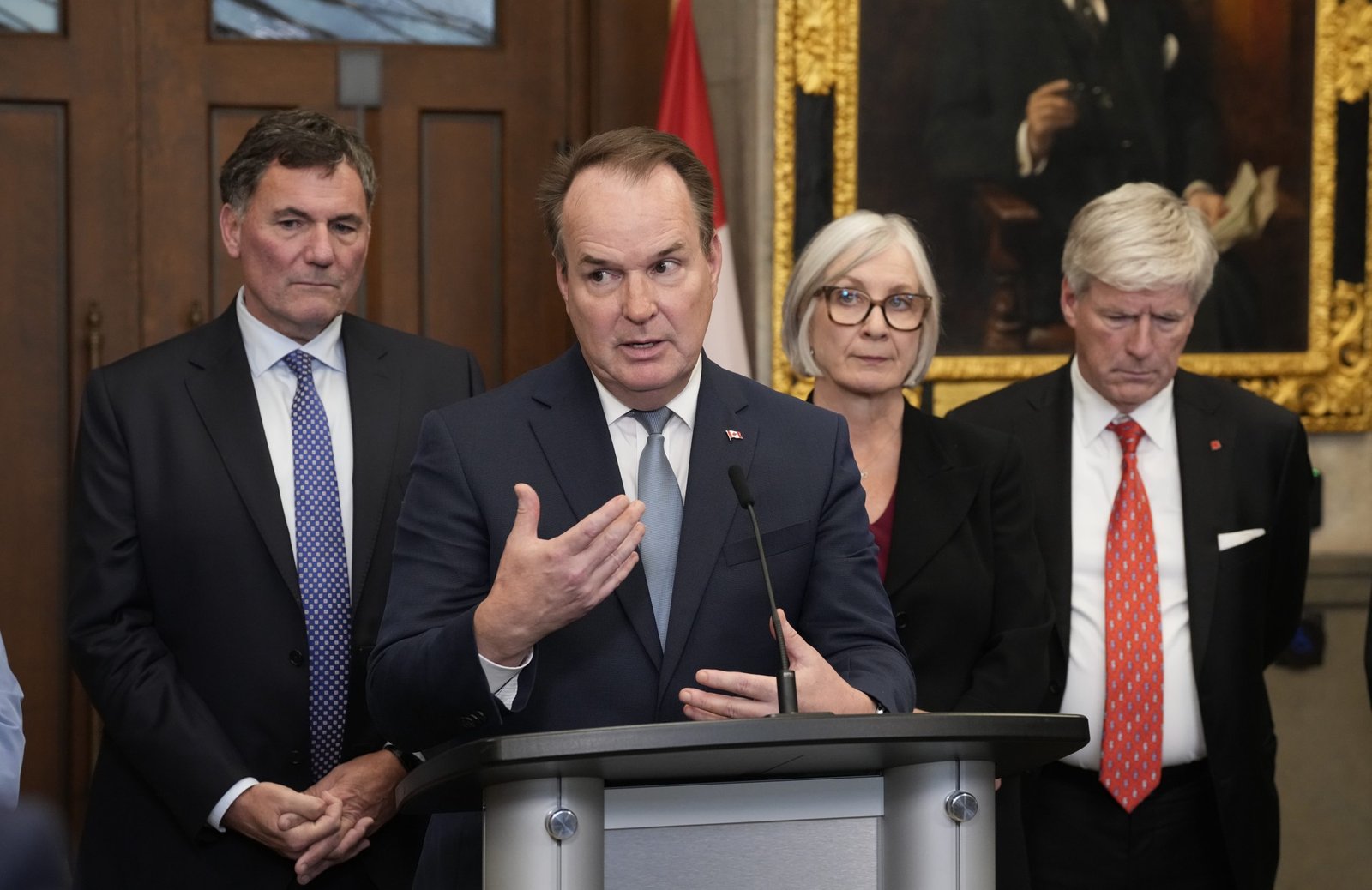
In a major expansion of the contested Building Canada Act, the Carney government proposes extending its regulatory shortcut (one conditions document per project instead of multiple permits) to every project within a designated area.
The federal government is proposing to create “regions of national interest,” where all projects located within these zones could benefit from powers under the Building Canada Act.
This would let Ottawa issue a single conditions document instead of separate permits from multiple departments, letting projects bypass individual reviews under existing laws such as the Impact Assessment Act, the Fisheries Act and the Species at Risk Act.
Since the Building Canada Act became law in the summer of 2025, no project has yet obtained national interest status, though the West Coast oil pipeline, backed by Alberta and Ottawa, is poised to become the first as soon as next month.
The omnibus bill tabled by the Carney Liberals Monday, called the Building Canada Strong Act, proposes to expand the national interest powers to cover entire regions.
The proposed legislation does not define “national interest,” but borrows language from the Building Canada Act, under which cabinet “may” consider five factors: a project’s impact on Canada’s autonomy and security, its economic benefits, its likelihood of success, its advancement of Indigenous peoples’ interests, and its contribution to climate goals.
In a technical briefing for reporters, officials described the proposal as more of a land-use planning approach, where entire regions are assessed to determine which zones are suitable for development and which aren’t.
But unlike regional assessments carried out under the Impact Assessment Act, which are meant to inform future project-specific assessments and decisions, this proposed law would offer a regulatory shortcut to all projects located within a zone.
The federal government initially floated this idea last May in a discussion paper, calling the concept “special economic zones,” the same term used by Ontario in Bill 5. That measure was first pitched as a way to develop the Ring of Fire, but was later applied, unsuccessfully, to the Billy Bishop Airport expansion.
It is unclear what projects will be eligible for fast-tracking in federal regions of national interest, with one government official suggesting it could apply broadly. It is also unclear what role provinces will have in the creation of these zones, and what would happen if a provincial government opposed it, or if the zone involved multiple provinces and territories.
Other notable changes in the Building Canada Strong Act include reduced timelines for reviews of large pipeline projects by the Canada Energy Regulator, from 450 to 300 days.
The bill also proposes to run the assessment and permitting processes at the same time. It states the goal of achieving project approvals within a year, although that is not a binding timeline.
It also pitches having the Canadian Nuclear Safety Commission carry out impact assessment reviews of nuclear projects, taking over that responsibility from the Impact Assessment Agency of Canada, while still keeping those projects subject to the assessment requirements under the Impact Assessment Act.
READ MORE: Feds propose major overhaul of project assessment process
Finally, it moves ahead with a proposal to create a Crown Consultation Hub, a new office within the Impact Assessment Agency of Canada that would act as a single window for engaging with First Nations, Inuit and Métis communities on major projects. It is also unclear how the fast-tracked timelines for project approvals would work with the duty to consult rights holders, which may take much longer.
The changes being proposed in this bill are essentially identical to the overhaul of project review proposed by the Carney Liberals in a discussion paper last May, save for a controversial change to the Species at Risk Act that garnered a lot of opposition during consultations this summer.
READ MORE: Public pressure pushed federal project review reforms to fall sitting
NDP Leader Avi Lewis told reporters Monday that his Liberal colleagues’ “doubling down” on the powers of Building Canada Act is a “risky, dangerous approach that will guarantee more conflict around major projects, not less.”