dailynewsnblog
As the resident “phone guy” in my household, I’m often asked whether discounted phone and internet bundles are legit — and if so, if they’re worth it. The skepticism is understandable, as we live in a society dominated by subscription services and fine print, often begging the question: “What’s the catch?”
With regards to internet and phone bundling, it’s not as bad as it seems. Carriers such as T-Mobile and Verizon rely on bundling to drive customer retention, increase average revenue per customer and, ultimately, monetize their 5G and fiber infrastructure. In layman’s terms, mobile carriers are willing to give you a discount in exchange for your loyalty.
The commitment to multiple service lines is typically rewarded with monthly deductions, free access to streaming services, waived installation fees and more. Whether that’s all worth it depends on how much you value those benefits, your household’s internet needs and whether you can shoulder the not-so-obvious drawbacks.
If you’re on the fence about bundling, here’s a breakdown of the key benefits and limitations, who should consider it and how to estimate the yearly costs before you commit.
This article was made possible in part by T-Mobile. It was written and edited independently without partner oversight.
The advantages of bundling your phone plan and internet service
- Unified billing and management: The most obvious benefit of bundling your phone and internet services is the ease of billing and management. Instead of tracking two separate statements every month, you only have to manage and budget for one.
- Streamlined customer support: Carriers often have customer service representatives who specifically support those on bundled plans, eliminating the need to contact separate departments for phone and internet solutions.
- Monthly discounts and perks: Committing to two major service plans often comes with lower monthly costs, with services from AT&T, for example, offering $10-$30 in savings each month. Carriers will typically throw in other bonuses, such as free streaming service subscriptions, in-flight Wi-Fi, international data and more.
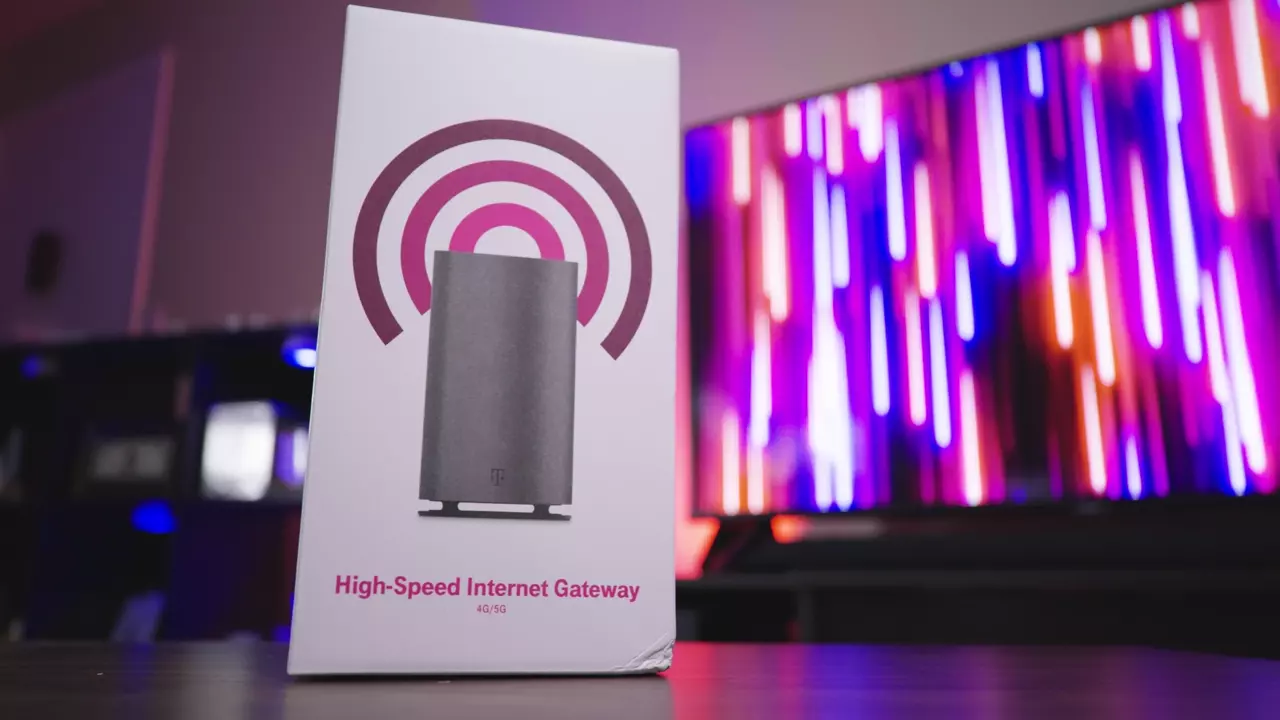
- Simplified equipment and onboarding: The process of setting up 5G fixed-wireless home internet is very straightforward: You just plug in the gateway device, which is either mailed to you or picked up at a local store.
The drawbacks and potential trade-offs of bundling
- Reduced switching flexibility: The ability to change your bundled plan is typically limited. For example, if you decide to switch or port either plan to a different option, it may increase the standalone cost of the remaining service. Carriers also set equipment installment plans (referred to as EIPs in statements) or multi-year promotional terms that require you to maintain your bundled payments for a set period — incurring fees if you don’t.
- Performance compromises: Bundled home internet services are mainly based on 5G Fixed Wireless Access or fiber, both of which share localized towers with cellular traffic. That means during peak hours, when bandwidth is prioritized for phone data, internet speeds may slow due to congestion.
- The price creep: The nature of bundle contracts means that over time, the discounted price you were initially offered may change or phase out. So it’s important to keep track of any price adjustments, as failure to pay accounts on time may put you at risk of late fees.
How to decide if a bundle fits your household
You should start by auditing your household’s internet needs to determine whether the limited bandwidth of bundling is a concern. Ask yourself: Would I consider my home in high or moderate demand for internet data?
High demand implies that you require low latency and minimal throttling most of the time, and likely faster internet speeds than what a standard bundle provides. Some examples include remote workers who need to manage large-scale services and communications, gamers who play online or stream, content creators who download and upload 4K footage and my parents, who own a few too many RGB smart lights at home.
Moderate demand is reserved for more standard, downstream applications, in which a 5G Fixed Wireless bundle may serve well enough. Examples of moderate use cases include standard TV or web streaming, hybrid workers who occasionally take video calls and single-player gaming.
Tip: Most home internet service providers offer a contract-free trial for testing before you port over. Consider testing it during peak hours to see if the bandwidth is enough for your home.
Deciding whether you should bundle your phone and internet plans also comes down to your budget and how significant the monthly cash savings are to you. You can calculate the estimated two-year total cost of ownership (or TCO) for a bundle and standalone services using the following equation, then compare them to determine the most reasonable plan.
Two-year TCO = (Year 1 monthly rate x 12) + (Year 2 monthly rate x 12) + fees

See full bio