dailynewsnblog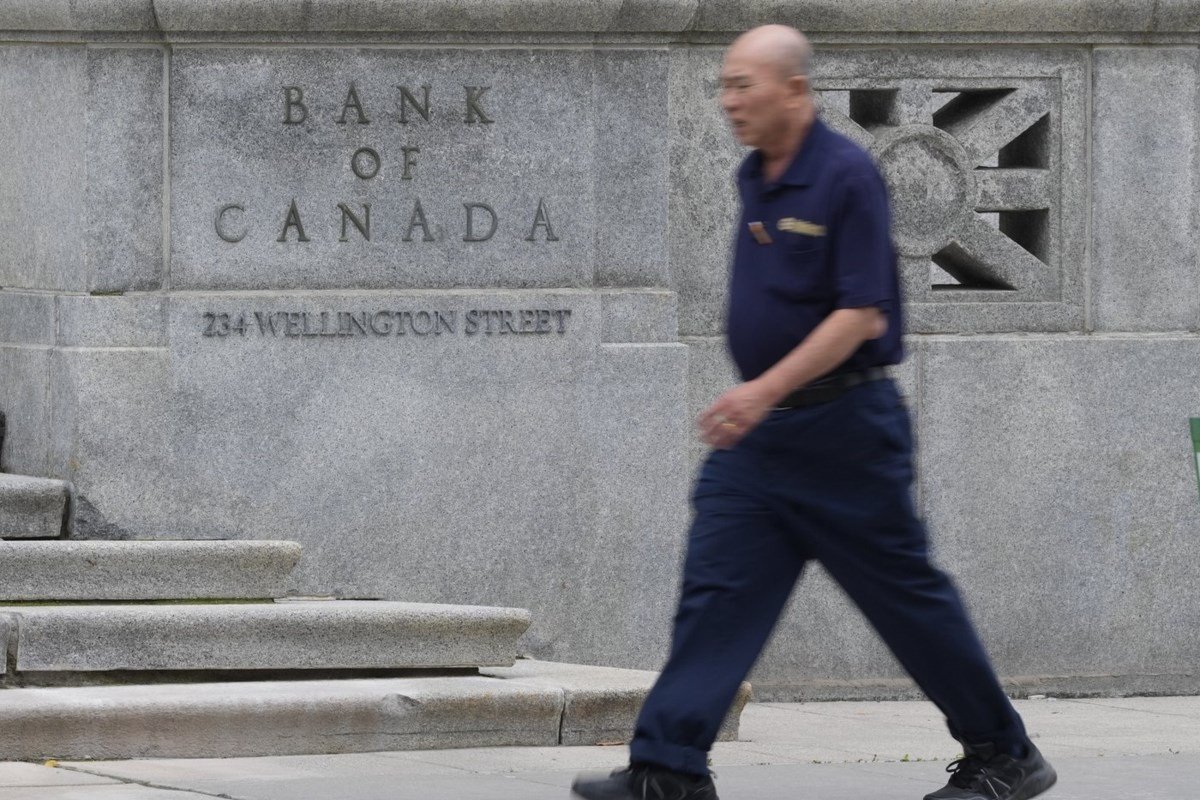

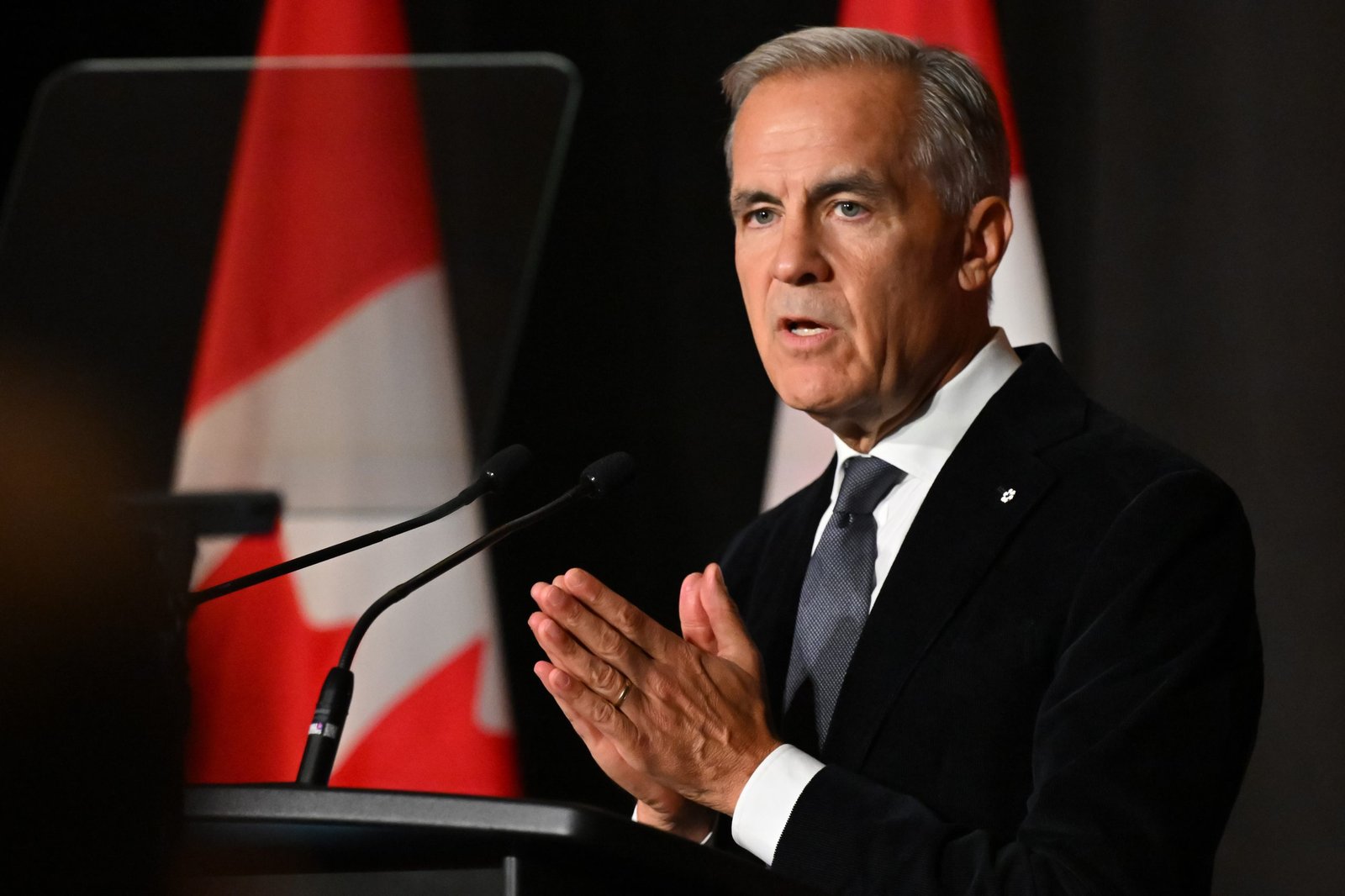
HALIFAX — The unpredictability of U.S. trade policy has heightened uncertainty for businesses and could set back the recent progress of the Canadian economy, the Bank of Canada governor said Monday.
HALIFAX — The unpredictability of U.S. trade policy has heightened uncertainty for businesses and could set back the recent progress of the Canadian economy, the Bank of Canada governor said Monday.
In prepared remarks for a speech to the Halifax Partnership, Tiff Macklem said that businesses had spent the last year adapting to higher tariffs and that growth had resumed.
But that was before the latest escalation in the trade war with the United States. After trade talks with the country broke, the president imposed 50 per cent tariffs on an array of Canadian goods, moved to ban some Canadian imports outright and signed an executive order to rename Lake Ontario as Lake America.
“The unpredictability of U.S. trade policy has increased uncertainty for everyone,” Macklem said.
“The latest escalation could once again cause businesses to delay investment and hiring decisions — pushing some businesses back to the reassessment stage.
The Canadian economy grew 3.3 per cent on an annualized basis in the second quarter, the fastest quarterly pace of growth since early 2023.
Trump’s latest tariffs affect nearly $28 billion worth of Canadian goods. Macklem said if the new U.S. tariffs remain in place, the rate of growth for the economy could be roughly halved in the fourth quarter to below one per cent.
Macklem said it isn’t going to be easy, but the economy is showing resilience.
“This isn’t going away any time soon, but people are getting on with it. People are figuring out how to move forward,” he said during a news conference after his speech.
The trade challenges come as Macklem says the war in the Middle East continues to push oil and gasoline prices higher.
“Back in July, when we released our monetary policy report, the conflict was expected to ease and supply disruptions to gradually normalize. Instead, key shipping routes remain disrupted and refineries have been damaged,” Macklem said.
He added that as things stand now, if oil prices stay near US$100 per barrel, the central bank would expect inflation to edge up in the coming months.
Statistics Canada reported the annual inflation rate was at three per cent in August, matching the mark set in July and putting it at the top end of the central bank’s target range.
The Bank of Canada kept its key interest rate on hold earlier this month at 2.25 per cent, but financial markets have shifted in recent weeks to expect the central bank to move to raise interest rates sooner rather than later.
Macklem says the bank has been looking through the direct impact of higher oil prices on inflation so far, assuming the effects will be temporary, but the risk that it becomes more persistent has increased.
“The real issue is the longer inflation stays high, the longer those gasoline and diesel prices are high, the less ability businesses have to absorb that and the increased likelihood that that gets passed on,” he said.
“So that’s something we’re watching very closely.”
This report by The Canadian Press was first published Sept. 21, 2026.
— By Craig Wong in Ottawa.
The Canadian Press