dailynewsnblog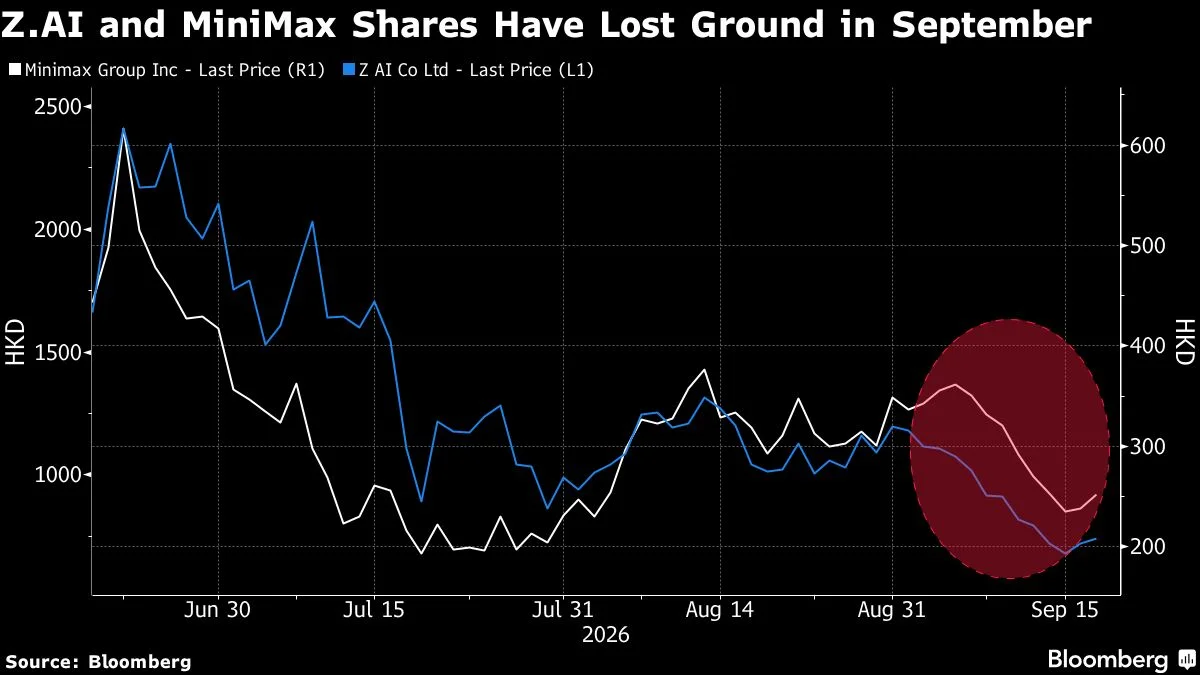
(Bloomberg) — Artificial intelligence, a lingering trade war and the yuan will likely dominate the agenda of the upcoming US-China summit, with focus on whether the two nations can reach concessions or put guardrails around key areas of competition, analysts say.
Most Read from Bloomberg
For now, markets are sending mixed signals about the outcome of next week’s meeting between US President Donald Trump and his Chinese counterpart Xi Jinping.
Indicating cautious optimism, a Goldman Sachs Group Inc. survey shows 46% of offshore and 38% of onshore investors expect Chinese stocks to rise after the talks. Only a small minority foresees losses. Meanwhile, overseas exchange-traded fund flows and options positioning suggest foreign investors remain wary ahead of the summit, according to Tony Lee, JPMorgan Chase & Co.’s equity-derivatives strategist.
AI is widely expected to be a central topic as the technology race turns increasingly heated, with access to advanced US chips, safety standards and disputes over the pace of the industry’s development among key points of contention. The fate of a soon-to-expire one-year tariff truce, Beijing’s export curbs on rare earths, as well as the value of China’s currency may also be in the spotlight.
Here’s a closer look at what investors are watching ahead of the event:
Artificial Intelligence
The two countries’ tech rivalry has become more intense lately, with Beijing criticizing calls among leading US industry executives to slow AI development and impose tighter curbs on Chinese model makers as fearmongering and confrontation.
It risks weighing further on Chinese AI firms from Z.AI Co. and MiniMax Group Inc., whose stocks have been under pressure in recent months due to fierce competition and concerns over cash burn.
“Ultimately, both leaders know that AI is critical for national security, so neither is likely to slow its efforts and each will seek to undermine the other,” said Vey-Sern Ling, a managing director at Union Bancaire Privée. “Any loosening of semiconductor restrictions will be positive for both countries, especially for Nvidia, and China’s large language model developers such as Alibaba, Tencent and Zhipu.”