dailynewsnblog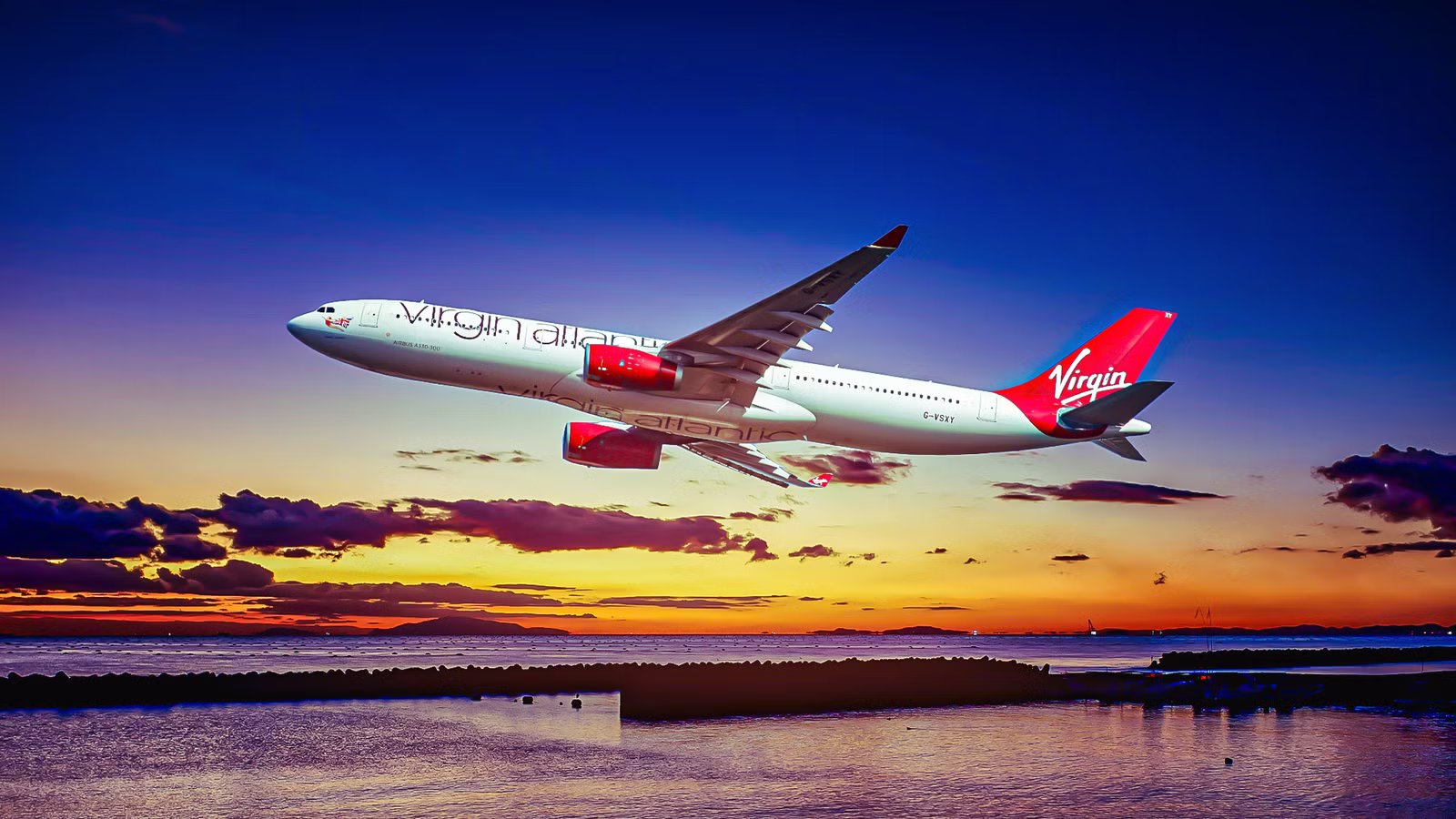
Virgin Atlantic is pulling its remaining Airbus A330-300 aircraft from service ahead of the original timetable, with most of the airframes bound for Scandinavian carrier  SAS. The British operator will remove the type earlier than planned, with five units set to depart, in a transfer that follows a separate arrangement sending two Boeing 787-9s to LOT Polish Airlines in 2027.
The decision closes out a phase-out that Virgin Atlantic announced two years ago as part of a broader capital program. The carrier said it would begin gradually retiring the A330-300 from September 2024 and operate a mixed fleet of 45 next-generation aircraft by 2028. What has changed since then is not the plan, but the pace. Much of that is a result of another airline being willing to take the jets intact before they were sent to a scrapyard.
Five Airframes Find A Second Operator In Scandinavia

SAS is in an unusual position, as it has committed to a large widebody order but cannot wait for the deliveries. The Scandinavian airline currently flies six Airbus A350-900s, eight A330-300s and three Airbus A321LRs on long-haul routes. Chief Commercial Officer Paul Verhagen told Aviation Week in June that “long-haul absolutely needs to grow,” noting that only around 15 of its 140 aircraft serve those markets. The same report confirmed that SAS will absorb the five former Virgin Atlantic A330-300s next summer to build up widebody capacity faster, alongside a firm order for 18 Airbus A330neos that will eventually replace the current-generation fleet.
Current Virgin Atlantic A330 Fleet | ||
|---|---|---|
Aircraft | Number in Service | Average Age |
A330-300 | 6 | 14.9 years |
A330-900 | 8 | 2.9 years |
That timing matters. Taking used current-engine aircraft gives SAS a secured capacity increase before the new-build jets arrive, and reduces exposure to any slippage in Airbus handover dates. Because SAS already operates the variant, the additions require no new type rating, no fresh maintenance program and minimal integration costs. For Virgin Atlantic, the arrangement converts an aging asset into a clean exit rather than a write-down.
The Order Book Had Already Sealed The Type’s Fate

The commercial logic behind the withdrawal was fixed well before SAS entered the picture. Virgin Atlantic placed a follow-on order for seven A330-900s in July 2024, scheduled for delivery from 2027 and purchased outright from Airbus, building on the 2019 commitment that made it the first UK customer for the type. That took its total A330neo commitment to 19 aircraft, with the manufacturer positioning the model as 13% more fuel and carbon efficient than the jets it displaces.
Some of the A330-300s being displaced entered service more than 15 years ago. As of September 2026, the A330-300 sub-fleet is the oldest Virgin Atlantic sub-fleet by average age, surpassing the next oldest sub-fleet—the Boeing 787 Dreamliner—by nearly five years. Six A330-300s are still in service, configured with 264 seats across three cabins, against 11 A330-900s on order. Improved A330neo availability has also let the airline absorb flying previously assigned to the 787-9, enabling the release of some Dreamliners as well.
Fewer Seats Per Aircraft, Aimed At Higher Yield

The replacement aircraft will not simply match what leaves. Incoming A330neos are configured for 232 passengers rather than the 262 on earlier examples, with Upper Class expanding from 32 seats to 48 and Premium rising from 46 to 56, while Economy contracts from 184 to 128. Six Retreat Suites will feature in the forward cabin, four more than the original layout.
The tradeoff is deliberate, and ultimately in line with airline industry trends. Virgin Atlantic is reducing volume per departure while lifting the share of high-fare inventory, a bet that relies on transatlantic premium demand to remain a stronger business case than economy density. It also explains why holding onto the older jets carries little upside. Retrofitting the cabins to the new standard would require a large capital investment, and every month they remain drags on fleet-wide fuel performance. Sending them to an operator with an immediate capacity gap solves both problems at once.