dailynewsnblog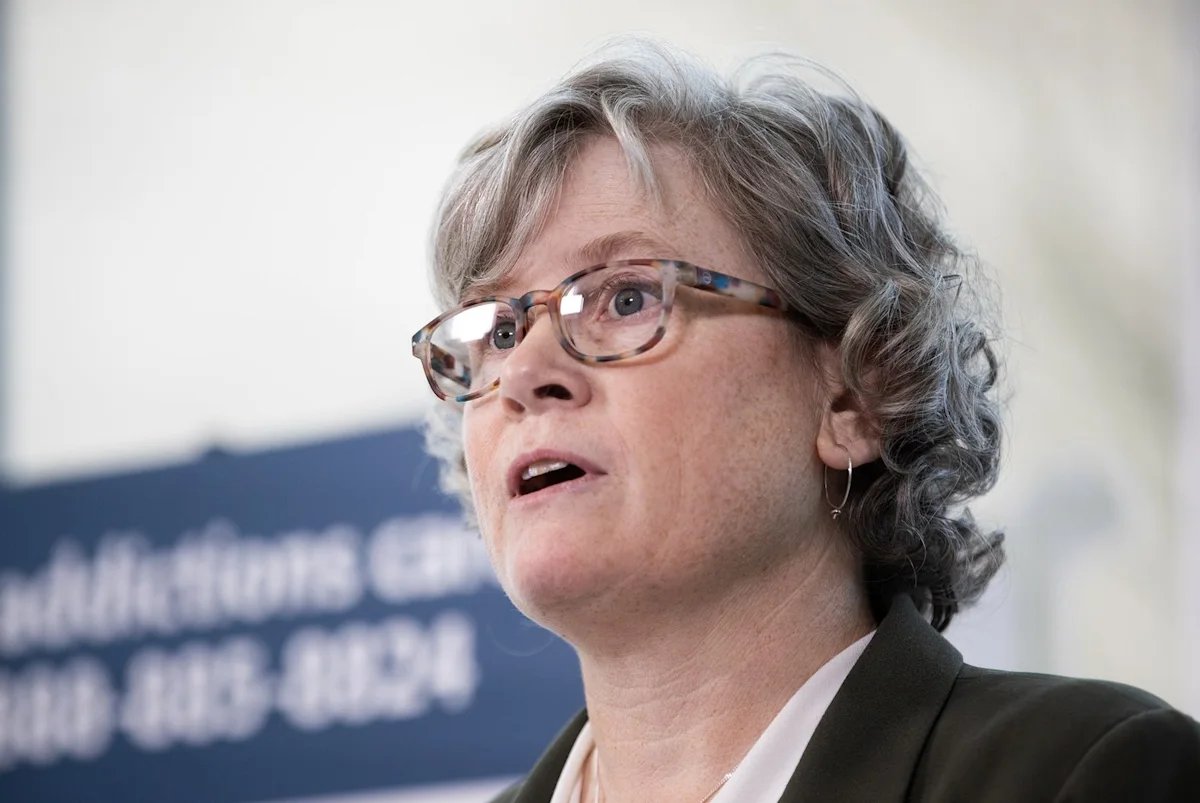

VICTORIA — The British Columbia deficit forecast has grown by $450 million to a record-setting $13.8 billion, largely because of a “calculation error” on natural gas royalties, in a situation one critic describes as a state of “fiscal crisis.”
Finance Minister Josie Osborne, who just took over the finance portfolio last month, released the first quarterly report Monday that shows almost $800 million more in revenue, but spending is also up.
The added revenue comes from income and sales taxes, but wildfire fighting costs are projected to be $614 million more.
“If we backed out the 614 million extra dollars for wildfire recovery, (if) we had a different wildfire season, then we would have seen a different number for the final deficit,” she said. “But of course, British Columbians will always expect us, and we will always be there, to defend them and their properties in the time of wildfire.”
The minister said refundable tax credits for business and renters also rose by $458 million.
What fell by $531 million were projected royalties from natural gas. The Ministry of Finance said the lower forecast reflects lower prices, but also a $306 million error from the price forecast in Budget 2026, which the government earlier called a “serious mistake” in the calculation of the natural gas price.
Osborne said steps are underway to ensure that mistake will never happen again.
“(I) don’t want in any way to diminish the seriousness of this,” she said.
British Columbians need to have trust and confidence in the numbers that are before them, Osborne added.
Peter Milobar, the former finance critic for the B.C. Conservatives and interim leader of a new break-away party, told reporters in Vancouver that the figures clearly demonstrate that government has no control over the provincial finances.
“It, very much, points to a province in a fiscal crisis, and the changing of the finance minister really won’t help that any,” he said.
Osborne replaced Brenda Bailey after she was diagnosed with an early-stage cancer.
Milobar said there is a path toward balancing the budget, but it would require meaningful and serious private-sector growth and development.
“It means the government has to not just talk about trying to attract large projects and get the private sector economy going, but they actually, truly need to get out of the way.”
B.C. Conservative finance critic Gavin Dew said in a statement that the fiscal update shows the NDP government has a spending and math problem.
“The government is collecting more tax revenue and still can’t keep the books under control,” he said.