dailynewsnblog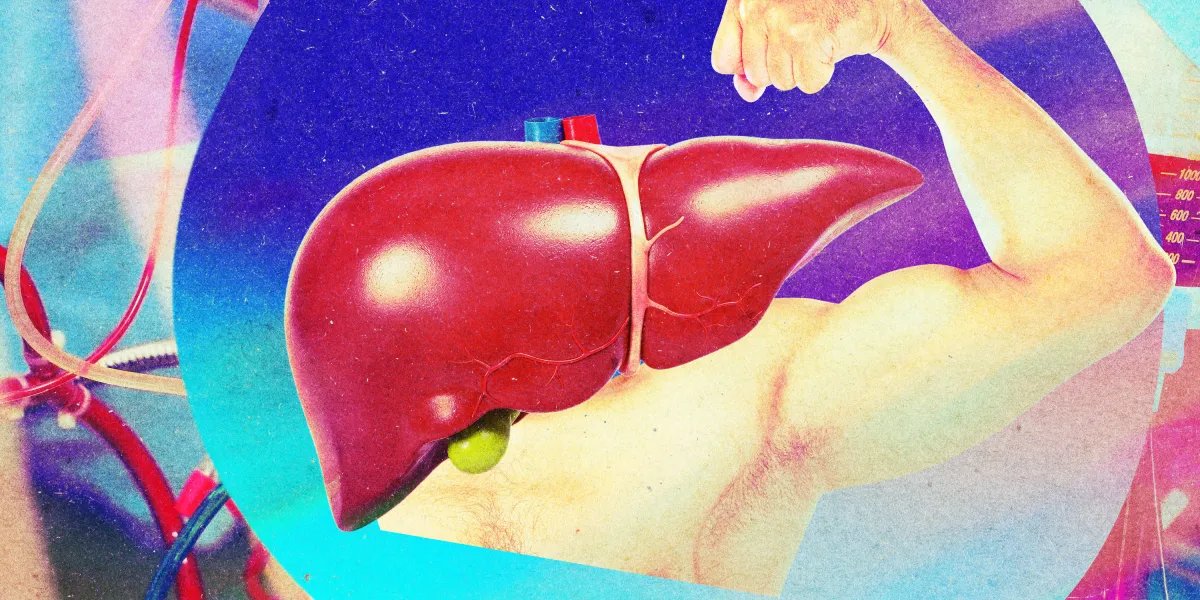
According to the clocks, which were developed to measure age and risk of death, the machine-perfused livers were biologically younger, the team found. “Pumping them at 34 degrees with oxygen and nutrients actually reversed the biological age,” says Longchamp. The results have been been shared with colleagues at an industry conference, he says.
“If you adjust out chronological age … to have a fair head-to-head comparison, the difference between the two is on the order of 30%,” says Poganik. “It’s logical to say that perfusion drives this effect.”
The biological ages of all the livers tended to increase as soon as they were put into a recipient’s body, probably as a result of stresses on the organs. But still, the effect endured—the perfused organs remained biologically younger.
Nathanael Raschzok, a transplant surgeon at Charité Universitätsmedizin Berlin in Germany who was not involved in the research, says the work is impressive. But it’s not yet clear what these changes might mean for the recipients of these organs, he says. The organs in the study were donated by people in their 30s, 40s, and 50s. Raschzok wants to know the effect of perfusion on the liver of an 80-year-old. “Every so often, we use organs from 70-, 80-, 85-year-old donors,” he says.
A better understanding of why the organs appear to be getting biologically younger might lead to therapies that achieve the same effect with a drug that could potentially be used to treat a donated organ for a fraction of the price, he adds. That’s important because perfusion is expensive—Raschzok says it costs around €10,000 in Germany (a quarter of the budget for a transplant), while the cost in the US comes to around $80,000 to $100,000 per organ, says Yeh.
Molecular repair
Yeh and her colleagues weren’t able to study most of the livers before perfusion. That’s because donated organs are generally not considered to be under the purview of the hospital until they’ve been placed on perfusion machines, she says. (Organ procurement procedures vary, but for the team as Mass General Brigham, donated organs are put on perfusion devices at the donor’s hospital. “There’s this sort of nebulous period where it’s not clear who the organ belongs to,” says Yeh.)