dailynewsnblog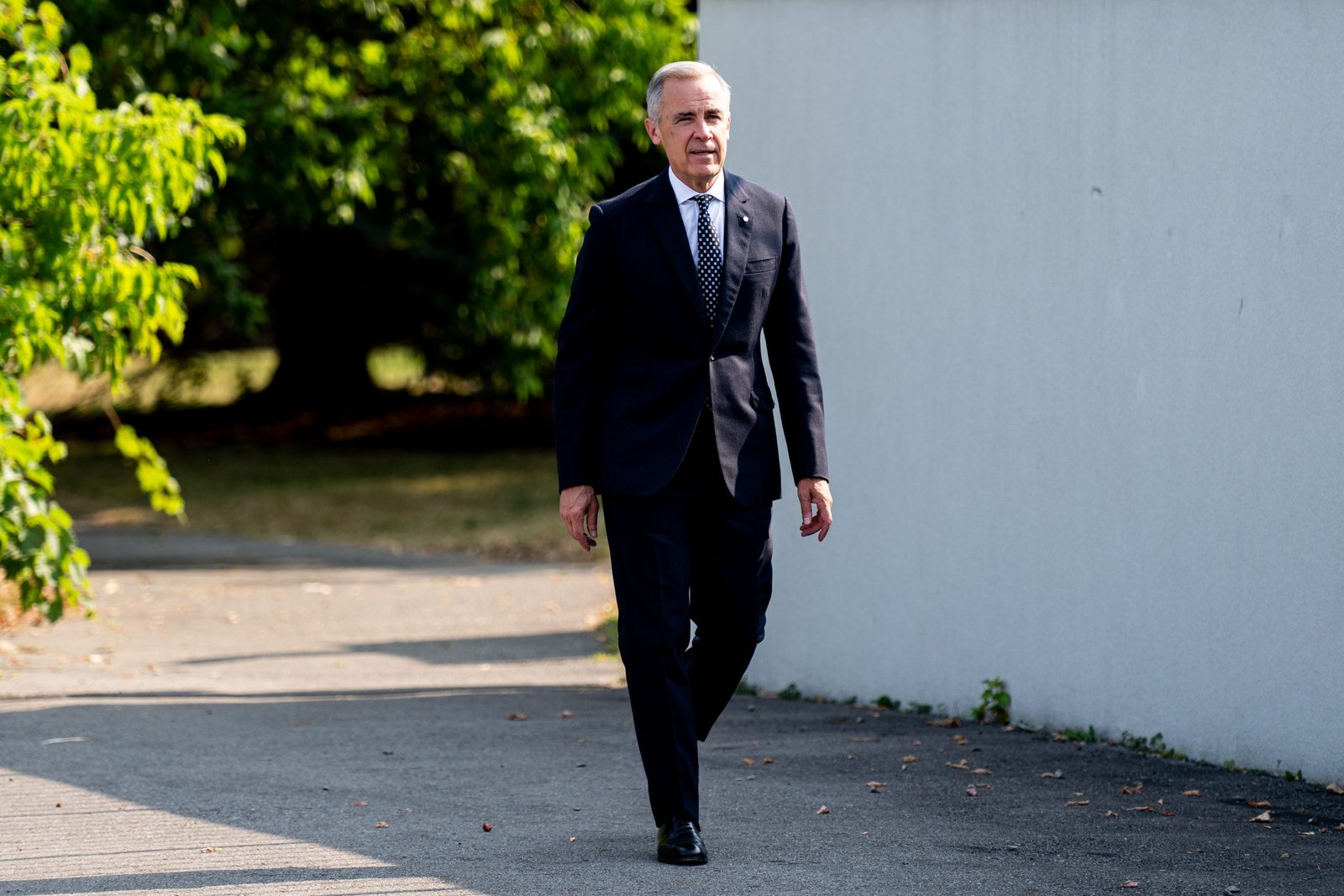
Canada’s $1-trillion ambition can build more than infrastructure. It can build a new generation of Indigenous owners, investors and developers.
Canada is preparing to build big again. The question is whether we are also prepared to build wealth differently.
The federal government has set an ambitious goal: catalyze $1 trillion in investment over the next five years. Speculation is that much of that capital will go to critical minerals, clean and conventional energy, electricity, transmission, ports, transportation infrastructure, advanced manufacturing, and other strategic industries.
Prime Minister Mark Carney has pointed to the extraordinary financial firepower Canada is trying to attract. Investors attending the Canada Investment Summit collectively manage more than $100 trillion in assets.
But another pool of capital belongs in this conversation.
Indigenous capital.
A remarkable proportion of the mines, transmission lines, hydro projects, LNG facilities, ports and transportation corridors Canada wants to build will be located on, through or adjacent to Indigenous traditional territories and treaty lands.
That means Canada’s nation-building strategy is also, whether governments acknowledge it or not, an Indigenous economic strategy.
For decades, the Indigenous economic conversation around major projects focused largely on jobs, training, procurement and impact benefit agreements. Those remain important. But they are largely about participating in somebody else’s project.
Ownership is different.
Ownership creates an asset. It creates recurring revenues, strengthens the balance sheet, and gives communities capital they can reinvest in housing, infrastructure, businesses, and the next generation of investments. It moves Indigenous Nations from project participants to investors, owners and, increasingly, developers.
We already know this model works. Twenty-three First Nations and Métis communities invested $1.12 billion in Enbridge assets through Athabasca Indigenous Investments. Haisla Nation owns 50.1 per cent of the $5.9-billion Cedar LNG project. And seven Williams Treaties First Nations are being supported by approximately $715 million in federal and Ontario loan guarantees to acquire a significant minority interest in the Darlington New Nuclear Project.
These are not side stories to Canada’s investment agenda. They are a model for it.
The federal government deserves credit for recognizing one of the biggest barriers: access to affordable capital. Its Indigenous Loan Guarantee Program has been expanded to $10 billion and across virtually every sector.
But now put two numbers side by side: $1 trillion. $10 billion. The second number is just one per cent of the first.
They are not directly equivalent pools of capital. A loan guarantee is not an investment target, and not all $1 trillion will involve projects affecting Indigenous lands. But the comparison exposes the scale of the opportunity and the scale of the policy conversation we should be having.
Canada cannot credibly pursue a trillion-dollar nation-building strategy while treating Indigenous ownership as a $10-billion program sitting somewhere beside it. Canada needs an Indigenous capital strategy embedded inside its $1-trillion investment strategy.
That means bringing First Nations, Inuit and Métis development corporations, financial institutions and investment vehicles into the same rooms as pension funds, sovereign wealth funds, infrastructure funds and banks. It means identifying Indigenous equity opportunities when projects are first structured, not after financing, ownership and commercial arrangements have already been decided. And it means expanding guarantees and other financial tools as the national project pipeline grows.
Canada needs to bring together two pools of capital: enormous pools of global institutional capital looking for long-duration infrastructure investments, and growing pools of Indigenous capital looking for ownership opportunities in the economies being built on Indigenous lands.
Connecting them could become one of the most consequential economic-reconciliation opportunities in Canadian history because the next generation of nation-building can’t leave Indigenous Nations watching billions of dollars of capital pass through their territories.
In other words, Canada’s $1-trillion ambition can build more than infrastructure. It can build a new generation of Indigenous owners, investors and developers.
Michael Fox is CEO of Indigenous & Community Engagement Inc., and he’s a member of Weenusk First Nation.
The views, opinions and positions expressed by all iPolitics columnists and contributors are the author’s alone. They do not inherently or expressly reflect the views, opinions and/or positions of iPolitics.