dailynewsnblog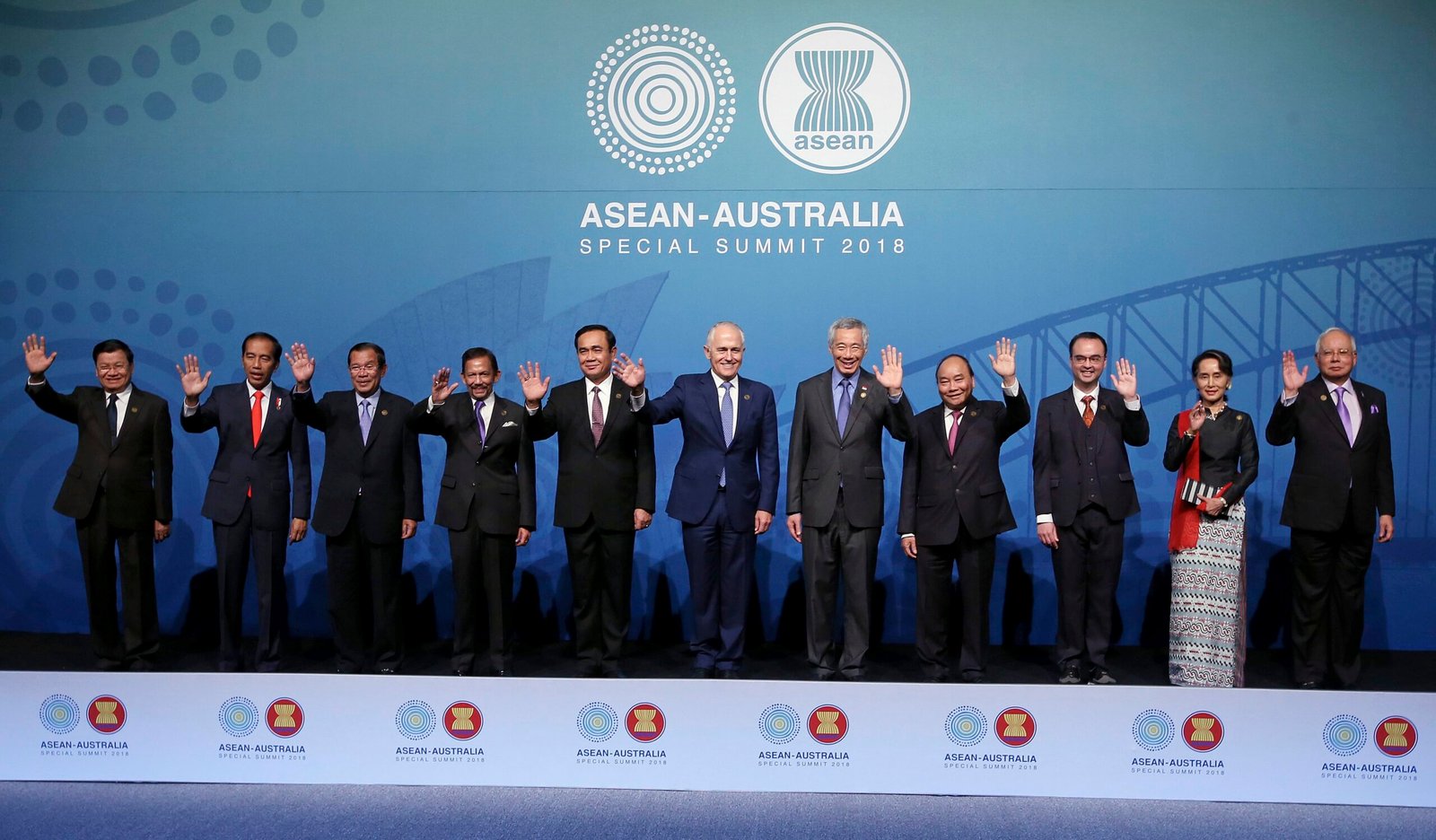
Canada has much of what ASEAN needs. ASEAN, in turn, offers Canada something we increasingly need: growth, diversification and long-term economic partners.
Next week, some of the world’s largest investors and most influential business leaders will come to Toronto for Prime Minister Mark Carney’s first-ever Investment Summit.
It comes at an important moment. Canada is looking to attract significantly more global capital while confronting an equally urgent challenge: diversifying our trade and economic relationships.
We need to do both.
Canada’s economic relationship with the United States will remain important. Geography, integrated supply chains and decades of investment between our two countries ensure that.
But recent events have also reinforced something Canadian businesses have understood for some time: economic concentration carries risk. Canada needs more customers, more sources of investment and more commercial relationships in the fastest-growing parts of the world.
That is why Southeast Asia must be a key part of Canada’s diversification strategy.
ASEAN and Canada are both navigating the United States and China’s trading and geopolitical winds. Our commonality of cause to diversify and band together has never been stronger.
The eleven countries of the Association of Southeast Asian Nations (ASEAN) represent nearly 700 million people and, taken together, an economy approaching $6 trillion. The region is one of the fastest-growing in the world, with a rapidly expanding middle class and rising demand across energy, food, infrastructure and technology. Four of the member states are already part of the Comprehensive and Progressive Trans Pacific Partnership, to which Canada is a member.
Canada has much of what ASEAN needs. ASEAN, in turn, offers Canada something we increasingly need: growth, diversification and long-term economic partners.
Canada–ASEAN trade reached more than $52 billion in 2025, an increase of almost 24 per cent in a single year. ASEAN is now collectively Canada’s fifth-largest merchandise trading partner. But those numbers still understate the potential of the relationship.
Carney has set a goal of concluding negotiations on a Canada–ASEAN Free Trade Agreement by the end of this year. The Government of Canada estimates that an agreement could add nearly $2 billion to Canada’s GDP and create almost 14,000 Canadian jobs.
That makes concluding this agreement one of the most consequential trade opportunities available to Canada today.
An agreement would give Canadian companies improved access to one of the world’s largest and fastest-growing markets.And it would strengthen Canada’s position in a fast-growing region.
But signing trade agreements is only part of the job.
Anyone who has done business in Southeast Asia understands that relationships matter. Market access on paper does not automatically translate into customers, investment or commercial partnerships. Those outcomes are built over time — between companies, investors and people.
This is where Canadian business has an opportunity to lead alongside government.
On Sept. 14, on the margins of Carney’s Canada Investment Summit, the Canada-ASEAN Business Council will convene senior leaders from some of Canada’s leading companies to focus on expanding trade and investment with Southeast Asia.
The timing is deliberate.
As global investors gather in Toronto to consider the opportunities Canada offers, we should also be asking where Canadian companies will find their next customers, partners and growth markets.
CABC has a unique role to play. It is the only Canadian organization officially accredited by ASEAN, giving Canadian business a direct and established platform for engagement across the region.
CABC is also establishing a CEO Advisory Forum, chaired by former Canadian international trade minister Mary Ng, to bring senior Canadian and ASEAN business leaders together to tackle the opportunities and barriers on both sides.
There is enormous complementarity to build upon.
Canada is a global leader in energy, critical minerals, agriculture and agri-food, artificial intelligence, advanced technologies and financial services. ASEAN economies are investing heavily in energy security and the energy transition, digital infrastructure, advanced manufacturing, and food security.
The region is also central to global supply chains — Singapore is a major financial and technology hub, and the Philippines, this year’s ASEAN Chair, is driving the push to conclude the agreement.
These are not markets Canada should be discovering ten years from now. They are markets in which Canadian companies should be building relationships today.
Canada has already made important progress. Our relationship with ASEAN has been elevated to a Strategic Partnership and Canada has expanded its commercial presence across the region.
We should seize the moment and convert that political momentum into commercial momentum.
That means sustained engagement by Canadian ministers and officials across Southeast Asia. It means Canadian companies putting people and resources into the region, with the fortitude and patience to make it work. And it means bringing ASEAN investors and business leaders to Canada, not simply waiting for them to find us.
The opportunity is already here.
Canada’s economic strategy for the next generation cannot be about choosing one market over another. It must be about building more options and strengthening the relationships we already have while deliberately creating new ones.
ASEAN offers Canada scale, growth and increasingly important supply chains. Canada offers ASEAN energy, resources, technology, food, capital and a trusted economic partner.
The Canada-ASEAN trade agreement is within reach.
Now business and government need to turn that opportunity into investment, partnerships and growth.
Wayne Farmer is chair of the Canada-ASEAN Business Council.
The views, opinions and positions expressed by all iPolitics columnists and contributors are the author’s alone. They do not inherently or expressly reflect the views, opinions and/or positions of iPolitics.