dailynewsnblog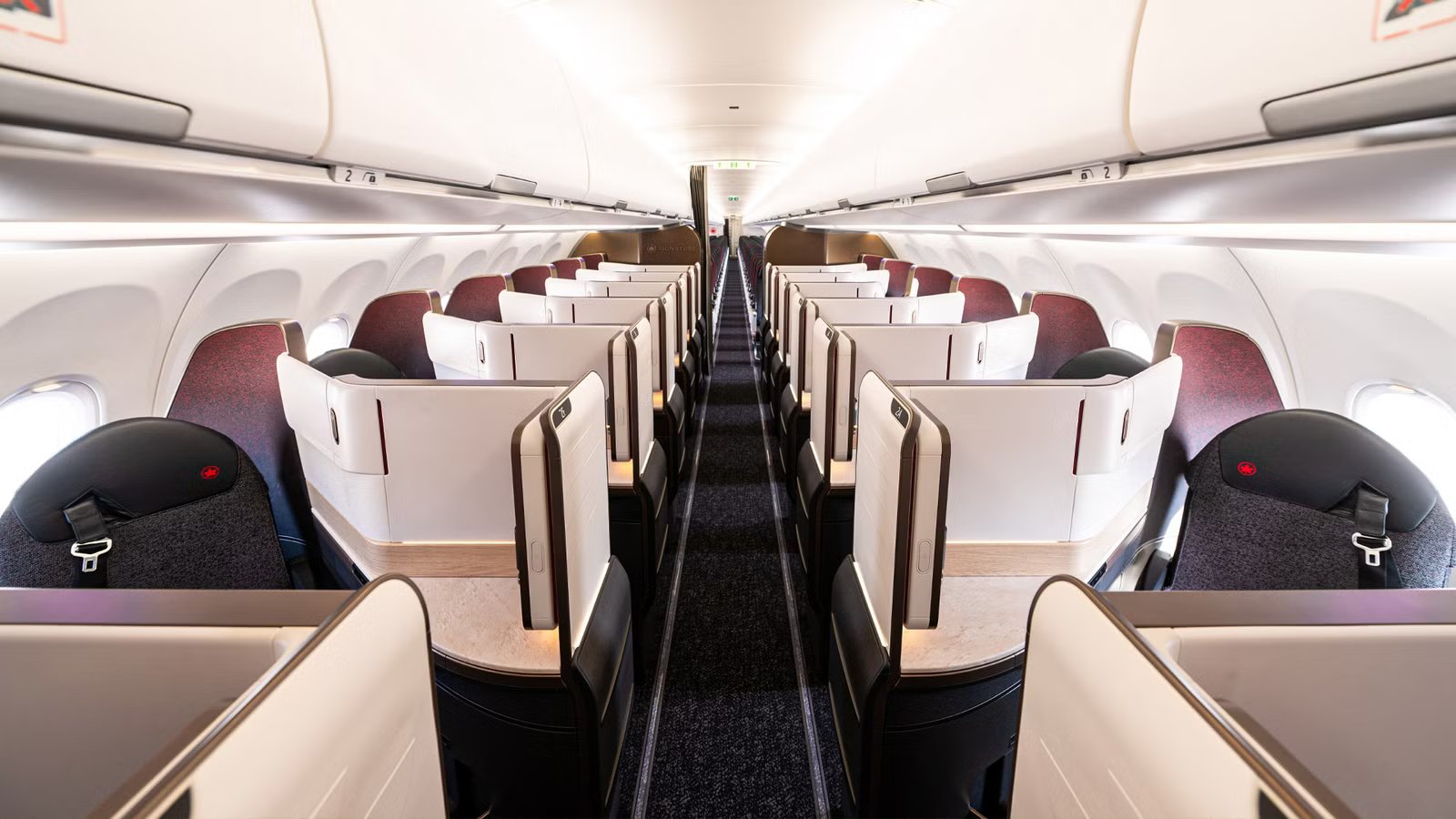
In July 2026,  Air Canada became yet another carrier that announced basic fares for premium cabins. These new business class basic and premium economy basic fares were introduced on July 28, and Air Canada is following the industry trend in unbundling its premium cabins. These include fewer benefits than the standard premium cabin tickets and are also less flexible, often restricting flight changes and refunds, along with reduced mileage earnings. Air Canada’s basic tickets, however, are a little different.
The airline’s restrictions are less punitive than some competing basic business tickets, but what is more noteworthy is that Aeroplan elite status benefits and credit card perks still apply for those eligible. They override the restrictions associated with basic tickets, which means that there’s very little difference between flying in basic business and buying up to the next highest fare class. Except, of course, the basic business ticket is cheaper, which makes it much more compelling for elite members and credit card holders than you’d think.
The Restrictions For Business Class Basic

Air Canada now sells basic fares for its premium economy and business class cabins, mirroring its basic economy tickets that were introduced in the past. Tickets are non-refundable, but they can be changed for a fee. Customers can select their seats, but for a fee, while carry-on bags are permitted. Basic tickets include one complimentary piece of checked luggage, and priority boarding and baggage are still included. These tickets still earn points, and business class basic tickets include access to the Maple Leaf Lounge, but not the Signature Suite.
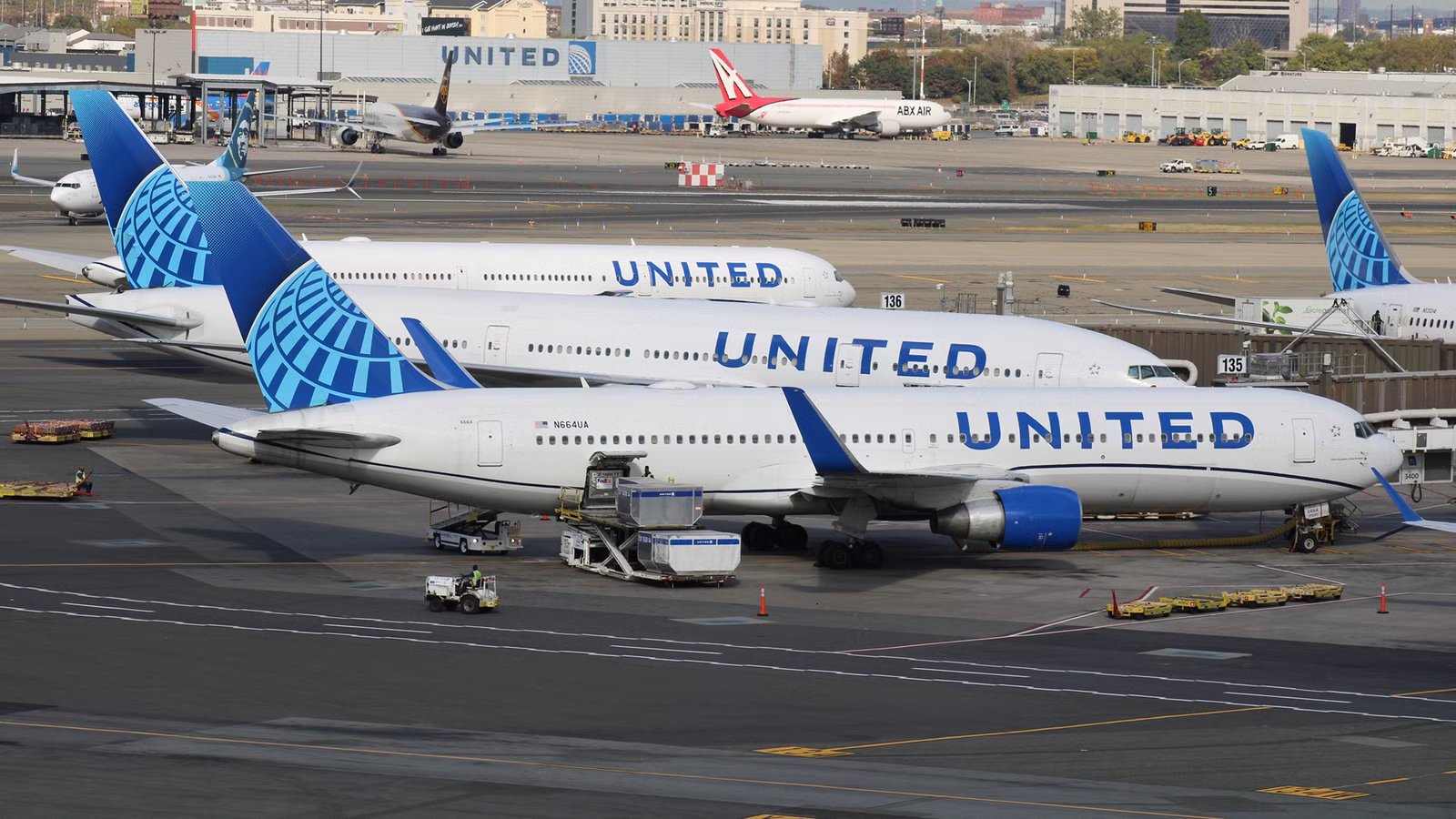
These restrictions actually aren’t that punitive compared to how other airlines have implemented basic business class. The primary reason why Air Canada is rolling out these fares, in addition to the general commercial benefits of price segmentation, is that these tickets are now also offered by  United Airlines and
  Lufthansa. Air Canada is part of a transatlantic joint venture with these two carriers, which means that the three coordinate prices and schedules as one entity. Air Canada is simply aligning its commercial strategy with its partners.
Air Canada now has three ticket types for its premium cabins, which are the Basic, Standard, and Latitude fares. The main differences between the three ticket types are change fees and eligibility for refunds. Mileage earnings are the same across all cabins, as are the earnings for Status Qualifying Credits (unusually generous for basic business class). But what makes this unusually appealing is that the few restrictions included with these fares are overridden by the benefits associated with elite status and top credit cards.
The Benefits Of Elite Aeroplan Status

Aeroplan includes five elite tiers, labeled as 25K, 35K, 50K, 75K, and Super Elite. Super Elite members can change their flights with no fee and receive a full refund if they cancel their tickets. All elite Aeroplan members can standby at the airport for free, while 50K, 75K, and Super Elite members are entitled to complimentary seat selection. 25K members receive an extra checked bag, while the remaining tiers include three complimentary bags. The tiers also offer point multipliers.
Even at the 25K level, there aren’t that many restrictions associated with basic business tickets. Meanwhile, the only restrictions associated with these tickets for Super Elite members are that they do not allow access to the Signature Suite and eUpgrades are not permitted (applicable for premium economy, but not business class). As such, basic business class is actually a much better deal for top elite members than you’d think, considering that new basic tickets are generally viewed as being poor value propositions for what they offer.
Aeroplan Elite Tiers | Required Status Qualifying Credits (SQCs) |
|---|---|
Aeroplan 25K Status | 25,000 SQCs |
Aeroplan 35K Status | 35,000 SQCs |
Aeroplan 50K Status | 50,000 SQCs |
Aeroplan 75K Status | 75,000 SQCs |
Aeroplan Super Elite Status | 125,000 SQCs |
This is something that is often overlooked when discussing new basic business fares, in that some restrictions don’t always apply to elite loyalty program members. United Airlines, for example, generally does not award miles for basic tickets, but makes an exception for Premier members. For Air Canada, meanwhile, top Aeroplan members are subject to very few restrictions with basic tickets, and the same is true for those holding Aeroplan co-branded credit cards, making basic a more compelling choice than you’d expect.
The Perks Of An Aeroplan Credit Card

Air Canada primarily partners with TD Bank and American Express for its credit cards, while offering multiple card options overall. The benefits increase with each card, and the perks override fare class restrictions. They include mileage earnings in specific categories, while the higher-tier credit cards include complimentary checked bags. Top credit card holders get Maple Leaf Lounge access and status qualification boosts. In essence, depending on what credit card you hold, basic business class tickets aren’t all that restrictive.
For someone generally booking basic business class, the restrictions can be difficult to deal with, and the process to figure out exactly what is permitted can be a headache. However, Aeroplan has millions of members, and these are the carrier’s most important customers. Ultimately, if you’re an Aeroplan member and primarily fly with Air Canada, then you’ve likely traveled enough to earn some sort of elite status, and if you’re an elite member, then it’s highly likely that you hold at least one co-branded Aeroplan credit card.
For most Aeroplan members, most restrictions on basic business class fares simply don’t apply, and those at the very top of the Aeroplan program are really only subject to one restriction: being prohibited from the Signature Suite. In addition, those booking premium economy basic are not eligible for eUpgrades, but this does not apply to business class tickets, as this is Air Canada’s highest cabin class. In essence, there isn’t much of a difference between basic fares and other ticket types for top Aeroplan members, other than the lower price.
The Controversy With Basic Business Class

Basic economy fares were pioneered by US airlines in the 2010s as a response to rapidly growing budget carriers like Spirit Airlines. The main idea was to price match competitors like Spirit by offering an unbundled fare. This became quite successful for the airline, and it turned out that while passengers did choose the legacy carriers over budget airlines in part because they now offered cheaper fares, many customers also chose to buy up to the more expensive fare.
As basic economy was rolled out across the airlines’ network, it began simply replacing what was previously just the standard fare class. Customers sometimes found themselves essentially paying the same money but getting less. This is the worry with basic premium tickets, in that they’ll replace standard fares while offering fewer benefits. In this case, Air Canada has specifically announced that the basic business and premium economy fares are meant to specifically slot underneath their existing ticket prices, but time will tell if this sticks.
Cabin Class | Air Canada Fare Types |
|---|---|
Economy | Basic, Standard, Flex, Comfort, Latitude |
Premium Economy | Basic, Standard, Latitude |
Business Class | Basic, Standard, Latitude |
Ultimately, basic cabin fares exist as a means to get customers in the door and then serve to upsell customers on more expensive tickets that earn the airline more money. Meanwhile, loyalty program members (the customers the airline cares most about) are still incentivized to buy up, but they are penalized less than other customers for choosing a basic ticket. While Air Canada’s policies stand as an extreme example, this is true for many airlines with basic fares to varying degrees.
The Increasing Importance Of Price Segmentation

The introduction of basic fares is the latest development of airline price segmentation strategies. Essentially, these practices are implemented to maximize an airline’s revenue per flight. Once the flight takes off, the airline cannot sell an empty seat, which means that it’s lost revenue. Therefore, to sell an empty seat, airlines charge different prices based on a passenger’s willingness to pay. This is reflected through different fare buckets, dynamic pricing, and fare types as well.
Airlines use several different fare buckets with different prices based on a calculation of demand at various points of time. The fare types, such as basic, standard, and flexible tickets, further segment customers by selling the same product but with differences in flexibility and price, expanding market appeal. Meanwhile, dynamic pricing allows airlines to fully implement these practices by releasing a certain number of tickets from specific fare buckets at different points in time.
Public reception to recent innovations in airline pricing strategies has been mixed, since people are increasingly paying different numbers for the same product. In addition, the point of price segmentation is to extract as much revenue as possible from each customer, or in other words, getting everyone to pay as high a price as possible. However, these strategies have allowed airlines to earn significantly more revenue than before and have become tremendously successful in markets like North America, making them a core part of modern airline commercial strategy.