dailynewsnblog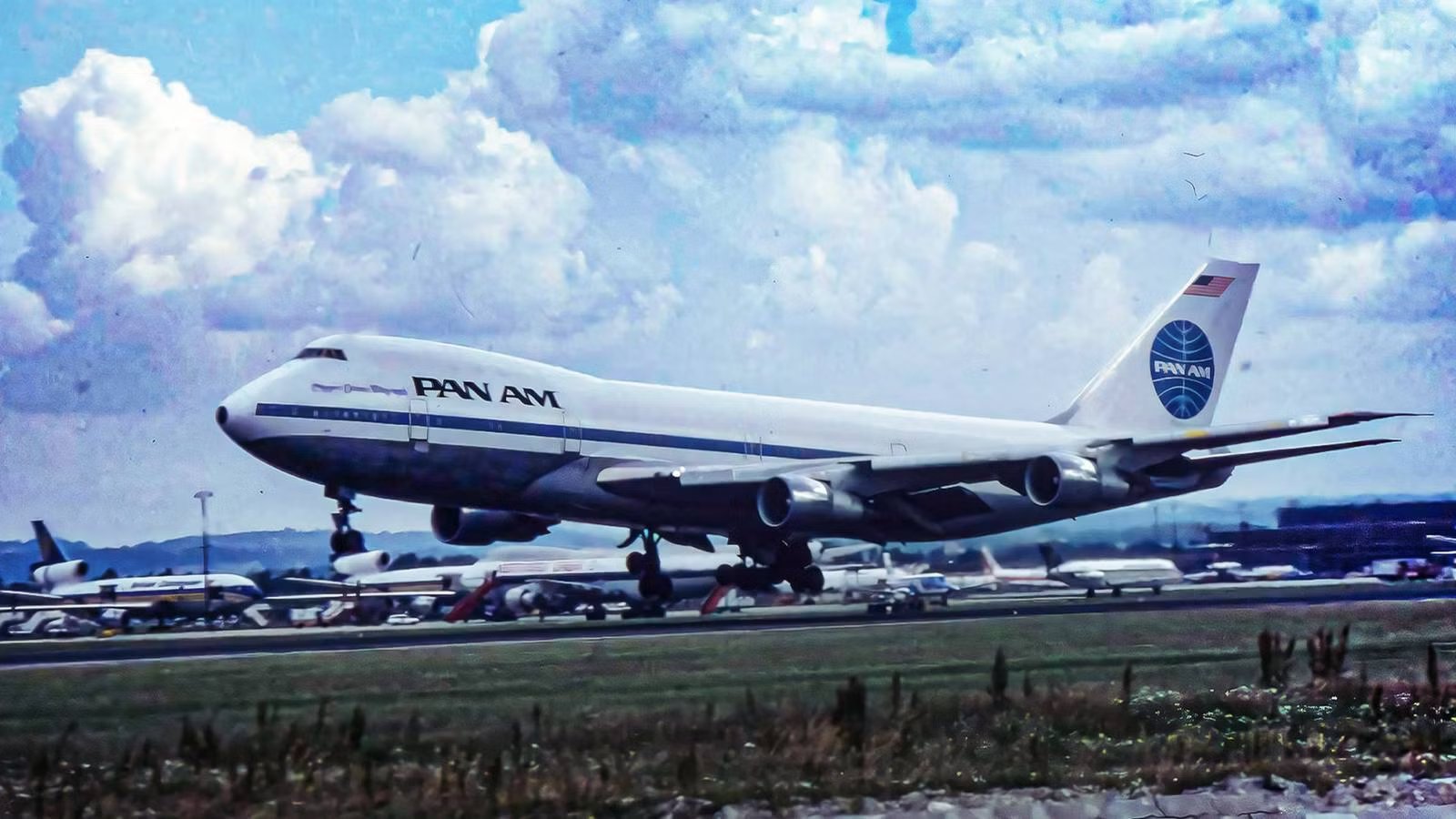
On December 21, 1988, Pan American World Airways Flight 103 was destroyed over the Scottish town of Lockerbie, killing all 259 people aboard and 11 people on the ground. The attack exposed a weakness that was especially difficult to address – a bomb could be placed inside checked baggage and enter the aircraft without the passenger carrying it ever passing through the most visible layers of airport security. In the aftermath, aviation authorities began treating checked baggage as a security problem in its own right rather than simply as property that needed to reach the aircraft.
The response did not create the modern airport security system overnight, and it would be inaccurate to suggest that the US Transportation Security Administration (TSA) or today’s universal checked-baggage screening requirements were direct products of Lockerbie. Those developments came later, but Lockerbie was nevertheless a major turning point, helping establish the principle that baggage had to be screened, controlled, and tracked more carefully, while also demonstrating that better equipment alone was not enough if security procedures were not properly followed.
The Bomb That Exposed A Critical Weakness

The bombing of Flight 103 demonstrated the danger posed by a threat that could remain hidden after a passenger had completed the normal airport process. The Boeing 747 departed  London Heathrow Airport (LHR) for New York John F. Kennedy International Airport (JFK) on December 21, 1988, but was destroyed over Lockerbie less than an hour later. Investigators determined that an explosive device had been concealed inside luggage, making the incident a devastating example of how checked baggage could bypass security assumptions that focused primarily on passengers and carry-on items.
The significance of the bombing was not simply that an explosive had reached an aircraft. It was that the baggage system itself could become part of an attack, with bags moving through several stages between check-in and loading. That meant security could not end when a suitcase was accepted at the counter. Baggage needed to be screened, controlled after screening, and protected against unauthorized access, creating a much more demanding security chain than airports had previously maintained.
The US Federal Aviation Administration (FAA) reacted quickly at what it deemed high-risk airports by requiring US airlines to introduce additional security measures. A 1989 Government Accountability Office (GAO) review specifically examined those changes and found that they included new procedures for screening and controlling checked and carry-on baggage, cargo, and certain electronic devices. The report’s appendix was titled Changes to Airline Security Practices After Pan Am Flight 103, making the connection between Lockerbie and the new baggage rules unusually clear.
Checked Bags Became A Security Priority

Among the most important changes was a requirement that, at designated high-risk foreign airports, US carriers either X-ray checked baggage or physically search it. The distinction mattered because it moved baggage screening from an occasional precaution toward a defined security responsibility. A suitcase was no longer treated simply as an item belonging to a passenger – it became something that had to be examined for threats before being allowed to travel.
The FAA also required airlines to prevent passengers from accessing their checked bags after screening. That addressed an obvious vulnerability in any screening system: if a bag could be opened and altered after inspection, the inspection itself offered little protection. The new approach therefore treated screening as part of a process rather than an isolated event, with controls needed before and after the bag passed through an X-ray machine or physical search.
Another requirement was that checked baggage be secured between check-in and aircraft loading. Bags belonging to passengers selected for additional screening also had to be physically searched. These measures established several ideas that would become familiar throughout aviation security – screen the bag, restrict access to it afterward, and apply additional inspection when circumstances require it. The 1989 GAO report documented these measures as direct changes following the Lockerbie bombing.
Screening Was Only As Strong As The People Using It

Lockerbie also revealed that adding procedures to a security program did not automatically make those procedures effective. The GAO found deficiencies in the implementation of security measures after reviewing FAA inspections and the investigation into Flight 103. In particular, the agency concluded that breakdowns in training could have contributed to failures among personnel responsible for screening passengers and baggage at high-risk overseas airports.
That finding was important because airport security depends on a long chain of human decisions. An X-ray machine can produce an image, but a screener must interpret it correctly. A physical search can uncover a suspicious object, but personnel must know when a search is required and how to conduct it. A secure baggage area can protect screened luggage, but only if employees consistently follow access-control procedures. Lockerbie therefore helped shift attention toward the reliability of the entire security operation.
The GAO recommended that the FAA establish comprehensive training requirements and standards for the additional security measures imposed at high-risk airports. The recommendation was subsequently implemented, with the FAA adding training requirements and inspection guidance to its security program. This was an early indication that aviation security was becoming less about having rules on paper and more about creating standardized systems that could be inspected and enforced.
The Rise Of Explosives Detection

The Lockerbie bombing also intensified interest in technology capable of detecting explosives rather than simply identifying obvious objects. Conventional X-ray screening could reveal the shape and density of items inside a suitcase, but sophisticated explosive devices could be difficult to recognize, particularly when they were concealed among ordinary belongings. That limitation became increasingly important as aviation authorities considered how to detect threats without relying entirely on visual interpretation.
By the 1990s, US aviation security discussions were increasingly focused on explosives-detection technology and more advanced baggage screening. A 1996 GAO assessment noted that conventional X-ray screening had limitations and that new explosive detectors were being developed. The agency also discussed the substantial cost associated with introducing more advanced technology across the aviation system.
The technological evolution would eventually lead to sophisticated explosives-detection systems becoming an important part of checked-baggage screening. However, that progression took years and involved legislation, funding, equipment development, and changes in airport infrastructure. Lockerbie was therefore a catalyst rather than a finished blueprint. It made the threat unmistakable, while subsequent attacks and government decisions determined how far the technology would ultimately be deployed.
Lockerbie Did Not Directly Lead To The TSA

One of the most common misconceptions about the history of airport security is that Lockerbie directly produced the system travelers encounter today. The timeline is more complicated. The FAA introduced additional measures after Flight 103, but the Transportation Security Administration did not exist at that time. TSA was created after the September 11 attacks as part of a much broader restructuring of US aviation and transportation security.
The post-9/11 era brought a fundamentally different level of federal involvement, including the creation of TSA and the expansion of systematic screening of passengers and baggage. Universal screening of checked baggage for explosives was part of that later transformation, rather than something fully established in the immediate aftermath of Lockerbie. The distinction matters because aviation security developed through successive responses to different threats rather than through one single event.
Even after TSA was established, the system continued to evolve. Government reviews have repeatedly examined screener training, technology, foreign airport security, and airline compliance, showing that aviation security remains a moving target. In 2020, for example, GAO reported that TSA continued to update screener training in response to emerging threats and vulnerabilities, demonstrating that the security system created after 9/11 was continually being revised.
The Lasting Legacy Of Flight 103

The most enduring legacy of Lockerbie is the idea that baggage security cannot be separated from aircraft security. Before the bombing, it was possible to think of checked baggage largely as part of the airport’s logistical operation. Afterward, the movement of every bag became more clearly connected to the question whether an explosive device could enter the aircraft. Screening therefore became only one part of a larger system involving custody, access controls, searches and verification.
That principle remains visible in modern aviation, even though today’s procedures are the product of decades of additional legislation, technological development and security reforms. The basic logic is familiar – baggage must be examined for threats, unauthorized access must be limited, and security procedures must be applied consistently. Modern systems are considerably more sophisticated than those introduced in 1988 and 1989, but they still reflect the lesson that a screened bag is only secure if it remains secure afterward.
Lockerbie ultimately changed the way aviation authorities viewed the journey a suitcase takes from check-in to aircraft. The bombing did not create today’s airport security system by itself, nor did it immediately produce the technology travelers now associate with checked-baggage screening. What it did was expose a vulnerability with terrible clarity and force regulators and airlines to strengthen the chain around checked baggage. The subsequent history of aviation security built on that lesson, turning baggage from a routine part of airline operations into one of the most closely controlled elements of commercial air travel.