dailynewsnblog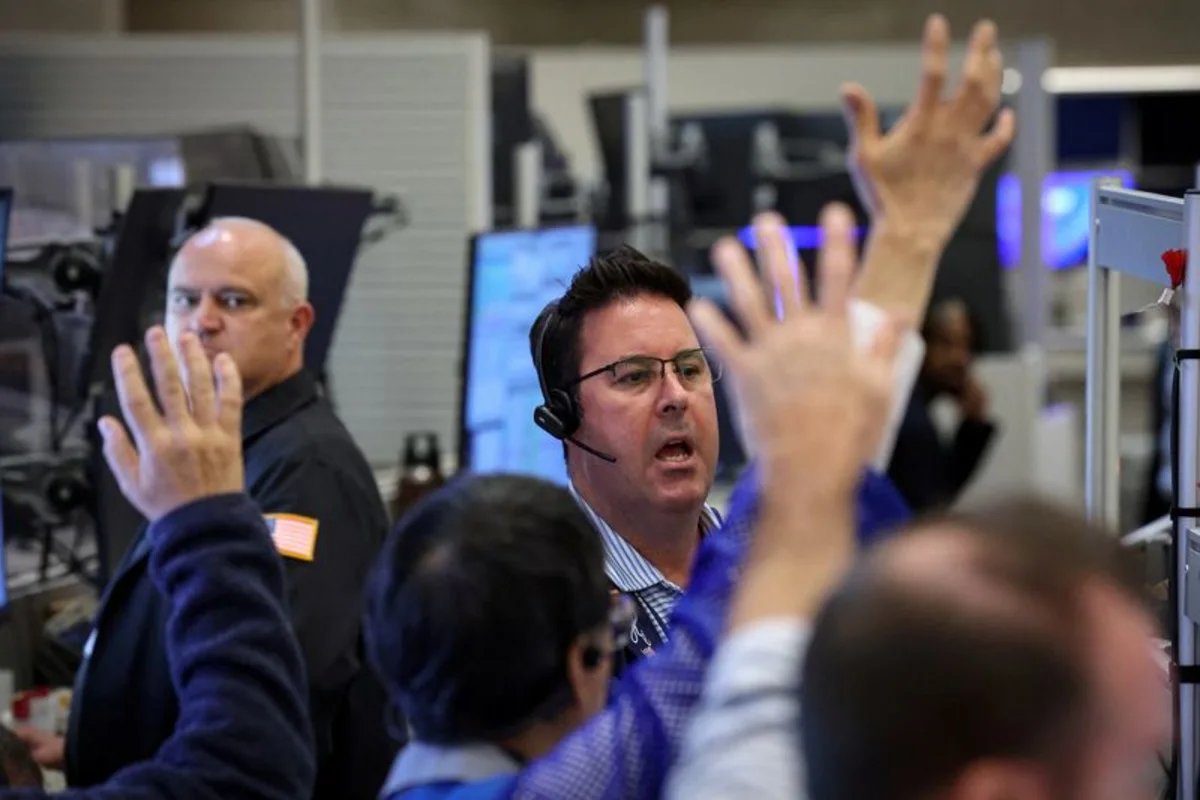
By Mike Dolan
Sept 9 (Reuters) – Tit for tat is the mood of the moment, with oil prices surpassing $100 per barrel for the first time since July after fresh back-and-forth exchanges in the Iran war, while U.S. bans on some Canadian imports represent the latest volley in that spiraling trade row.
Brent crude’s rise back toward triple-digit territory and three-year highs for natural gas prices come as Iran attacked U.S. bases again on Wednesday, in response to the U.S. destruction of several of its oil tankers. Iran-backed Houthis launched attacks on energy facilities and cities in Saudi Arabia on Tuesday.
Traffic through the Strait of Hormuz has slowed to a trickle once more, as the winter months fast approach for the major economies.
Meantime, the latest in the U.S.-Canada trade war saw Washington move from high tariffs to outright bans on some Canadian imports in response to Canada’s “dollar-for-dollar” retaliation to U.S. levies.
The bans target a swath of Canadian alcoholic beverages, motorcycles and dairy products. They come after President Donald Trump said on Monday that Canadian jet maker Bombardier would no longer be allowed to sell its planes in the U.S. unless it started manufacturing in the country.
Where this ends is anyone’s guess, but it will be watched very closely across the world by countries in Europe and Asia that expect another round of U.S. tariffs is coming more broadly.
The geopolitical noise, and the inflation aggravation that comes with it, pumped up long-term borrowing rates once more, in a week where the European Central Bank is expected to lift interest rates again. The Bank of Japan, and possibly the U.S. Federal Reserve, may follow next week.
That saw Wall Street stocks end in the red on Tuesday, with the week’s big U.S. inflation reports on Thursday and Friday now awaited. Software stocks got a fresh jolt from OpenAI’s latest model, GPT-6 Astra, but chip stocks rallied anew, and that continued in Asia on Wednesday.
Otherwise, markets are awaiting details today of Treasury Secretary Scott Bessent’s first buyback foray scheduled for Thursday, something he reportedly claimed was aimed at cooling the bond market “fever”. Treasury yields, however, are as high as when that announcement was first made last month.
Japan’s yen stood tall near seven-month highs ahead of the expected BOJ rate hike next week, and amid reports of major Japanese investors tilting investments back home to capture now higher-yielding government bonds.
Meantime, China on Wednesday released inflation figures for August that showed a marked increase in long-subdued consumer and producer prices, due mainly to higher energy costs.