dailynewsnblog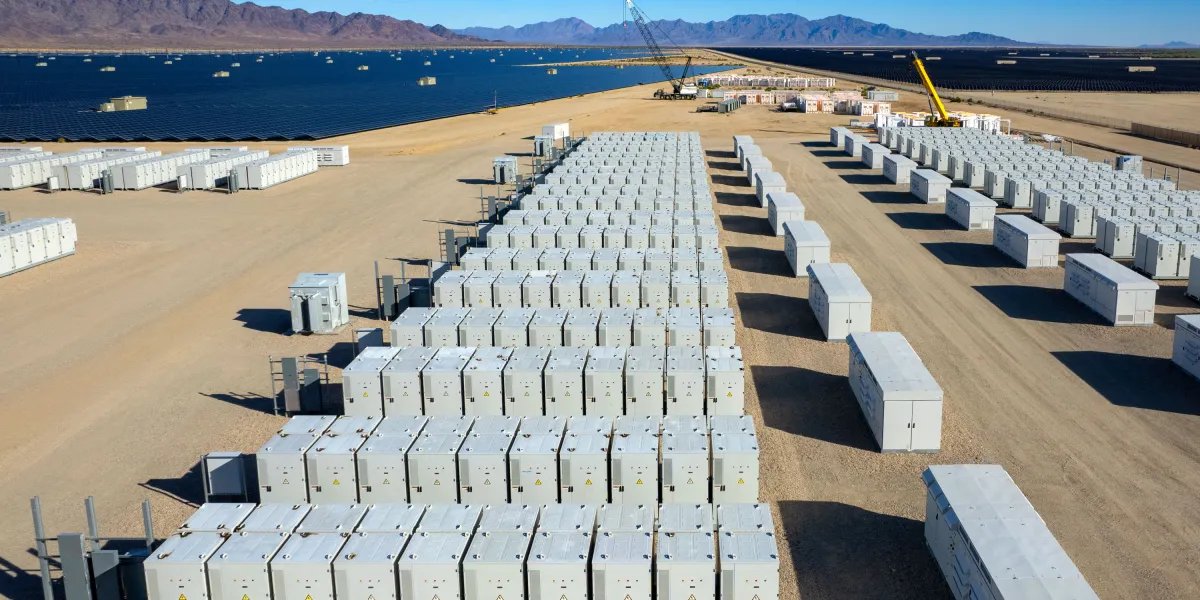
Massive, utility-scale systems are leading the way; they’re responsible for most of the record-setting quarter. Seven new gigascale battery installations (those with a capacity of over one gigawatt-hour) came online during the three-month stretch, according to the report, published by Benchmark Mineral Intelligence and the Solar Energy Industries Association.
“It really came down to a handful of big projects,” says Shan Tomouk, energy storage and energy lead for Benchmark Mineral Intelligence.
But there was also growth in the category of so-called behind-the-meter batteries, which include both residential and industrial battery storage systems. These projects, generally smaller than utility-scale installations, are typically owned and operated by homeowners or businesses rather than utilities or power providers.
In the behind-the-meter category, data centers led the way, making up about three-quarters of new batteries in the commercial sector. But residential batteries saw a sharp slowdown. These systems are often installed in homes to store power from solar panels or serve as a backup source in case of a blackout. Home installations are projected to drop by 16% in 2026 compared with last year, according to the report.
That drop happened largely because a tax credit that helped subsidize home battery systems ended in 2025, Tomouk says. Home installations should recover by the end of the decade, he adds. And tax credits for nonresidential batteries have largely survived.
Overall, batteries are a bright spot in energy right now. “This is one of the strong sectors in the US,” says Isshu Kikuma, an energy storage analyst at BloombergNEF, an energy consultancy.
As the battery market continues to grow, one major trend to keep an eye on is a move toward US-made technology. Today, nearly all the systems coming online use cells made in China, though some are put together into complete energy storage systems in the US.
Tariffs were already pushing the US energy storage industry toward domestic production. And beginning this year, energy storage tax credits required projects to limit their reliance on batteries imported from China. There’s a lot of manufacturing capacity set to come online in the US, though these factories probably won’t be able to meet demand until at least 2030 or so, Tomouk says, so prices could tick up.