dailynewsnblog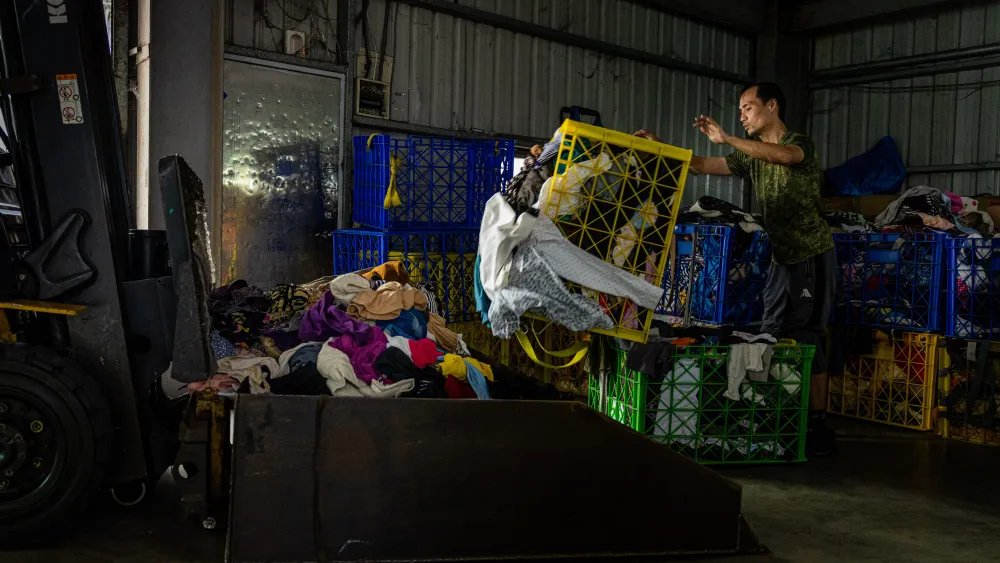
A consortium based in Taiwan said it is using a new recycling technology that can transform textile waste into soft and high-performance polyester elastomer, which can help address the fashion industry’s problem with recycling composite materials.
The consortium included polyester manufacturer Far Eastern New Century Corporation (FENC). Together, they developed a tech that is called FENC Topgreen rTPEE—which won at the 2026 R&D 100 Awards—that converts contaminated footwear waste into 99.5 percent pure recycled polyester.
“This innovative rTPEE material can be applied in diverse footwear and textile applications, including shoe midsoles and outsoles, elastic fibers, waterproof and breathable membranes, and synthetic leather,” The FENC said in a statement.
The rest of the consortium were composed of Taiwan Textile Research Institute (TTRI), Long John Tsung Right Industrial Co., Ltd., and Pro Arch International Development Enterprise Inc.
The FENC said integrating shoe structures with all polyester-based materials enables the development of single-material footwear, which lowers the difficulty of backend sorting and recycling, resulting in an easier chemical recycling at the end of the shoe’s life cycle.
It’s also more environmentally sustainable. FENC said their polyester-based technology reduces carbon emissions by over 40 percent when compared to the conventional thermoplastic polyurethane (TPU) commonly used in footwear and textiles—all while maintaining product performance and functionality.
The FENC said it will continue to advance low-carbon materials and circular economy solutions, collaborating with industry partners to promote the high-value utilization and commercial applications of recycled materials.
FENC did not say how much the new technology would cost to run. Textile waste can be expensive to recycle. Last June, the European Anti-Fraud Office found huge piles of textile waste—somewhere around 4,200 tonnes—illegally shipped from Italy to Turkey in order to avoid expensive recycling requirements.
In the European Union, for example, used textile is different from textile waste. All separately collected textiles are now considered as waste, with each EU country having to ensure that separately collected textiles undergo sorting operations before their possible shipment, to prevent waste from being falsely labelled and exported as reusable.



![[For Asia] PlayStation Store: August 2026’s top downloads – PlayStation.Blog](https://dailynewsnblog.com/wp-content/uploads/2026/09/38ec08d3f887583a573a6bba0e5a21bad2f954eb.jpg)