dailynewsnblog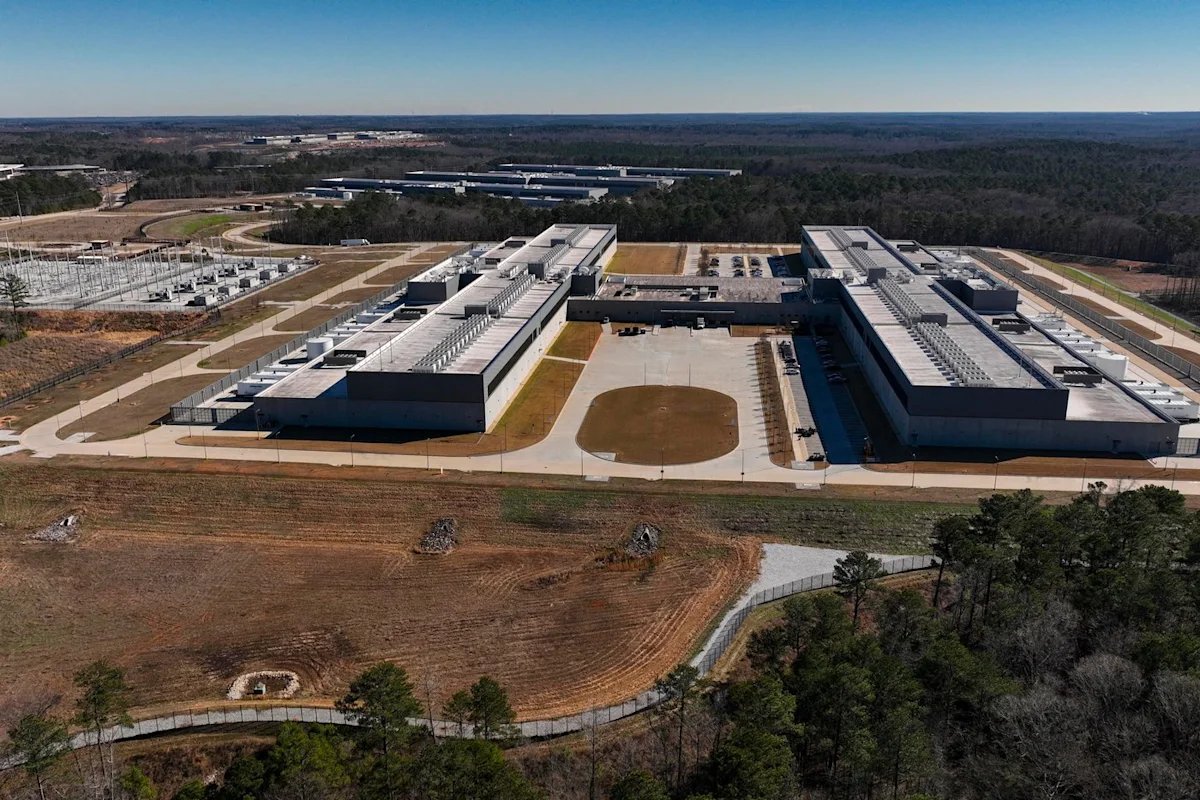
JOHANNESBURG (AP) — South African civil rights groups are calling for a halt to the construction of additional data centers in the country until the use of scarce water, land and electricity resources has been investigated.
With South Africa positioning itself as Africa’s main data hub and U.S. technology companies like Amazon, Microsoft and Equinix increasingly setting up digital infrastructure in the country, civil society organizations have raised the alarm about the lack of transparency around the projects.
The country’s rights watchdog, the South African Human Rights Commission, told The Associated Press that it has received over 250 submissions from interested groups after it called for input in May this year.
According to South African President Cyril Ramaphosa, the country hosts 70% of Africa’s data center capacity, and the government has identified this as an opportunity in the global digital economy, inviting more tech companies to build digital infrastructure in the country.
However, as in other parts of the world, such as the U.S., where data centers have been increasing rapidly, their long-term environmental and societal impacts are coming under greater scrutiny.
The commission noted that the country had experienced “significant growth” in the establishment of data centers, cloud infrastructure and related digital systems.
“A key issue emerging from the process is precisely the availability, consistency and transparency of information relating to matters such as electricity and water demand, land use, infrastructure requirements, environmental impacts and impacts on surrounding communities,” said Dr. Eileen Carter, who leads the commission preliminary process.
One of the latest municipal approvals for a data center that has irked various quarters is an Equinix hyperscale facility to be built in Cape Town, a city that avoided a so-called “Day Zero” in 2018, when its taps were predicted to run dry due to water scarcity.
The country’s recent memory of widespread power cuts, known as ” loadshedding, ” has also raised concerns about the 160 megawatts of electricity estimated to be required to run the facility.
South Africa has seemingly overcome its electricity crisis, with the country’s power utility, Eskom, reporting a power surplus during the winter peak-demand season, but civil society groups are wary of the surplus power being sold to data centers.
Some experts say the call for a temporary halt to more approvals should not be taken as a rejection of potential foreign investment in the country, but rather as a mechanism to establish clear rules, especially around transparency.