dailynewsnblog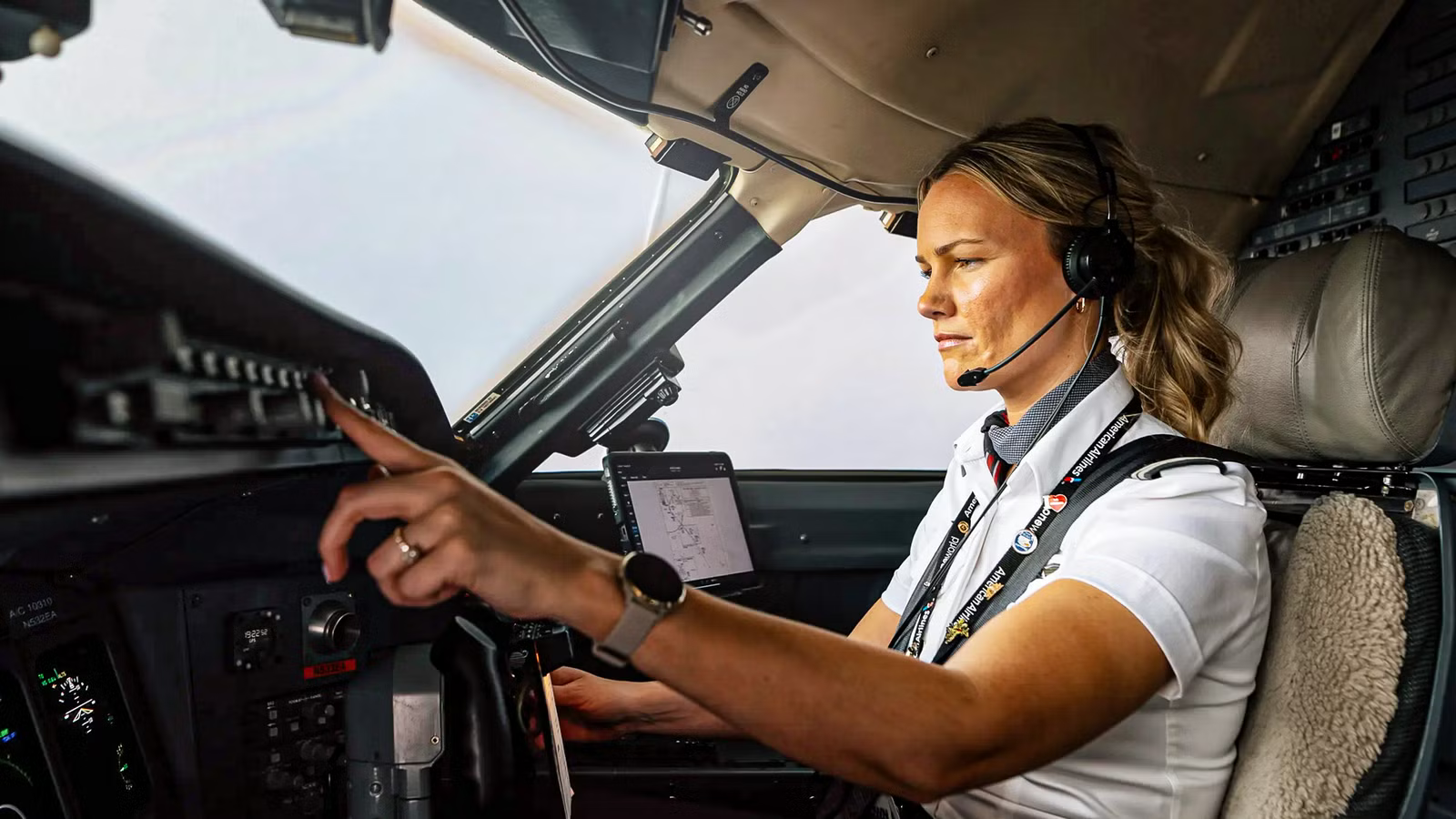
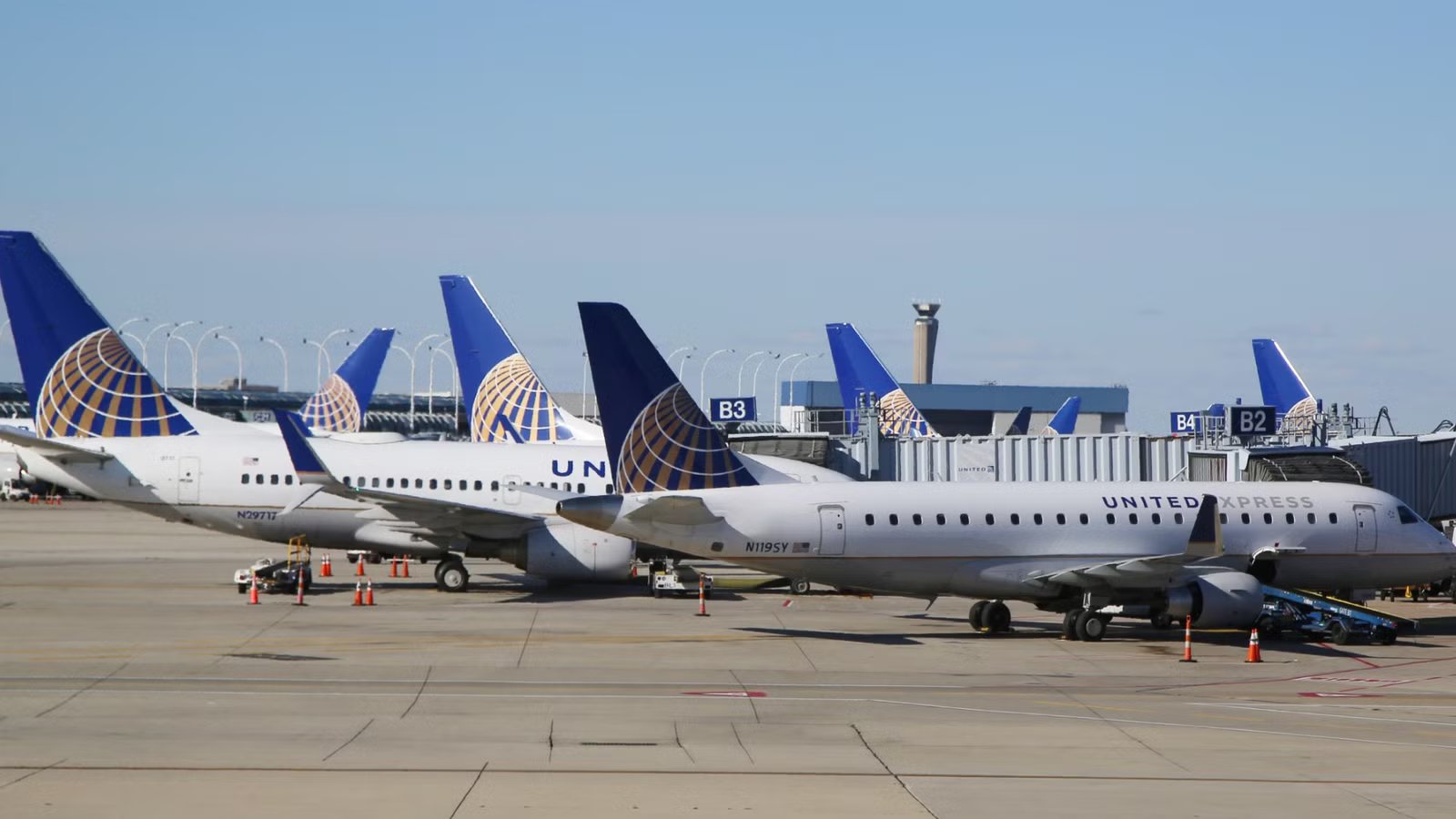
When it comes to choosing a career path in commercial aviation, the first step is one of the most decisive factors in the trajectory of a pilot’s long-term prospects. Comparing the recruiting and training pipelines of the ‘Big Three’ legacy carriers highlights the differences from one airline to the next.  United Airlines operates the Aviate program, while
  Delta Air Lines runs Propel, and
  American Airlines uses its Cadet Academy to produce new first officers.
United Airlines expects candidates to hold, or be working toward, a commercial pilot certificate with an instrument rating when they apply. Delta has a lower threshold, but it requires applicants to have experience as a flight instructor. On the other hand, American is willing to take on new Cadets with zero hours and train them to fly at one of its subsidiary regional carriers, such as Envoy, Piedmont, or PSA Airlines.
Depending on the level of experience one has already achieved prior to beginning the journey to a commercial jetliner flight deck, each of these career paths has its own pros and cons. United has the highest expectations but offers a streamlined path to the cockpit for aspiring pilots who already have their own certifications. Meanwhile, Delta offers a launch pad for those with some experience to accelerate their career. American offers the best option for those who do not have formal training yet but are ready to make the plunge into a career as a professional aviator.
United Airlines’ Aviate

United Airlines is not trying to teach people how to fly. The Aviate program primarily exists to screen new pilots for the qualities necessary to operate commercial jetliners. The pipeline washes out anyone who struggles with basic instrument procedures. If you are starting from zero, there is an option to take out loans to cover the cost of Aviate Academy, which reportedly runs about $75,000. You will need a high school diploma or GED along with a valid medical evaluation from the Federal Aviation Administration.
If you already hold your ratings, you skip Academy tuition entirely and just build hours flying for pay at a UA-affiliated regional or Part 135 operator. Prospective mainline airliner pilots are employees, not students, during this phase. United requires 1,200 hours as pilot in command before transitioning out of regional ops. Once candidates meet the hour requirement and performance standards, United will set a start date within four months.
The catch with the Aviate pipeline is that United can impose a quarterly volume cap on the number of participants hired by its regional carriers. The airline reassesses the program’s needs to determine how many applicants are accepted and promoted. The path laid out by criteria such as PIC hours is not the only determining factor in the process.
Delta Air Lines’ Propel

Delta shares an integrated recruiting and pilot selection pipeline with its wholly owned subsidiary Endeavor Air. Applicants do not need a university degree, but must have logged time as a certified flight instructor to be considered. Propel provides a defined path to a qualified job offer after candidates pass the single, initial interview. After that, new pilots will need to fly for Endeavor for at least 24 months in the role of captain.
The timeline from hire to captain is reportedly around 36 months. In total, that means that from the initial interview at Propel until the time a new Delta pilot sets foot on the flight deck of a mainline jet will be approximately five years. Although that may sound like a lengthy process, the qualified job offer is a very strong commitment from the carrier. There is no competitive interview after fulfilling the hours requirement with Endeavor, and promotion to Delta’s main fleet is essentially guaranteed.
Delta has a streamlined pipeline from interview to regional service and on to mainline service because it outsources the earliest stages of a pilot’s training and education. Much like United, this model places the burden of taking the first step squarely on the individual applicant. This reduces the risk of a new hire washing out in the early stages and allows Delta to extend a virtually ironclad promise of employment.
American Airlines Cadets

American Airlines is the only carrier of the legacy big three that will take a true beginner with zero flight hours. The airline does require a high school diploma or GED, but AA is the only one of the top airlines in the US that hires pilots who walk in from the street. If an aspiring aviator chooses to take this route, that will require a significant loan from the American Airlines Federal Credit Union to cover the cost of training. That is reportedly around $125,000 and does not include any provisional offer of employment.
What American promises is that, after being accepted into its pipeline, pilots can fly for one of its affiliated regional carriers without a follow-up interview phase. That means that meeting all the educational and training criteria guarantees a seat in the cockpit with Envoy, Piedmont, or PSA Airlines.
After that, the time to transition from regional to mainline service varies with both the individual pilot and market timing. The time from day one to the flight deck of one of the airline’s single-aisle jets is between five and seven years, depending on the specific circumstances. American’s Cadet Academy offers the lowest barrier to entry but requires the longest commitment before reaping the rewards of flying for a top Legacy carrier.
The Puddle Jumper Experience

Regardless of which one of the big three an aspiring jetliner pilot chooses to sign on the dotted line with, the experience of flying for a regional carrier is a universal constant. In the past, regional pilots were paid very paltry sums compared to their peers at mainline carriers. Today, that is changing with the steadily compounding pilot shortage and continued need for ‘puddle jumper’ aircrew to feed the larger fleets.
Entry is now reportedly between $90 and $130 per flight hour for first-year regional flight officers. That comes out to an annual base salary of approximately $90,000 to $110,000 depending on the carrier and number of hours flown per year. Factoring in per diem, signing bonuses, and premium trip pickups, it is far from unheard of for a brand-new pilot to clear well over $100,000 in year one.
Because the majors are hiring so aggressively from the regionals, the regional carriers had to match competitive rates to keep their planes from being grounded. The financial desperation that was once notorious has evaporated, and everyone is getting paid well from day one to maintain high retention and improve recruiting. The system at regionals works very similarly to the same seniority system used by the airlines that puddle jumper captains are destined to eventually join.
The Quicker Career Takeoff Thanks To Demand

New hire pilots start out on reserve, which means they have to wait on call to go to the airport when needed to operate a flight. There is short reserve, which has a response time of just a couple of hours, and long reserve. Long gives a pilot 12 to 14 hours from the time they received the call to the time that they need to be on the flight deck.
Most new aircrew will be commuter pilots unless they happen to live in the assigned base city that a regional carrier selects. This requires flying on personal time and using jumpseat privileges just to get to work before your actual paid shift even starts. New first officers fly the maximum allowable legal limits, dealing with summer thunderstorms, winter de-icing delays, and fluctuating monthly schedules that make long-term personal planning a challenge.
The rapidly worsening shortage of pilots at full-service airlines has compressed the typical timeline from hire to transition as well. Instead of spending five to ten years in the right seat waiting to become a captain, pilots are upgrading to the left seat in as little as 18 to 24 months at some regional carriers, provided they have the legally required hours. Curiously, the improved compensation for regional captains has led to a dip in the salary schedule after a pilot makes the jump from puddle jumper to mainline.
First-year flight officers at the Big Three earn between $110 and $125 per flight hour, which is near the upper end of the regional spectrum, but can be a minor pay cut for some. Upgrading to captain at a regional comes with an hourly rate spike to anywhere between $120 and $180+ an hour, pushing annual earning potential closer to the $150,000–$200,000 range.
A senior regional captain making overtime can actually make more money than a brand-new mainline first officer. Every new pilot has to psychologically and financially plan for that one-year plateau where their paycheck temporarily drops, knowing it is the necessary hurdle to unlock the massive $350,000 to $500,000 widebody captain salaries at the end of the line.