dailynewsnblog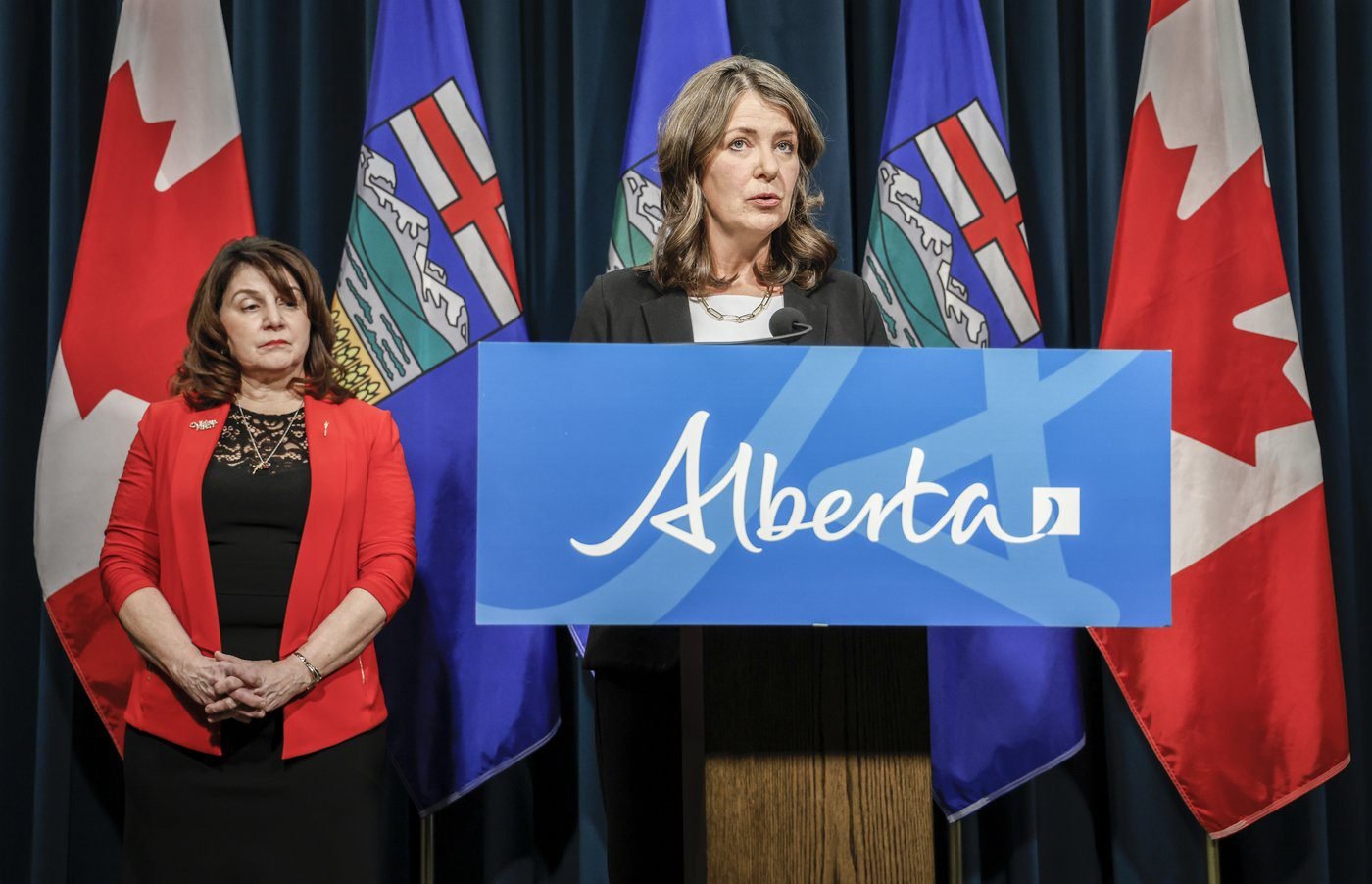
EDMONTON — Alberta’s government says close to 400 specialist physicians have expressed interest in participating in the province’s new dual practice system.
The model is set to allow doctors to offer private services while also working in the public system, starting with elective surgeries like hip and knee replacements.
Legislation enabling the new system takes effect on Tuesday, but Surgical Services Minister Adriana LaGrange’s office said Monday the government still has to do a formal application process before any privately paid-for surgeries take place.
The government announced in June that it wanted to hear from physicians over the summer, and LaGrange’s office said nearly 400 expressions of interest were received and are now under review.
“This will help us gauge interest, understand what specialists are contemplating dual practice and prepare for the formal application process,” said Maddison McKee, a spokesperson for LaGrange.
“Applications will be reviewed to ensure eligibility criteria and government requirements are met, including public surgery hour requirements, monitoring and new reporting requirements.”
The College of Physicians and Surgeons of Alberta currently lists about 14,150 registered physicians in the province, with nearly 550 specializing in some form of surgery.
Orthopedic surgeons, who specialize in procedures like hip and knee replacements, account for 272 of the province’s registered physicians, according to the college’s website.
McKee didn’t provide a date for when the application process will be complete, but said the province is on track to see the first dual practice surgeries take place later this fall.
The new model has been subject to plenty of criticism, including by the provincial and national doctors associations and the Opposition NDP.
Among their concerns are that the dual practice system amounts to two-tiered health care that benefits those who can afford to pay while draining resources from the public health system.
The government has repeatedly defended the move since it tabled the legislation in November, saying the current status quo isn’t serving Albertans well and the government wants to create more options. The province has also said it thinks the model will attract more doctors to Alberta.
Dr. Bolu Ogunyemi, the president of the Canadian Medical Association, said Monday that he knows physicians across the country are frustrated by not being able to influence changes in the health-care system, so he wasn’t surprised to hear nearly 400 are looking to try something else.
“If we talk about private delivery of care or delivery of care outside of hospital settings, certainly it is more efficient and physicians can have more more control,” he said in an interview.
“I surmise very strongly that those are factors that’s leaving physicians to (want to) have more autonomy in this way.”
There have been calls for Ottawa to step in and say Alberta’s law violates national health-care rules, and federal Health Minister Marjorie Michel’s office said earlier this month that Michel was having “targeted discussions” with LaGrange about the new system to make sure the principles of public health care were being respected.
Premier Danielle Smith has said her government’s move doesn’t violate the Canada Health Act and that she expects Ottawa to respect the province’s jurisdiction over health care.
“Albertans who choose to pay privately for eligible elective surgery should be able to do so here at home, rather than travelling out of province as they have done for decades,” Smith said on social media earlier this month.
“In Alberta, we do things a little differently, and I firmly believe we can do both.”
Ogunyemi said he too wants to see Michel step in and enforce the act and have Alberta instead focus resources on recruiting and investing in the health-care workforce, infrastructure and technological innovation.
“We’re really happy to collaborate with them on those models that work within … the rules of medicare in a universal publicly funded health-care system.”
Sarah Hoffman, the NDP surgical services critic, said Monday that the government pushing ahead with its dual practice model despite the concerns means it “is more interested in privatization than strengthening public health care.”
“Albertans want shorter wait times and better access to care. The answer is investing in and expanding our public health-care system, not creating new opportunities for private profit.”
This report by The Canadian Press was first published Aug. 31, 2026.
Jack Farrell, The Canadian Press