dailynewsnblog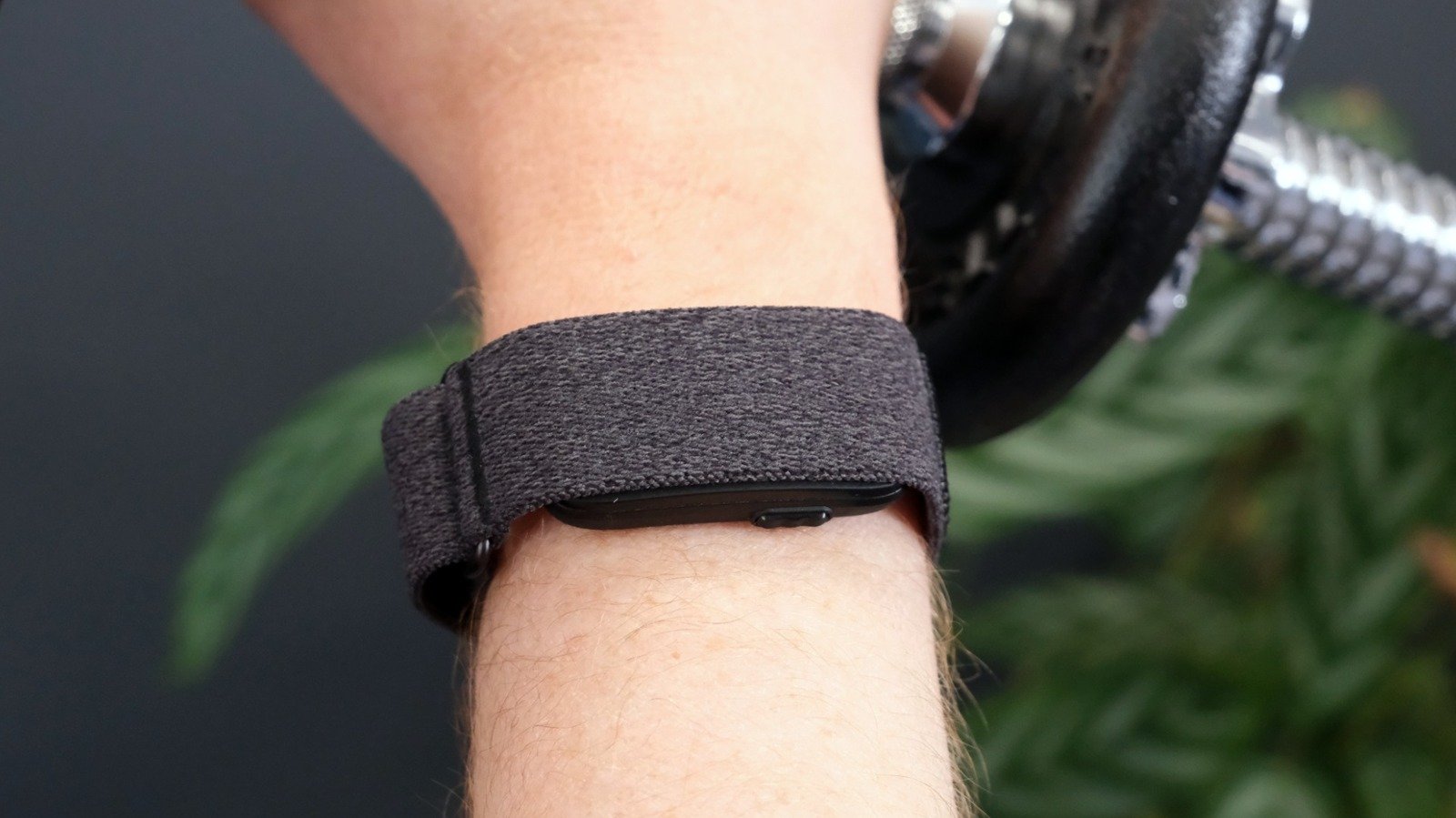
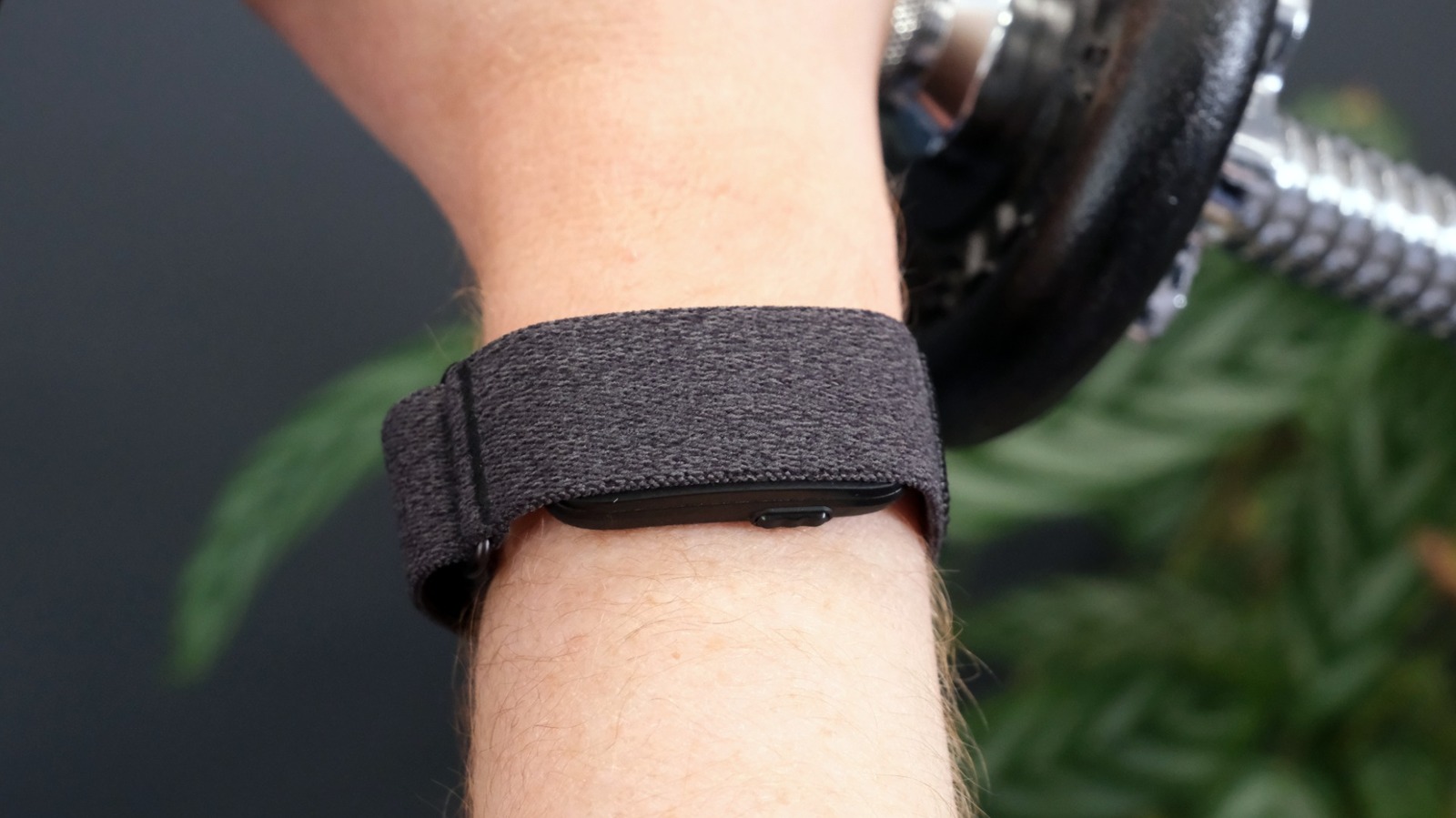
The first line in Garmin’s marketing boasts that Cirqa offers “24/7 health monitoring and fitness features with no subscription required.” That’s a sharp elbow in the ribs of both rivals like Whoop and Fitbit, as well as devices that do the same job in another form, like Oura and Ultrahuman. But while Garmin’s claim is technically correct, it’s also one of those phrases that carries less and less weight when you give it any sort of interrogation whatsoever.
You see, the fitness people outraged at my cynicism about screenless trackers will say that Whoop, Fitbit Air and the rest make better use of fitness data. It’s not about the hardware at all, but the AI and coaching insights that are generated from the information those wearables supply. They’re paying a premium for the packaging of vast amounts of health data into short, understandable and actionable pieces of advice. Like when you wake up in the morning not too sure why you’re feeling rough, only to be told that your heart rate didn’t drop until late in your sleep cycle, and it’s likely you ate too late in the evening, so cut it out.
But Garmin isn’t that sort of company, and I assume it’s institutionally resistant to building out its software products more generally. Its app platform, Garmin Connect, is very good at giving you lots of data in an easily-understandable format. You’ll get your stats laid out in a tight and tidy dashboard, with numbers in color-coded rings to keep you up to speed. If you exceed your exercise quota or get several nights of good sleep, you’ll see more green than red. I think Garmin believes its customers would much rather figure things out for themselves than have it spoonfed. But, if that’s the case, why would you buy a Cirqa ($200) over a Vivosmart ($150)?
I’ve been dinging Garmin for its lackluster software since at least 2019 when I reviewed the original Venu. It had the hardware and fitness tracking capacity to be a true Apple Watch competitor if Garmin just built out the smartphone integrations. Given the state of Garmin Connect seven years later, you can only assume the lack of work here is a choice. On a related matter, and I’ll admit this is more of a gripe, but I think the company really needs to think about some basic quality of life factors a lot more. One night, at 10:46PM, several hours after my phone went into Do Not Disturb mode, I was drifting off to sleep. The Cirqa started vibrating aggressively to let me know it had hit 20 percent battery, a piece of information that just couldn’t wait until the morning.
You could argue this data rich, but conclusion-light app is designed to get you to pay for Garmin Connect+, its premium subscription feature. This included AI-generated insights, food logging and nutrition guidance, live activity, coaching and an annual report of your progress. But given Garmin foregrounds the ability to use this device without paying more, that’s how I reviewed it. And, from what I understand, not only are the AI insights not that useful, but some features like Outdoor Trails aren’t even compatible with Cirqa.
The other issue is perhaps Garmin doesn’t see the need to build out all of this AI insight stuff because, in its own mind, it solved this issue years ago. The Body Battery Score, in essence, gives you a figure out of 100 to sum up where the system thinks you’re at at any given moment. If you had a good night of sleep and haven’t exerted yourself too much, you’ll get a high figure and a suggestion to work out. If it’s the opposite, you’ll be told to take it easy and focus on recuperation, with graphs showing you where it thinks you’ve spent your energy. It’s the sort of feature that you can now find on pretty much every wearable device, and Garmin’s been doing it for years.