dailynewsnblog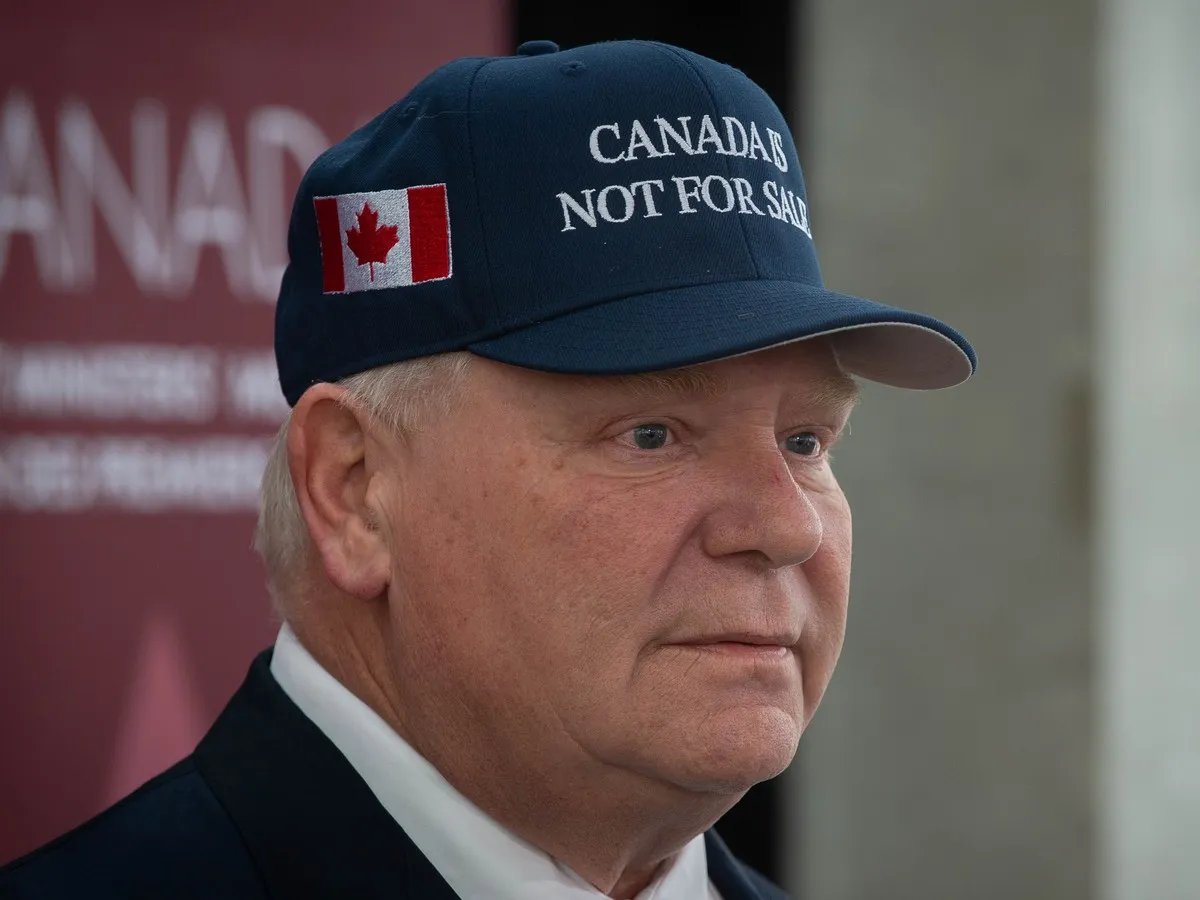
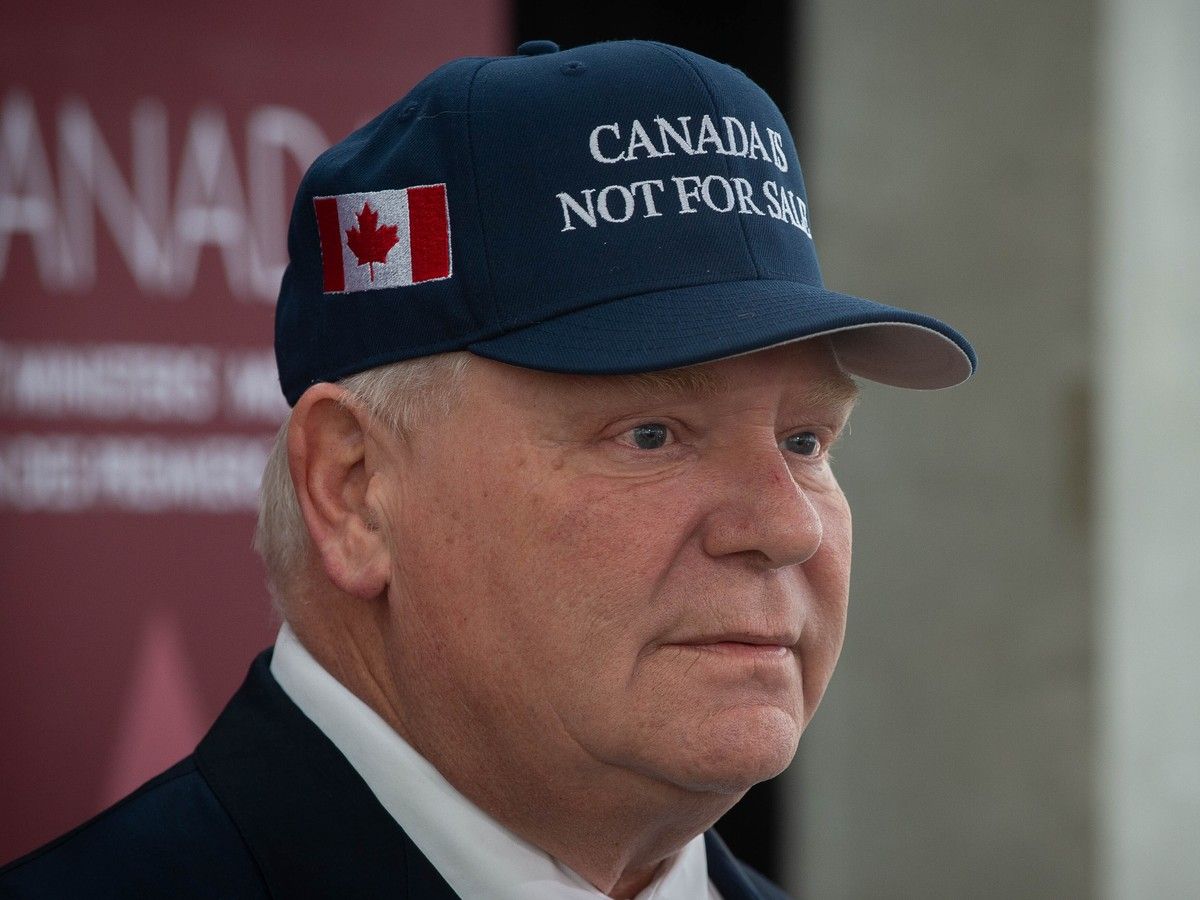
Doug Ford had a rough spring and a summer that wasn’t going much better.
His government’s ill-advised purchase of a private jet blew a hole in his everyman persona so much that he might as well have started showing up to public events with a top hat and monocle. Spending scandals followed, solidifying the image of his governing PCs as a party that was self-satisfied, sloppy or both.
The Ontario premier’s poll numbers sagged, so much so that the PCs were behind a Liberal party that doesn’t even have a permanent leader.
But Ford, who sailed to re-election last year on the back of a Captain Canada persona, has found his footing again in a new role: Bad Cop.
You know the character: Where Mark Carney is the Good Cop, trying to deal with Donald Trump and his administration of yes-men and stooges patiently and diplomatically, Ford is the maverick who doesn’t play by the rules. He’s shooting his mouth off, calling the U.S. president a bully and a loser, and inviting him to kiss his behind. In the movie version, Carney would be in the interview room telling the criminal suspect that he’d better answer their questions soon, because he just doesn’t know what his crazy partner will do next. He could fly off the handle at any minute!
This happens to be an excellent role for Ford. Already prone to bluster and unrehearsed statements in relatively quiet times, his belligerence in the face of Trump’s trade threats perfectly reflects the Canadian mood at the moment. While there is broad public support for Carney’s decision to walk away from trade talks at the last minute, what Canadians really want to do is tell Trump to, well, kiss our collective behind.
Not surprisingly, Ford’s poll numbers have rebounded right after he suggested the president do such a thing.
A Liaison Strategies survey released on Wednesday shows the PCs holding a four-point lead (39 per cent vs. 35 per cent) over the second-place Liberals, while the Official Opposition of Marit Stiles and the NDP are another 15 points back at 20 per cent. Ford’s approval rating has also shot up by 12 points since July, although the survey of 1,500 Ontarians still shows him at only 36 per cent approval, hardly the stuff of an enamoured public.
It’s not as if there isn’t precedent for a Trumpian intervention to upset a political picture north of the border that looked fairly hardened. His trade wars and annexation musings reversed the fortunes of the federal Liberals, making a prime minister of Mark Carney after Pierre Poilievre had spent months readying himself for the role.
Ford is now riding a similar wave. Where most of the talk over the last few months has been how his PCs had been suffering through the kinds of doldrums that often afflict a tired government, Trump has given him renewed purpose and a resonating message. That Trump has insulted Ford specifically only increases his bona fides with his countrymen.
And now comes the part of the column where we must introduce some caveats. As the Canadian politician who is leading the charge for a strong reaction to Trump’s tariffs, calling for oil, electricity and potash to be used as weapons in an escalating trade war, Ford could also bear significant blame for any economic hardship that might follow. He’s insisted that such tactics are necessary in response to Trump’s bullying, and Canadians who are spoiling for a fight are inclined to agree. But if such a fight ends up devastating, say, Ontario’s automobile industry, Ford won’t be able to claim that he was out there calling for cooler heads and civil diplomacy.
Ford could also run into challenges within the confederation, if his counterparts seek compromise with the United States, as already seems to be the case with Alberta. Would the Bad Cop act still be supported if it turns out that his intransigence is standing in the way of a trade deal that Carney and other first ministers are ready to take? Sometimes the lieutenant has to step in and tell the detectives that their antics are going to get them both fired.
Ford also still has longer-term concerns. This Trump bump, unlike the last one, is not coming amid an election campaign, and by the time Ontario goes to the polls again Trump will no longer be president. Eventually he will have to face all those questions about affordability and the cost of living that have generally dogged incumbent governments in recent years, coupled with the wreckage of whatever the trade war produces.
But for now, a premier who was facing daily questions about how he was out of touch with the everyday folks he has long championed is now echoing their concerns entirely. All he needed was an outburst from the villain of the hour to put him back in his preferred crime-fighting role.