Trending News:Deaf dog is reunited with her owner after the devastating floods in NepalThis Week’s Awesome Tech Stories From Around the Web (Through August 29)England v Pakistan Second Test: Emilio Gay is bowled for lbw by Muhammad AbbasToaplan Arcade Garage: Hishou Same! Same! Same! Review (Switch)6 Air Forces Betting On Advanced Fourth-Gen Fighters Instead Of Waiting For 5th-GenThese Celebrity Airport Looks From the 2000s Still Hold UpMinister Joly concludes diplomatic week in Europe and G20 meetings with visit to the United KingdomFed Chairman Warsh shows courage with Jackson Hole speech, defying political pressure, says Harvard’s RogoffHow Texas’s fight over an ICE agent could open a new political battlegroundLong-term melatonin use linked to 90% higher heart failure riskiPhone 18 Release Date: Why You Might Be Waiting Longer Than ExpectedNoncitizen voting claims animate Trump’s attacks on midterms and set up potential result challengesJaved Miandad on Imran Khan’s imprisonment – ‘What’s being done to him is not right’The Witcher 3: Songs of the Past Will Give Us a Unique Way to Revisit This Beloved WorldThe Galaxy Z Flip 8 is at its best when there’s frictionDogs may hold surprising clues to human longevityHow Trump’s Deportation Agenda Spreads OverseasThe 1970s STOL Prototype Duel The US Air Force Canceled Then Quietly Turned Into The C-17Ayan Broomfield on Her US Open Style and the Future of TennisCanada Gazette – Part I, September 26, 2020, Vol. 154, No. 39Gametime Promo Code: Save on Tickets in September 2026Wolves, Middlesbrough & Swansea all lead – EFL LIVE on Sky!“I’m desperately looking for anybody who knows anybody at Valve”: open world satire Future? No Thanks! is still locked in Steam horny jailKeto diet cut liver fat by 67% in a clinical trialMinister Joly to hold teleconference on her visit to the United KingdomWall Street is turning Nvidia’s AI chips into a new futures market: Chart of the DayNational Park Service backs Trump’s arch, despite its impact on Washington’s sightlineNvidia’s AI advantage is moving beyond the GPUQantas to retire Airbus A380, reveals new business suitesFantasy football rankings 2026: Top sleepers, breakouts, busts by model that hit Daniel Jones’ surprise yearHow Two Bespoke Shoe Designers Made Dolly Parton’s Shoes SparkleNoncitizen voting claims animate Trump’s attacks on midterms and set up potential result challengesHow To Use The New Siri App In iOS 27Why AI could be a game ghanger for housingI’ve checked gaming PC deals every week for two years and I’m not exaggerating when I say there isn’t a single well-priced PC leftTrump’s Marine One helicopter has trouble communicating with air traffic control for second time this monthApple Might Skip the iPhone 18 This Year. Is the iPhone 17 Still Worth It?Forest to bid £40m for Everton teenager ArmstrongCanada Gazette – Part I, October 3, 2020, Vol. 154, No. 40Cathay Pacific Jet Intercepted By NATO Fighter Jets Due To Incorrect Radio Frequency!The manual transmission is back — but only for the supercarMusicians-turned-detectives are hunting for AI griftersSquadron 42 delayed to 2027, with Star Citizen dev blaming GTA 6The Top 20 Picks From Madewell’s Labor Day SaleBiographical noteHarrison Armstrong: Nottingham Forest bid £40m for Everton teenagerThe Delight of San Francisco’s DahliasUntested in court, Trump’s new tariffs on Canada raise legal questionsI asked 100 companies for my data. Some deleted it instead.Sneak Peek: “The Other Side of Paradise” Keith Morrison reports on the Sandra Galas case, FridayCanada Gazette – Part I, October 10, 2020, Vol. 154, No. 41NASA’s Nancy Grace Roman Space Telescope Has a Hidden Technological LeapStar Wars Zero Company Uses Anakin Skywalker for So Much More than a CameoFederal Court staff work weekends, on vacation to keep up with cases: chief justiceSources: MLB suspends prospect over false identity, age plotAt least 27 killed in Bucha following Russian strikeHousehold Essentials Are Up to 50% Off at Amazon and Walmart Right NowPretty Metroidvanias, Free Bomberman-Style Chaos And Other New Indie Games Worth Checking OutIt Girls Will Be Wearing J.Crew’s Luna Pants—And They’re RestockedAnnouncement of new diplomatic appointmentOpinion: We need to reduce wildfire fuel and zone better‘Dark Matter’ Season 2 Premieres Today: How to Watch the Twisty Sci-Fi ThrillerCD Projekt Red Offers To Help Gamescom Theft Victim As Industry Shows Its SupportThe Hidden Reason A Boeing 787 Tail Strike Takes Weeks To Fix, Not DaysScholar Data – Marginal REVOLUTIONSouth Africa v Zimbabwe – T20 tri-series scorecardCathie from Canada: Closing out the week: “Buy Canadian, Bye USA”, plus some updates on wildfires, Nepal and the JaysNashville airport could be renamed for Dolly Parton under Tennessee Gov. Lee’s proposalWilliam Watson: Let’s see the last draft. Inquiring voters want to knowSoundcore Liberty 5 Pro Review: Master of Phone CallsEverything a Fashion Editor Wore on Her Summer Vacation in SpainDuleep Trophy 2026-27 – Gurnoor Brar added to North Zone squad for semi-final against South ZoneCult Simulator Join Us Headed to PS5 Alongside PC and Xbox Series X at LaunchRaymond J. de Souza: Trump’s America is losing its gripAs Apple Prepares Its Next Tech-Defining Moment, Look Back at Major Milestones From Then to NowSome US cities have begun rewarding careful drivers with fewer red lightsScientists discover why damaged nerves struggle to healThey met in line at Dollywood long ago, then became one another’s familyThe Cybersecurity Apocalypse Is Coming in ‘Months,’ AI Giants WarnCanada Gazette – Part I, October 17, 2020, Vol. 154, No. 42UFC Fight Night odds, fight card predictions: Picks for Nurmagomedov vs. Yadong, moreWe need to reduce wildfire fuel and zone betterTalking Point: What Are You Playing This Weekend? (29th August)Your sleep may be hiding an early clue to Alzheimer’sWhat Meta’s All-New Social Media Guidelines Promise to Change for Teen Users8 Brands to Invest in Before Summer Is OverFact-Checking Senate Races in Georgia, Alaska and TexasStatement marking 10 years since the death of Boris NemtsovLet’s see the last draft. Inquiring voters want to knowHow to Run a Chatbot on Your Own ComputerFinal Dolphins 53-man roster projection before NFL cut deadlineWhat are we all playing this weekend?Why this Canada-U.S. pipeline has emerged as a midterm election issue in the U.S. MidwestSkip the iPhone 18 With Up to $291 Off iPhone 17 Pro ModelsTrump establishes US space academy as Artemis II crew receives Space Medal of HonorNepal floods death toll climbs to 626, with 2,400 still missing as rescue efforts continueLando Norris signs new McLaren contract until end of 2030The Boeing 777X’s Unique Cabin Design That Sets It Apart From OthersKylie Jenner’s Crystal Candy Manicure Is #1 on My Mood BoardPsilocybin Might Make Your Brain Live in the Moment
Welcome to Daily News & Blog – your go-to source for the latest news, insightful blogs, and trending stories from around the world.
Who We Are
At Daily News & Blog, we are passionate about delivering accurate, timely, and engaging content across various categories, including world news, economy, technology, sports, gaming, travel, fashion, health, and more. Our goal is to keep you informed, inspired, and ahead of the trends.
What We Offer
✔ Breaking News & In-Depth Analysis – Stay updated with real-time updates and well-researched articles. ✔ Diverse Topics – Covering everything from global events to lifestyle, entertainment, and innovation. ✔ Engaging Blogs – Thought-provoking opinions and expert insights on trending subjects. ✔ Reliable Sources – We curate information from trusted news providers and industry experts.
Our Mission
We aim to be more than just another news website. Our mission is to create a platform where information meets authenticity, helping our readers navigate an ever-changing world with clarity and confidence.
Join Us
Follow us for daily updates and be part of a growing community that values knowledge and meaningful discussions.
📩 Have a story or feedback? Contact us at info@dailynewsnblog.com
Trending News:Deaf dog is reunited with her owner after the devastating floods in NepalThis Week’s Awesome Tech Stories From Around the Web (Through August 29)England v Pakistan Second Test: Emilio Gay is bowled for lbw by Muhammad AbbasToaplan Arcade Garage: Hishou Same! Same! Same! Review (Switch)6 Air Forces Betting On Advanced Fourth-Gen Fighters Instead Of Waiting For 5th-GenThese Celebrity Airport Looks From the 2000s Still Hold UpMinister Joly concludes diplomatic week in Europe and G20 meetings with visit to the United KingdomFed Chairman Warsh shows courage with Jackson Hole speech, defying political pressure, says Harvard’s RogoffHow Texas’s fight over an ICE agent could open a new political battlegroundLong-term melatonin use linked to 90% higher heart failure riskiPhone 18 Release Date: Why You Might Be Waiting Longer Than ExpectedNoncitizen voting claims animate Trump’s attacks on midterms and set up potential result challengesJaved Miandad on Imran Khan’s imprisonment – ‘What’s being done to him is not right’The Witcher 3: Songs of the Past Will Give Us a Unique Way to Revisit This Beloved WorldThe Galaxy Z Flip 8 is at its best when there’s frictionDogs may hold surprising clues to human longevityHow Trump’s Deportation Agenda Spreads OverseasThe 1970s STOL Prototype Duel The US Air Force Canceled Then Quietly Turned Into The C-17Ayan Broomfield on Her US Open Style and the Future of TennisCanada Gazette – Part I, September 26, 2020, Vol. 154, No. 39Gametime Promo Code: Save on Tickets in September 2026Wolves, Middlesbrough & Swansea all lead – EFL LIVE on Sky!“I’m desperately looking for anybody who knows anybody at Valve”: open world satire Future? No Thanks! is still locked in Steam horny jailKeto diet cut liver fat by 67% in a clinical trialMinister Joly to hold teleconference on her visit to the United KingdomWall Street is turning Nvidia’s AI chips into a new futures market: Chart of the DayNational Park Service backs Trump’s arch, despite its impact on Washington’s sightlineNvidia’s AI advantage is moving beyond the GPUQantas to retire Airbus A380, reveals new business suitesFantasy football rankings 2026: Top sleepers, breakouts, busts by model that hit Daniel Jones’ surprise yearHow Two Bespoke Shoe Designers Made Dolly Parton’s Shoes SparkleNoncitizen voting claims animate Trump’s attacks on midterms and set up potential result challengesHow To Use The New Siri App In iOS 27Why AI could be a game ghanger for housingI’ve checked gaming PC deals every week for two years and I’m not exaggerating when I say there isn’t a single well-priced PC leftTrump’s Marine One helicopter has trouble communicating with air traffic control for second time this monthApple Might Skip the iPhone 18 This Year. Is the iPhone 17 Still Worth It?Forest to bid £40m for Everton teenager ArmstrongCanada Gazette – Part I, October 3, 2020, Vol. 154, No. 40Cathay Pacific Jet Intercepted By NATO Fighter Jets Due To Incorrect Radio Frequency!The manual transmission is back — but only for the supercarMusicians-turned-detectives are hunting for AI griftersSquadron 42 delayed to 2027, with Star Citizen dev blaming GTA 6The Top 20 Picks From Madewell’s Labor Day SaleBiographical noteHarrison Armstrong: Nottingham Forest bid £40m for Everton teenagerThe Delight of San Francisco’s DahliasUntested in court, Trump’s new tariffs on Canada raise legal questionsI asked 100 companies for my data. Some deleted it instead.Sneak Peek: “The Other Side of Paradise” Keith Morrison reports on the Sandra Galas case, FridayCanada Gazette – Part I, October 10, 2020, Vol. 154, No. 41NASA’s Nancy Grace Roman Space Telescope Has a Hidden Technological LeapStar Wars Zero Company Uses Anakin Skywalker for So Much More than a CameoFederal Court staff work weekends, on vacation to keep up with cases: chief justiceSources: MLB suspends prospect over false identity, age plotAt least 27 killed in Bucha following Russian strikeHousehold Essentials Are Up to 50% Off at Amazon and Walmart Right NowPretty Metroidvanias, Free Bomberman-Style Chaos And Other New Indie Games Worth Checking OutIt Girls Will Be Wearing J.Crew’s Luna Pants—And They’re RestockedAnnouncement of new diplomatic appointmentOpinion: We need to reduce wildfire fuel and zone better‘Dark Matter’ Season 2 Premieres Today: How to Watch the Twisty Sci-Fi ThrillerCD Projekt Red Offers To Help Gamescom Theft Victim As Industry Shows Its SupportThe Hidden Reason A Boeing 787 Tail Strike Takes Weeks To Fix, Not DaysScholar Data – Marginal REVOLUTIONSouth Africa v Zimbabwe – T20 tri-series scorecardCathie from Canada: Closing out the week: “Buy Canadian, Bye USA”, plus some updates on wildfires, Nepal and the JaysNashville airport could be renamed for Dolly Parton under Tennessee Gov. Lee’s proposalWilliam Watson: Let’s see the last draft. Inquiring voters want to knowSoundcore Liberty 5 Pro Review: Master of Phone CallsEverything a Fashion Editor Wore on Her Summer Vacation in SpainDuleep Trophy 2026-27 – Gurnoor Brar added to North Zone squad for semi-final against South ZoneCult Simulator Join Us Headed to PS5 Alongside PC and Xbox Series X at LaunchRaymond J. de Souza: Trump’s America is losing its gripAs Apple Prepares Its Next Tech-Defining Moment, Look Back at Major Milestones From Then to NowSome US cities have begun rewarding careful drivers with fewer red lightsScientists discover why damaged nerves struggle to healThey met in line at Dollywood long ago, then became one another’s familyThe Cybersecurity Apocalypse Is Coming in ‘Months,’ AI Giants WarnCanada Gazette – Part I, October 17, 2020, Vol. 154, No. 42UFC Fight Night odds, fight card predictions: Picks for Nurmagomedov vs. Yadong, moreWe need to reduce wildfire fuel and zone betterTalking Point: What Are You Playing This Weekend? (29th August)Your sleep may be hiding an early clue to Alzheimer’sWhat Meta’s All-New Social Media Guidelines Promise to Change for Teen Users8 Brands to Invest in Before Summer Is OverFact-Checking Senate Races in Georgia, Alaska and TexasStatement marking 10 years since the death of Boris NemtsovLet’s see the last draft. Inquiring voters want to knowHow to Run a Chatbot on Your Own ComputerFinal Dolphins 53-man roster projection before NFL cut deadlineWhat are we all playing this weekend?Why this Canada-U.S. pipeline has emerged as a midterm election issue in the U.S. MidwestSkip the iPhone 18 With Up to $291 Off iPhone 17 Pro ModelsTrump establishes US space academy as Artemis II crew receives Space Medal of HonorNepal floods death toll climbs to 626, with 2,400 still missing as rescue efforts continueLando Norris signs new McLaren contract until end of 2030The Boeing 777X’s Unique Cabin Design That Sets It Apart From OthersKylie Jenner’s Crystal Candy Manicure Is #1 on My Mood BoardPsilocybin Might Make Your Brain Live in the Moment
WASHINGTON (AP) — In firing up a trade war with Canada, President Donald Trump turned to a 96-year-old statute so obscure that many trade lawyers didn’t even know it was still on the books.
A week ago, Trump invoked Section 338 of the Tariff Act of 1930 to slap a 50% tax on $20 billion worth of Canadian imports. The move prompted dollar-for-dollar retaliation from Ottawa and strained already-tense relations between the neighbors and longtime allies.
The president’s Section 338 tariff authority has never been used, let alone tested in court. “This law is literally a blank canvas because it’s never been litigated,” said Ryan Majerus, a partner at King & Spalding and a former U.S. trade official.
So it’s unclear whether Trump’s latest Canada tariffs could survive a legal challenge, and some lawyers argue that the Depression-era law has been rendered obsolete by more recent trade laws.
Trump raises Section 338 from the dead
To sanction Canada for allegedly discriminating against U.S. dairy, auto and alcoholic beverage exports this summer, the Trump administration reached back to the Great Depression.
The 1930 tariff legislation is known as the Smoot-Hawley Act after its congressional sponsors. With the U.S. and world economies in collapse, Congress raised tariffs on hundreds of imports in an attempt to protect American farmers and manufacturers.
The tariffs are notorious among economists and historians for shutting down world commerce and making the Great Depression worse. (Trump, who proudly calls himself “Tariff Man,” has a different view, arguing that the Smoot-Hawley levies simply came too late to rescue the American economy.)
In addition to raising tariffs themselves, lawmakers in 1930 gave the president new power to impose them himself: Section 338 authorizes presidential tariffs of up to 50% on imports from countries that have discriminated against U.S. businesses.
Before Trump, no president had actually used the statute.
“Until Trump’s second term, few trade lawyers were aware that Section 338 remained on the books or understood what it did,” legal scholars Peter Harrell and Jennifer Hillman of Georgetown University wrote earlier this month in the libertarian magazine Reason. They cite State Department records to show that the U.S. considered using Section 338 in trade disputes – against Spain in 1932 and against newly Communist China in 1949 – but never did. After the Depression, U.S. policy focused more on using negotiations — rather than sanctions — to open foreign markets.
So Section 338 sat moldering in the law books.
Other laws take hold
As the years went by, the United States passed new trade laws. Some of them ceded to the president tariff power, which the U.S. Constitution originally granted to Congress. But the new laws also limited the president’s authority to certain circumstances — including dealing with national security threats and foreign currency crises — and required the government to carry out investigations and meet other procedural requirements beforehand.
“There is a very strong argument that (Section 338) was superseded,” said Sara Albrecht, CEO of the Liberty Justice Center, a libertarian advocacy group that represented businesses that successfully challenged the earlier Trump tariffs with the Supreme Court.
If Congress wanted the president to retain Section 338 power, Albrecht asks, why did lawmakers pass the Trade Expansion Act of 1962, which allowed for national security tariffs? And the Trade Act of 1974, which gives the president power to go after other countries’ unfair trade practices?
Battling over Canada’s dairy market
Legal experts see other weaknesses in the Section 338 tariffs.
Harrell and Hillman, for instance, write in Reason that Section 338 only authorizes tariffs that “offset” the harm that a foreign country’s trade practices do to American companies. But in targeting Canada, they note, the Trump administration made no attempt to calculate the dollar amount of damage arising from discrimination against U.S. farmers, automakers and marketers of alcoholic beverages. And the U.S. went after Canadian imports unconnected to those trouble spots, including hockey sticks and cement.
Harrell and Hillman also say that Canada’s protection of its dairy market does not single out U.S. farmers for discrimination; the rules apply to many other Canadian trading partners as well.
Moreover, the United States agreed to the Canadian system – in which Canada imposes stiff tariffs on dairy imports that exceed a quota — in a North America trade pact Trump himself negotiated with Canada and Mexico in his first term. Harrell and Hillman write that it is “incongruous, to say the least, for the United States to denounce as discriminatory the very terms it agreed to.”
But John Veroneau, former general counsel for the U.S. Trade Representative, said the Section 338 tariffs are straightforward: They are justified when another country discriminates against U.S. imports by taxing them more than it taxes imports from other countries.
And in a “perverse irony,” Veroneau said, Canada did just that when it responded to tariffs Trump imposed on Canadian products last year with its own retaliatory tariffs on U.S. imports. “Courts will rightly feel obliged in the face of any challenge (to decide): Are the statutory requirements met or are they not met, however ludicrous the broader context might be,” said Veroneau, adjunct professor at the University of Maine Law School.
Plaintiffs are so far hard to find
Trump’s other tools to impose his protectionist agenda have already floundered in court. The Supreme Court in February threw out his boldest gambit: invoking a 1977 national security law to hit almost every country on Earth last year with double-digit tariffs.
When Trump tried to replace the revenue lost to the Supreme Court defeat with a new set of tariffs, a specialized trade court in New York rejected those, too – though the government was allowed to continue collecting the import taxes while the case works its way through the court system.
No one has filed a lawsuit challenging the Section 338 tariffs. The Liberty Justice Center has been looking for businesses willing to sue the government over the levies.
“I haven’t had a lot of response from plaintiffs,” Albrecht said. “Anytime you want to sue the government, it’s a hard proposition.”
The Section 338 tariffs on Canada are also far smaller – just 5% of Canadian imports — than Trump’s 2025 worldwide tariffs, meaning that fewer companies have to pay them and can claim to have been injured by them.
There’s also a chance, Albrecht said, that the two countries will resume the talks they broke off Aug. 21 and reach a compromise to end a standoff neither country wants. “I’m hopeful that somebody blinks, that they come to some agreement and it all goes away,” she said.
Paul Wiseman, The Associated Press
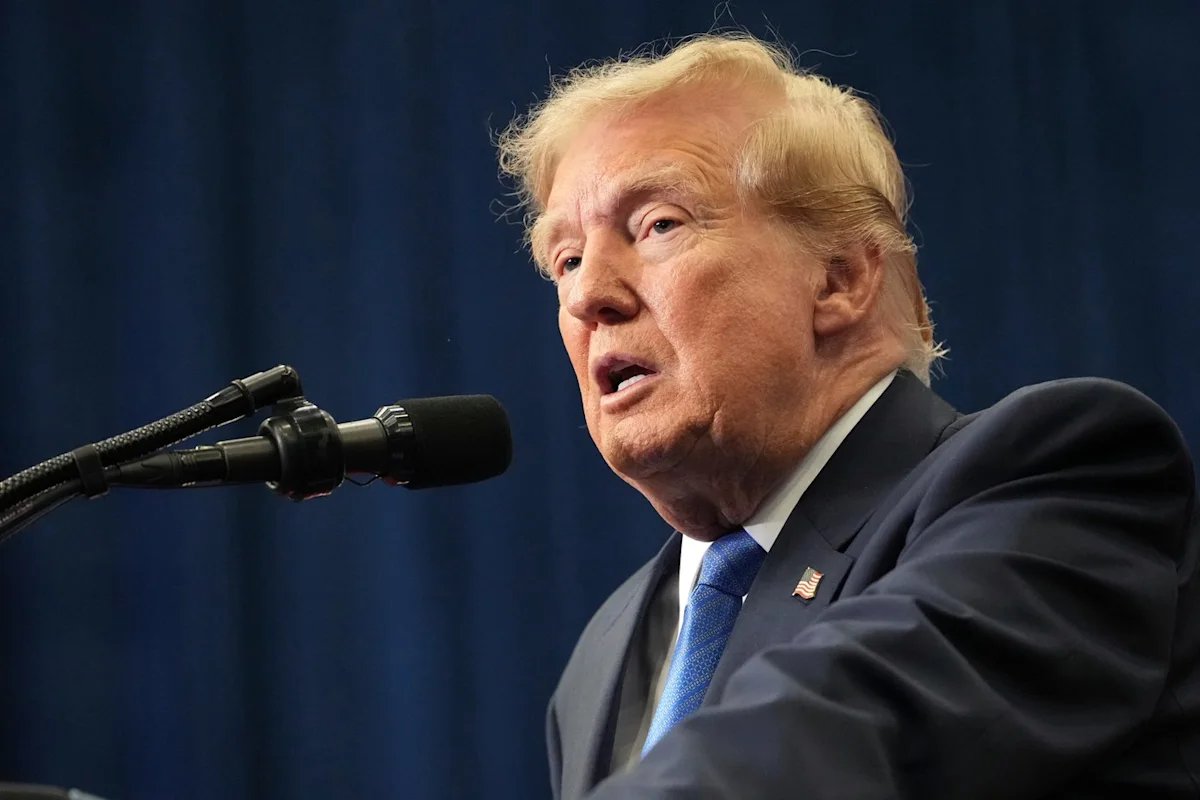
President Donald Trump speaks during an event to present the Congressional Space Medal of Honor to Artemis II crew members, Friday, Aug. 28, 2026, at Johnson Space Center in Houston. (AP Photo/Mark Schiefelbein) – The Associated Press
Deaf dog is reunited with her owner after the devastating floods in Nepal
IE 11 is not supported. For an optimal experience visit our site on another browser. Now Playing Deaf dog is reunited with her owner after the devastating floods in Nepal…
Fed Chairman Warsh shows courage with Jackson Hole speech, defying political pressure, says Harvard’s Rogoff
Federal Reserve Chairman Kevin Warsh delivered exactly what Wall Street was clamoring for this week: drawing a line in the sand against inflation while offering clarity on how the central…


 dailynewsnblog