William Watson: Let’s see the last draft. Inquiring voters want to know


CANADA-US-TRADE-TARIFFS-CARNEY
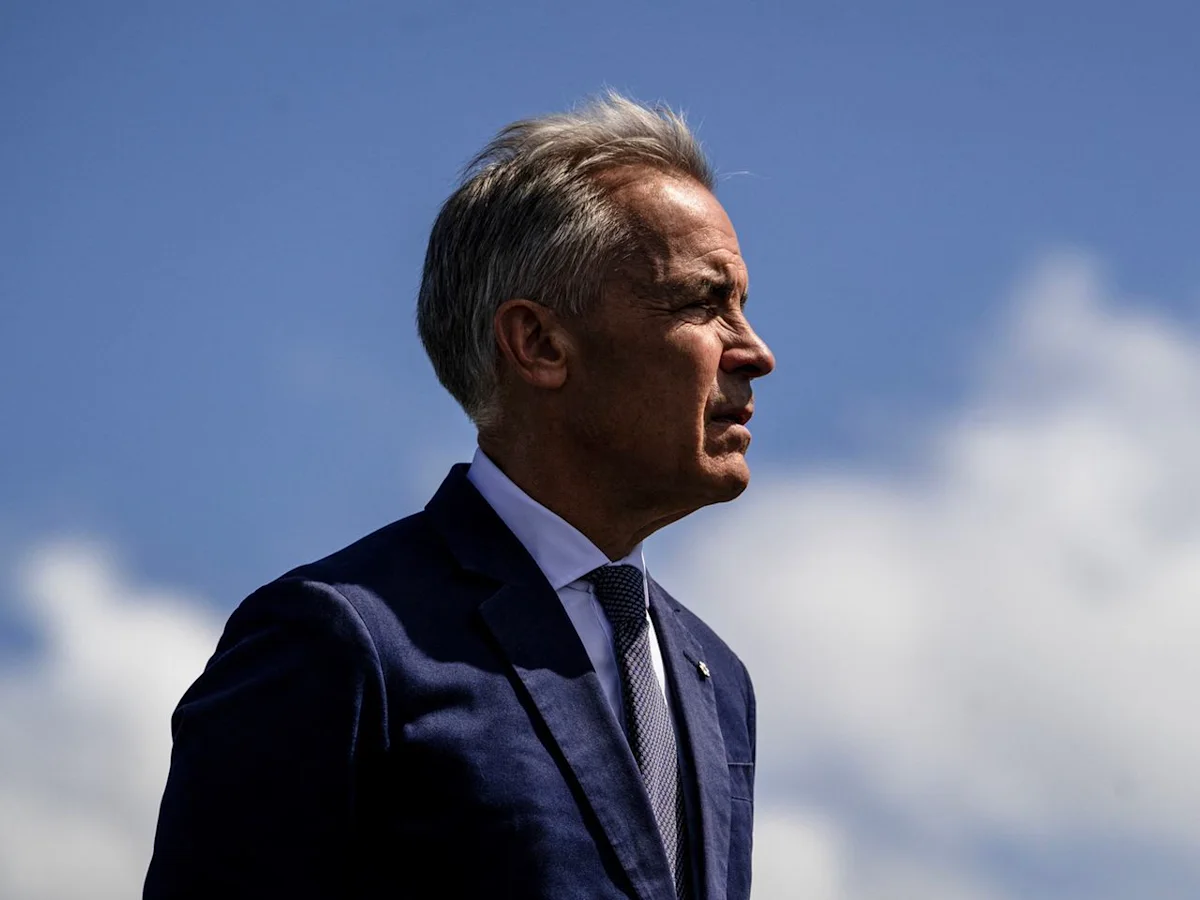
Is Mark Carney the fearless Trump-defier poll numbers suggest many think he is? Or is he a not extraordinary politician jostled by interests he is unwilling to challenge? (Credit: ANDREJ IVANOV/AFP via Getty Images)

Regarding the aborted negotiations for a renewed Canada-U.S. trade deal, former Quebec premier Jean Charest argues Ottawa shouldn’t have to negotiate in public.

Easy for him to say. Charest is a member of Dominic LeBlanc’s advisory committee on Canada-U.S. relations (which probably needs to add a psychiatrist or two, including a child psychiatrist, after this week’s Canada-U.S. name-calling). He was briefed on the negotiations as they were happening, unlike ordinary Canadians, who had to be satisfied with LeBlanc’s empty talk — noise comes out but it’s content-free, a trick perfected during three decades in Ottawa. It’s the default position of insiders that outsiders don’t need to know.

Plus: Charest is also a lawyer and nothing I’ve seen or heard says legal services were on the table during the talks. Just the opposite, talks always generate demand for such services. Well-compensated lawyers queue before the table.

In general, we in the press overdo the importance of transparency. We want maximum disclosure regarding everything governmental — OnlyFans for public affairs, as it were. Acquaintances in the federal government tell horror stories about the gobs of time spent on freedom-of-information requests. FOIs do sometimes dredge up exquisite examples of idiocy, but public service productivity is a big enough problem that the bar for diverting government employees from their normal duties needs to be set high.

Nor do journalists or even commissions need access to the emails and telephone transcripts of government officials going back and forth over what to do with a given problem or policy. We want people in government to be able to communicate with each other without using code or hand signals or having to whisper to each other on park benches.

The thing about talking “in confidence” is that you’re confident enough to speak plainly. Yes, the way real human beings converse with one other often does look appalling in print. But it gets the communication job done. By contrast, walking on eggshells is difficult, slow and can leave important points unstated. Titillation aside, we have no need to see the details of the sausage-making. Just judge the sausages.

That’s also true in international negotiations. Deal-makers have to be frank with one other, explaining why things can or can’t be done. We don’t need to see every cut and thrust, every parry and lunge. That can all be very interesting, especially for specialists, but if a deal results, we can judge its merits. If you’re making a movie or writing a novel or are a historian 50 years hence, you want the sordid details. But for democratic purposes, what matters is the final product.


That’s only possible, however, if there is a final product. In the case of last week’s failed trade talks, we’ve got nothing. Mr. Carney says we walked away because the U.S. went after our sovereignty, our culture and our key industries and he and his government had to stand up for Canada — courageously, he might add — and leave the final offers on the table. (In fact, the truly courageous thing would be trying to sell an imperfect deal, which is the only deal we’re likely to get from this president.)

The prime minister wasn’t wearing a cowboy hat during last Saturday’s post-rupture remarks and press conference, so you might assume he’s telling the truth. (By contrast, he was in full Calgary Stampede regalia when this former head of not one but two globally important central banks inadvertently misstated the in fact rather simple new financial terms of a Gordie Howe Bridge deal that Donald Trump extorted from us at the last minute. Hats apparently restrict blood flow to the brain.)

Not to question Carney’s integrity, but he has a strong interest in our buying into his truth, to use a term Liberal identitarians would favour, while the rest of us would like to know the truth. The Americans supposedly asked too much and gave too little. Well, what exactly did they ask and give and why were they, respectively, too much and too little? What were they offering early in the week, when it seemed we were heading toward a deal? And what changed? Did the U.S. really get more difficult? Or did the premiers rebel, as some reporting, possibly fuelled by self-serving provincial leaks, seems to suggest?

The government obviously knows what went on. So does the Trump administration — though, given its history, what it knows may be quite different from what it’s saying. Canadians would like to know, too. Was killing the talks really a profile in Carney courage? Or was it a case of caving cravenly to culture-industry lobbyists or Quebec dairy farmers in advance of key byelections and a provincial election? How big were the requested concessions on supply management or wine-labelling or French-movie promotion? And how costly are these things, really?

Inquiring voters want to know: Is Carney the fearless Trump-defier this week’s poll numbers suggest the country seems to think he is? Or is he a not especially extraordinary politician jostled by interests he is unwilling to challenge?


Source link

  • Related Posts

    Why AI could be a game ghanger for housing

    Why AI could be a game ghanger for housing Source link

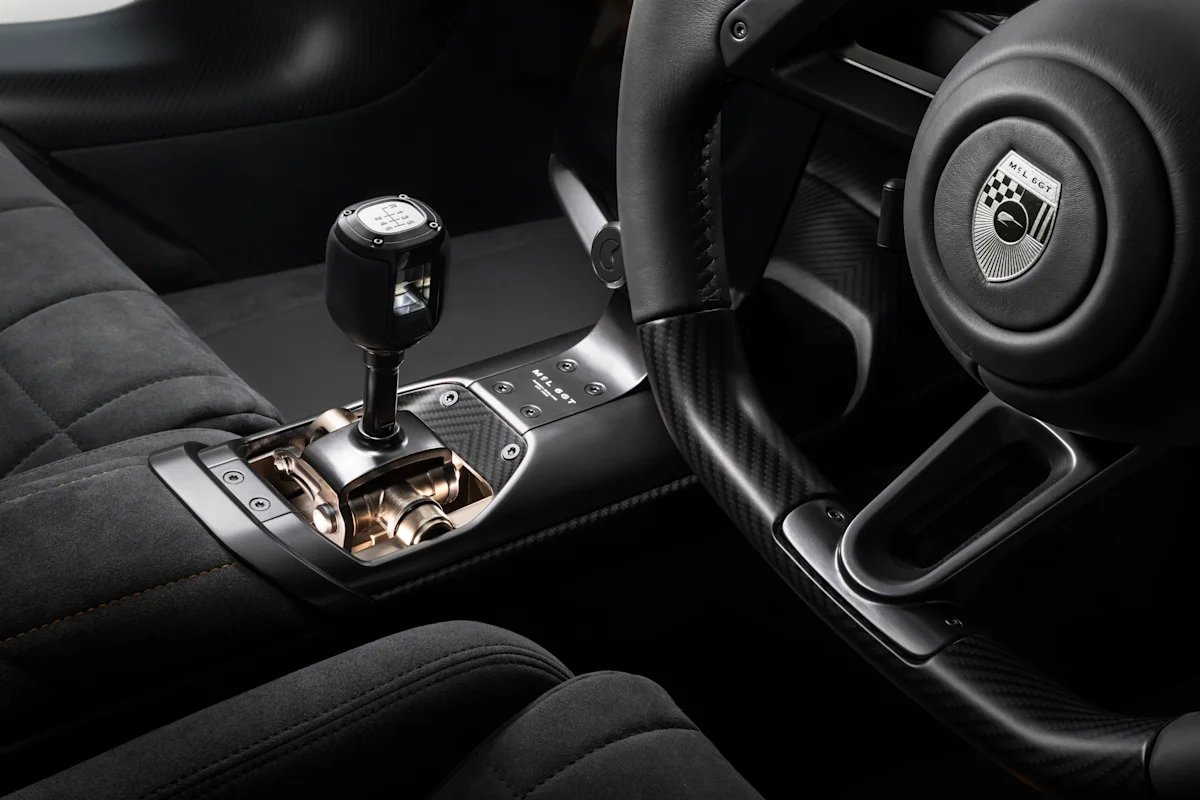
    The manual transmission is back — but only for the supercar

    PEBBLE BEACH, Calif. – As I strolled the big car shows and visited the various brand villas during Monterey Car Week in mid-August, trends converged.  Auction prices for modern supercars…

    Leave a Reply

    Your email address will not be published. Required fields are marked *

    You Missed

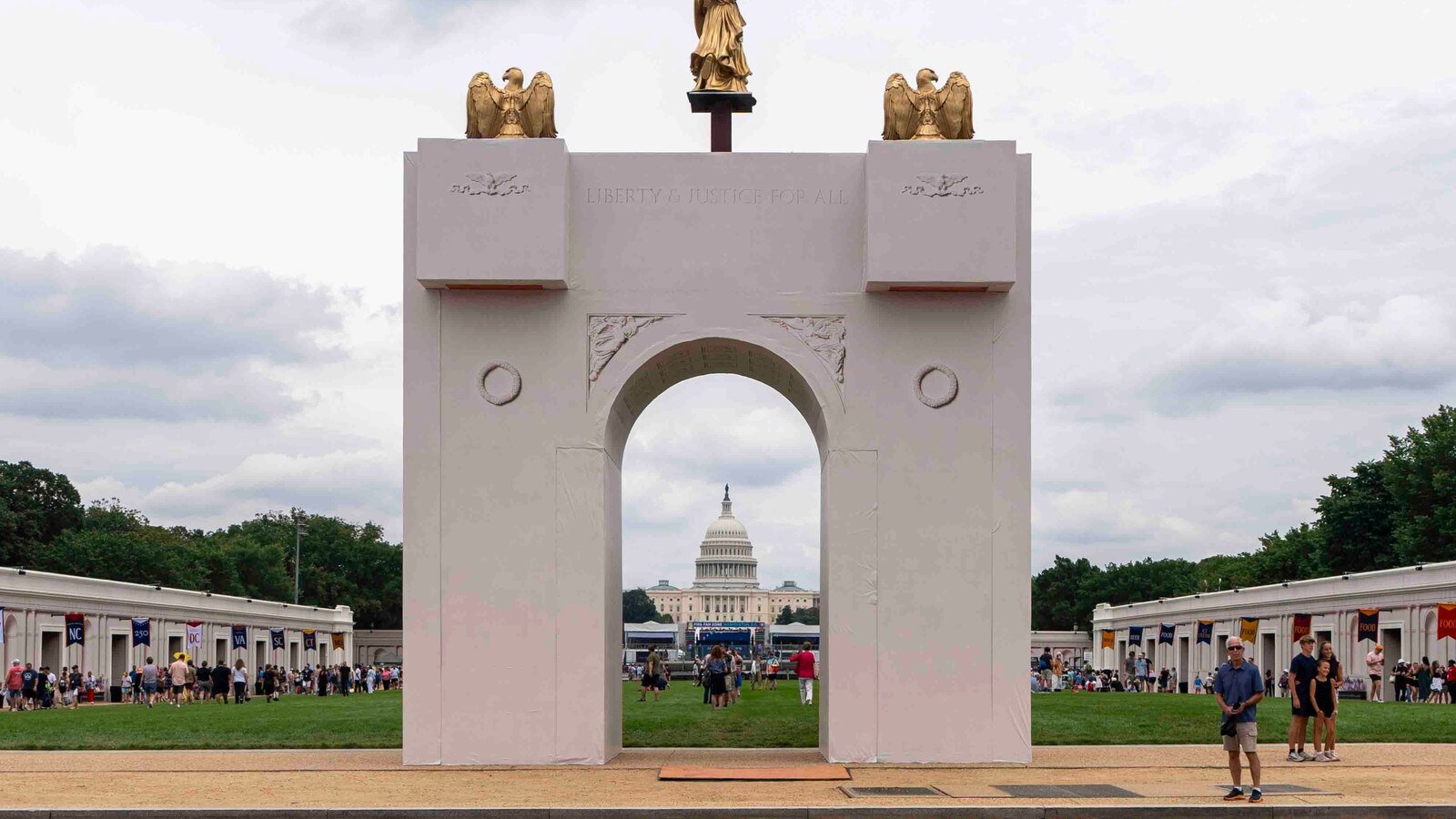
    National Park Service backs Trump’s arch, despite its impact on Washington’s sightline

    National Park Service backs Trump’s arch, despite its impact on Washington’s sightline

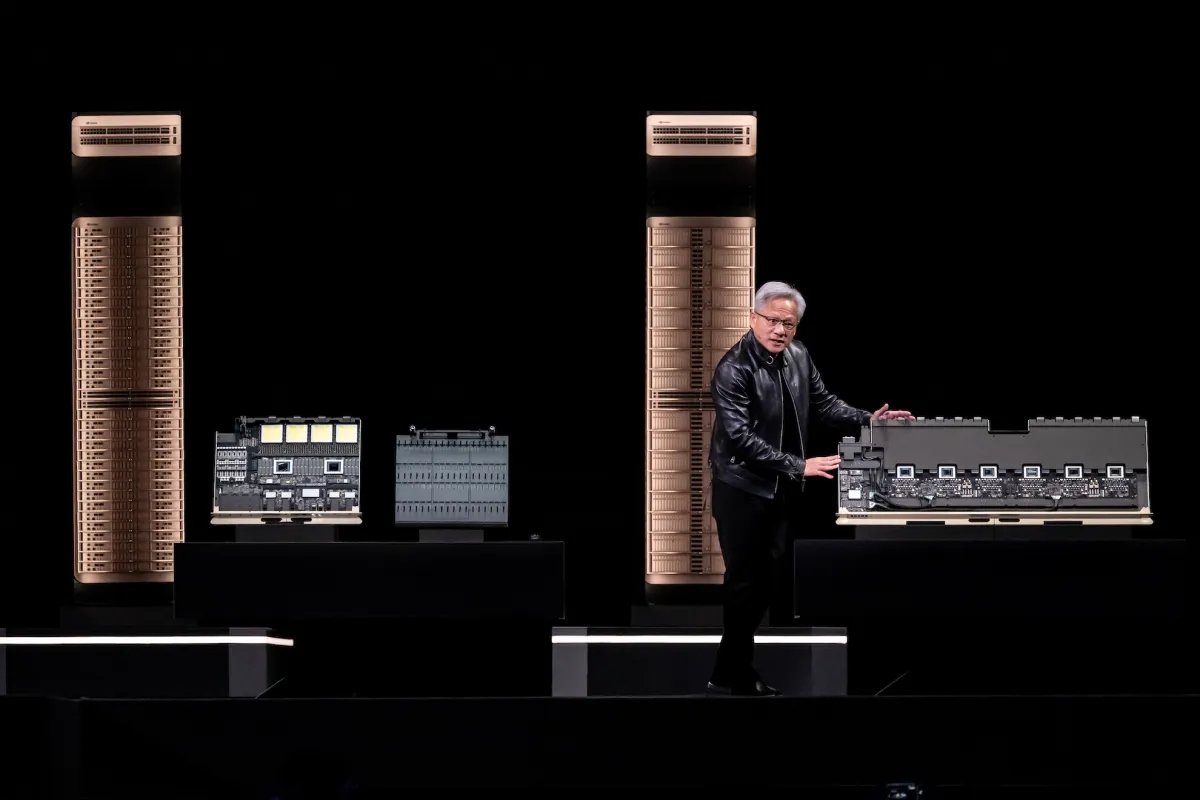
    Nvidia’s AI advantage is moving beyond the GPU

    Nvidia’s AI advantage is moving beyond the GPU

    Qantas to retire Airbus A380, reveals new business suites

    Qantas to retire Airbus A380, reveals new business suites

    Fantasy football rankings 2026: Top sleepers, breakouts, busts by model that hit Daniel Jones’ surprise year

    Fantasy football rankings 2026: Top sleepers, breakouts, busts by model that hit Daniel Jones’ surprise year

    How Two Bespoke Shoe Designers Made Dolly Parton’s Shoes Sparkle

    How Two Bespoke Shoe Designers Made Dolly Parton’s Shoes Sparkle

    Noncitizen voting claims animate Trump’s attacks on midterms and set up potential result challenges

    Noncitizen voting claims animate Trump’s attacks on midterms and set up potential result challenges