dailynewsnblog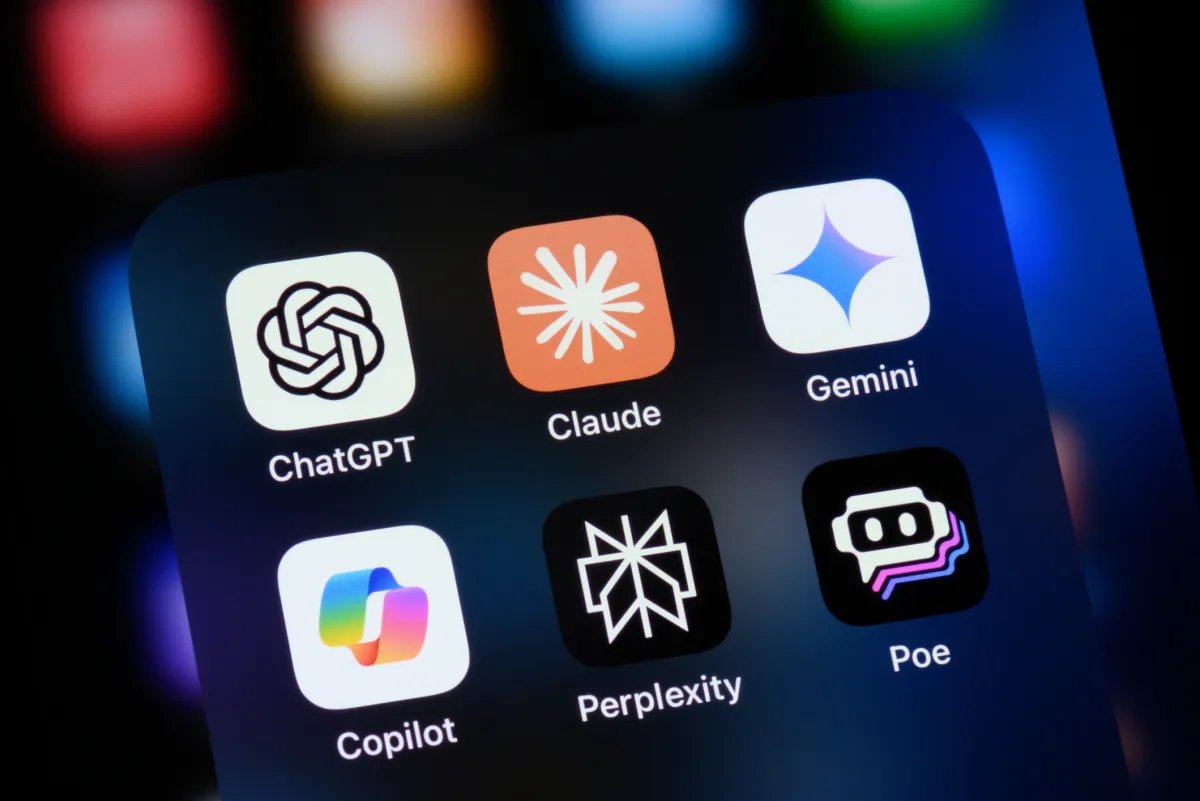
Over a hundred tech companies — including OpenAI, Anthropic, Google, and Microsoft — have signed an open letter urging both the private and public sectors to work together to defend themselves from AI-related cyber threats.
The letter — which was also signed by prominent cyber firms like CrowdStrike, Okta, and Fortinet, as well as prominent financial institutions and internet infrastructure firms — calls for the adoption of new forms of cyber defense, while also encouraging governments at the “local, national, and international levels” to collaborate on security.
“In the coming months, AI-enabled cyber attacks will become far more widespread and sophisticated as models around the world become increasingly capable,” the letter states. “The companies and public services our communities depend on — from hospitals to water treatment plants to the infrastructure that powers the internet — are at risk.”
The problem AI poses to traditional cybersecurity defenses has been thrust into the spotlight lately by a string of bizarre incidents in which AI agents have attacked companies.
The Hugging Face incident — in which one of OpenAI’s agents autonomously broke out of its sandboxed environment and attacked the tech company — has been followed by a trail of other reported break-ins involving agents developed by other AI companies, including Anthropic and Meta. These incidents have bolstered the argument that the field of cybersecurity has been fundamentally altered and that bold new commercial solutions are necessary to mitigate them.
The letter further suggests the mobilization of a “collective response,” one in which “new partnerships” are formed “to raise security standards and find new solutions to emerging cyber threats.”
Several of the AI companies that have signed the letter are still actively developing ever more advanced AI models, highlighting their conflicted position. At the same time, they are also offering programs to use frontier AI models for defensive purposes, including OpenAI’s Daybreak program, Anthropic’s Mythos, and Microsoft’s new cyber platform Perception.
When you purchase through links in our articles, we may earn a small commission. This doesn’t affect our editorial independence.