dailynewsnblog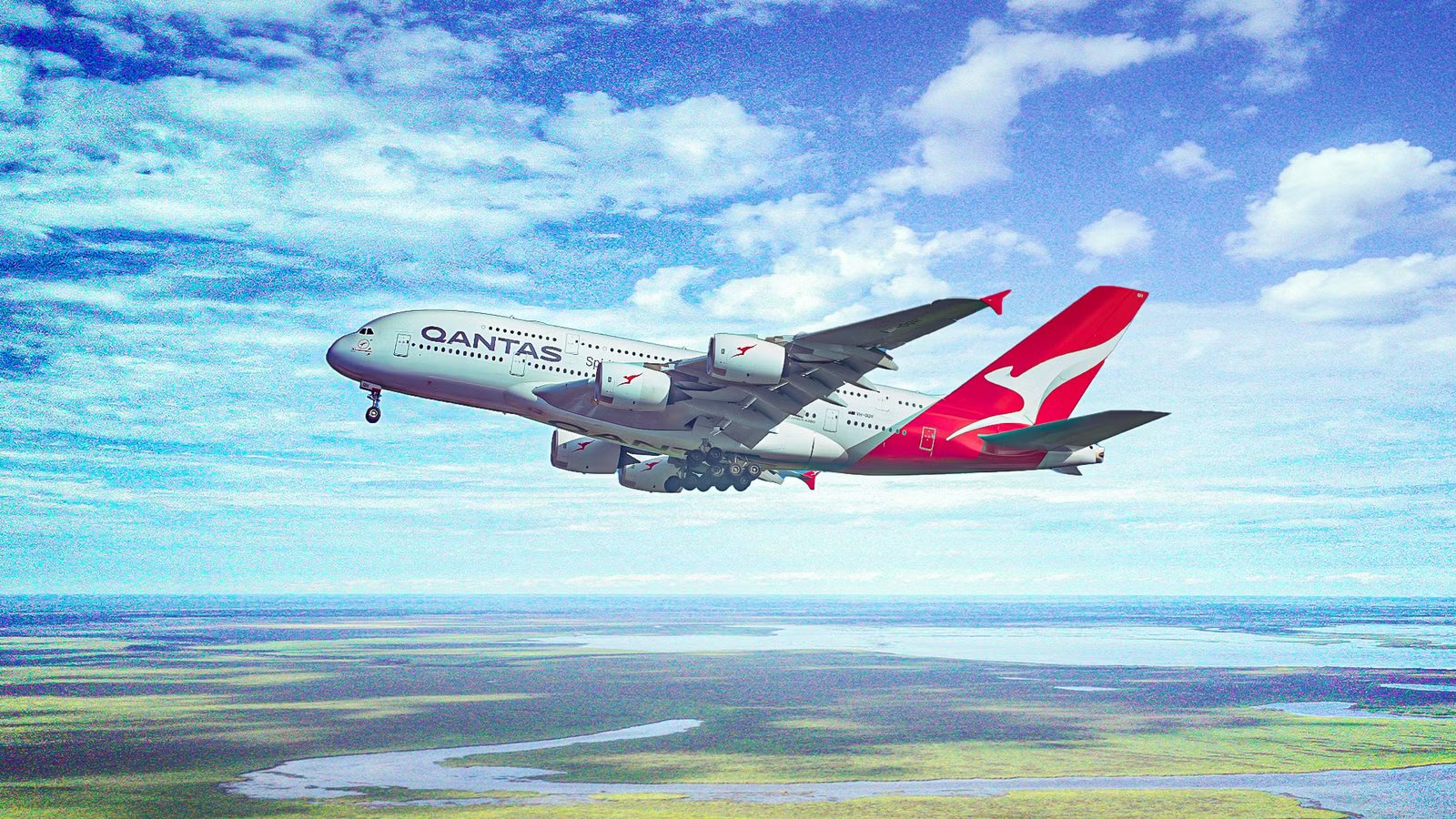
As the toll of Operation Epic Fury continues to exact a high price on the global aviation industry, the latest casualty is the Airbus A380 superjumbo fleet of Australian flag carrier Qantas. The airline reported a hit of 14% to profits this year as a result of the fluctuating cost of oil, according to Reuters.
Since the beginning of OEF, the cost of a barrel of oil has surged from $20 to as high as $120 at peak times. To mitigate the financial burden, Qantas has decided to move up the retirement date of its A380 fleet by four years and is in negotiations for replacement A350 and Boeing 787 widebodies.
Australia’s Superjumbos Go Out To Pasture

Qantas originally planned to begin phasing out its ten A380-800 double-decker jetliners in 2032. That has been rescheduled for 2028, which follows on the arrival of the first A350-1000s next year. In order to prevent a gap in capacity, Qantas is in negotiation with Airbus to convert some of its options into firm orders for additional A350-1000. It is doing the same thing with America’s iconic plane maker, Boeing, to secure a faster delivery rate of 787 Dreamliners.
The out-of-production status of the A380 means that both regular maintenance and the cost of unexpected scheduling disruptions are climbing steeply every passing year. Qantas is feeling this strain directly, as 20% of its active fleet is down. One hull has been sidelined unexpectedly, after being stuck in London awaiting an engine change since July 3, according to Aviation Shop. Another was recently sent to Dresden, Germany, for heavy maintenance, which is expected to last for months.
At an average age of 17 years old, these superjumbos are entering a phase where the reality of keeping them airborne is making the iconic plane more a financial liability than an asset. Executive Traveller quoted Qantas Group CEO Vanessa Hudson:
“That aircraft has been incredibly valuable to the group… and also with customers. [It] is an older aircraft, and so the cost of those aircraft [and] the costs of disruptions that will come are also going to increase.”
Project Sunrise & Modernizing The Qantas Fleet

In addition to the A380s, Qantas is utilizing this crisis to simultaneously begin phasing out its 30-strong fleet of aging Airbus A330 legacy twin-aisles. To resolve the capacity gap created by accelerating its fleet retirement, Qantas has entered urgent negotiations to convert roughly 20 aircraft options into firm orders with deliveries starting from 2030.
While the carrier has high confidence in its near-term delivery schedule, the first batch of 12 A350-1000ULR jets will be dedicated solely to the Project Sunrise program. The new nonstop route from Sydney to London and New York will be the longest commercial air route in the world when it launches.
Given that the planes are specially configured for this mission, they will not be available to take over the A380 or A330 routes. The timeline mismatch and smaller airframes create an unavoidable period of strained capacity. Estimates project that the combination of lower seat supply and sustained fuel costs will force ticket prices up by roughly 10% on international long-haul routes.
The Cost Of The Double-Deckers’ Demise

In its latest forward-looking financial plan, Qantas expects revenue per available seat kilometer to climb by 8% to 10% across international operations. Because RASK acts as an industry yardstick for average passenger yields, this metric directly translates to a matching hike in average ticket prices, according to Stocks Down Under.
One of the major price drivers is bottlenecks in deliveries of jets that are already in the works. Airbus has delayed the highly anticipated, ultra-long-haul A350-1000ULR aircraft by nearly half a year, pushing the first deliveries back to April 2027. Simultaneously, the incoming A350-1000 will hold just 238 passengers, compared to the A380’s 485, a massive 51% drop in total capacity per flight.
This leaves Qantas with flat international capacity growth at a time when global demand for travel avoiding the Middle East is at an all-time high. Aviation Shop reports the carrier is completely removing the A380 from the Melbourne-to-Los Angeles leg and downscaling Sydney-to-LAX frequencies. Flying passengers on smaller planes drives up fares even if they are more fuel-efficient, as many operational costs remain constant.