dailynewsnblog
The problem with the AI restructuring is the AI wasn’t good enough.
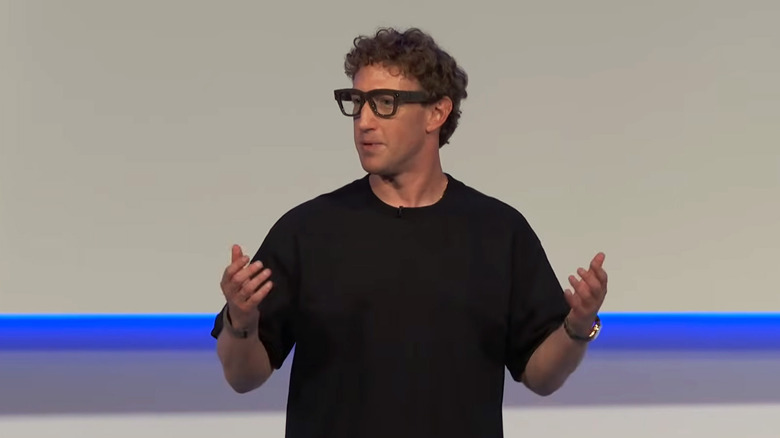
Sometimes, AI-driven restructuring goes about as well as an AI-assisted legal brief. Reuters reports that Meta spent much of this year testing a plan in which AI would take over many of the workforce’s daily tasks. Dubbed Project OT, the plan appears to connect two stories from earlier this year: Meta’s 10 percent workforce reduction and the company’s program that tracked employees’ mouse movements and keystrokes.
Meta executives were reportedly influenced by startups, including some they observed in Asia, that had structured themselves around AI. At an annual leadership retreat in January at Mark Zuckerberg’s Hawaii estate, executives laid out an “AI native” vision for the company. AI agents would be overseen by smaller “pods” of human employees. Engineers, designers, product managers and other specialists would increasingly transition into general-purpose “builder” roles. Middle-management layers would shrink, and “agent-assisted analysis” would help determine day-to-day priorities.
Executives considered reducing some teams’ headcounts by as much as 60 percent. Layoffs would make up part of the reduction, along with eliminating open positions and pushing out workers the company saw as lower performers. One HR executive projected the reduction to be at least as large as the company’s 2023 cuts, which shaved 25 percent off its workforce.
In its original form, Project OT (short for “Organization Transformation”) reportedly included a second wave of layoffs in November. CEO Mark Zuckerberg ultimately abandoned (or at least paused) that part of the plan, for reasons Reuters didn’t uncover. Meta acknowledged that there was initially a second plan, while framing the more aggressive cuts as merely scenarios that were under consideration.
When the technology can’t keep up
One reason for the change of heart may have been that Meta’s internal AI push wasn’t going so hot. On one hand, the company’s data showed that code changes to Meta’s AI software platforms and infrastructure were up 220 percent year over year. But that didn’t translate into equally dramatic productivity gains: new or improved features that actually reached users rose just 36 percent. And advancements in those areas were offset elsewhere, as the number of technical and security incidents rose 40 percent. The time employees spent on those problems grew by 70 percent.
In July, Zuckerberg appeared at a company town hall and admitted that he overestimated how quickly the technology would advance. He told staff that the “trajectory of the agentic development over at least the last four months hasn’t really accelerated in the way that we expected,” and that the company’s investment in AI agents hadn’t “come to fruition yet.”
Meanwhile, there was the tracking software that the company installed on US employees’ computers. Surprisingly, capturing workers’ mouse movements and keystrokes to train their eventual AI agent replacements didn’t go over so well. Complaints flooded Meta’s internal communication network, employee-sentiment scores fell by 19 points and labor-organizing efforts grew.
Combine the weaker-than-expected AI results with the worker backlash, and perhaps it isn’t such a mystery after all why Zuckerberg pulled the plug on that second wave of layoffs.
Still, Reuters says that Meta hasn’t necessarily abandoned the broader plan. Zuckerberg’s messaging about further layoffs only reassured employees that further “company-wide” cuts wouldn’t happen “this year,” sparking internal fears about smaller reductions this year or broader ones in 2027. Smaller AI-assisted teams remain in use in parts of the company, and Meta is spending heavily on AI infrastructure. With investors wondering when those investments will bear fruit, Zuckerberg will be under pressure to show tangible gains tied to it.