dailynewsnblog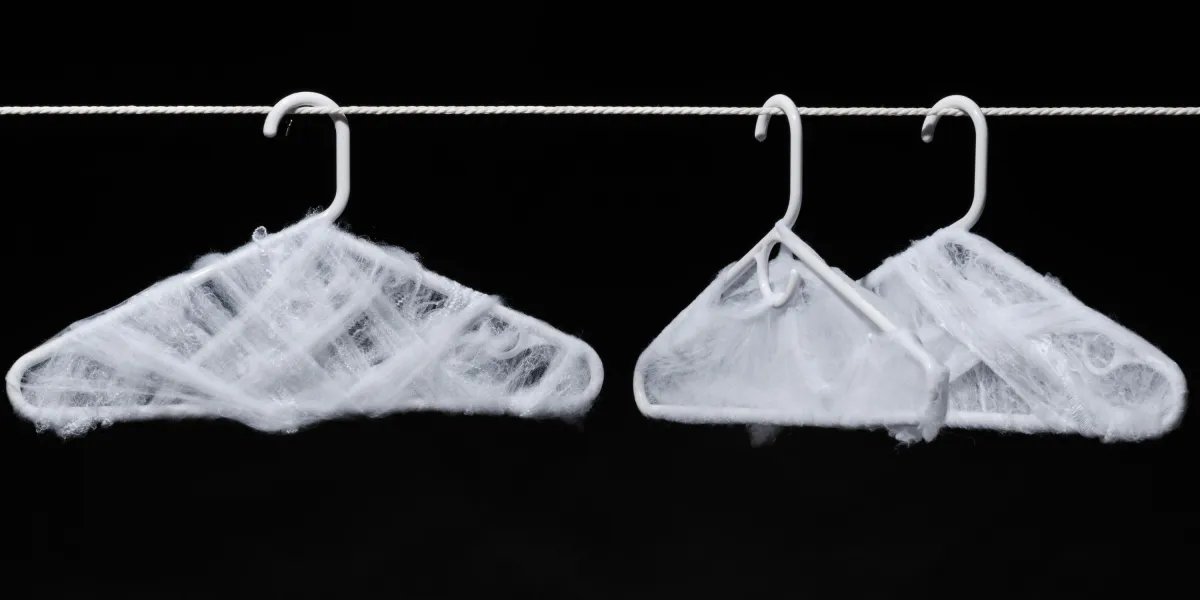
More recently, they’ve uncovered an eDNA gold mine: spiderwebs. The naturally sticky stuff traps material from its arachnid creators, crumbs from their suppers, and, crucially, bio-detritus like saliva and pollen from nearby plants and animals. Every living thing, it seems, sheds copious DNA all over the place, including into the air, and webs then easily ensnare it. “It’s probably one of the best substrates we’ve used and tried to date,” says Joshua Newton, a molecular ecologist at Curtin University in Perth, Australia, who’s sampled flowers, streams, hollows of dead trees, and even filters on moving cars to study vertebrate populations.
Newton recently compared the biological diversity in spiderwebs with that found in other sources—including vegetation swabs, water, soil, and a fan outfitted with a filter—near a zoo and wildlife sanctuary outside Perth. Each had its obvious strengths: The vegetation swabs revealed more forest mammals, and the water samples identified more fish. But no passive tool matched spiderwebs’ ability to ID vertebrates, echoing results from a similar study conducted in France.
Here’s where things get sticky: To gather meaningful data, they had to destroy about 40 webs. “It kind of goes against everything that we’re trying to do if we’re collecting the home of an organism,” Newton says.
Fortunately, his research caught the attention of Angela McGaughran, a genomicist at New Zealand’s University of Waikato. She bought a bag of faux webs from her local Halloween store, wrapped a few coat hangers, and hung them outside. The synthetic material snagged eDNA from nearby cows and sheep, as well as from exotic birds at a nearby aviary. It also detected fungal spores better than real webs—a boon for plant pathologists watching for agricultural threats. Her group is now developing larger experiments to see whether artificial webs can unlock a cheap and ruthlessly efficient way to mimic spiderwebs’ DNA-snagging superpowers anywhere and everywhere.
Stephen Ornes is a science writer based in Nashville.