dailynewsnblog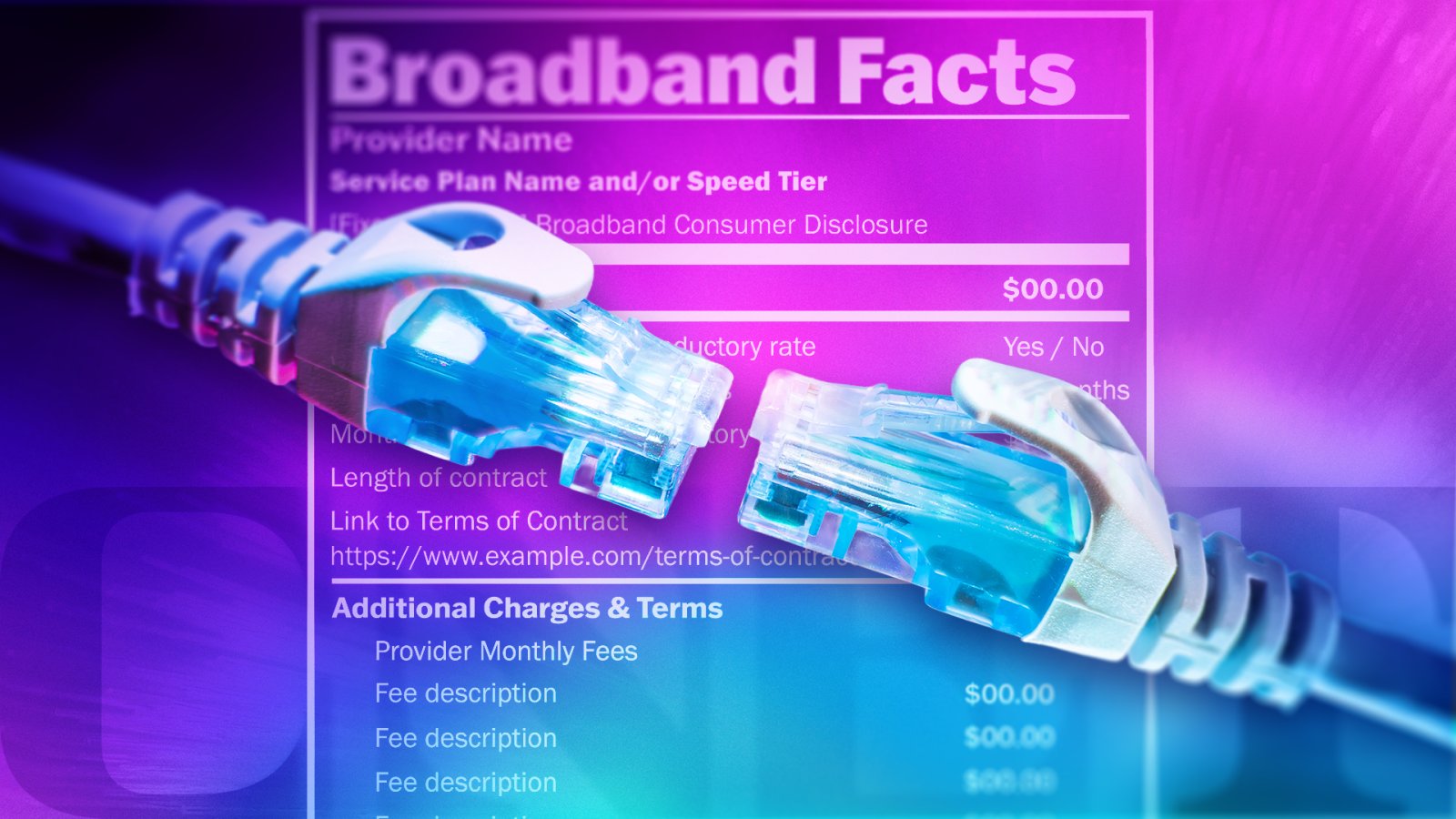
 Cole Kan/CNET/FCC/Adobe
At CNET, we believe you deserve clear and transparent information about your internet service provider options. During our rigorous evaluations, we found that not all ISPs offer that. Some providers offer clear pricing and terms with no hidden fees or surprise price hikes. Some offer long-term price locks. Others bury the fine print or fail to meet modern consumer needs, such as Wi-Fi 7 router opt-out options.
Outlined below is our scoring framework for evaluating ISP performance in 2026. We combined quantitative data on each ISP’s cost-per-Mbps with actual test data on price transparency. We scored each ISP using qualitative insights into contractual fairness and real-world consumer sentiment collected by CNET’s 2026 People Picks ISP survey.
We spent almost two months combing through the fine print, evaluating and scoring 31 ISPs so you can make a better, more informed decision on your home Wi-Fi needs.
CNET best ISPs 2026 scoring methodology overview
The final score for an ISP is a weighted average of the following four components:
In situations where an ISP did not have sufficient data from the CNET People Picks survey, we weighted those ISPs using a 60/20/20 versus a 50/20/20/10 like this:
Value score / price index (50% weight)
This is the most significant factor, measuring the service’s cost efficiency based on cost per Mbps. Cost per Mbps (Megabits per second) is a metric used to evaluate an internet service provider’s overall value by dividing a plan’s monthly subscription cost by its advertised bandwidth. It is important because it normalizes pricing across varying speeds and providers, giving consumers a clear, apples-to-apples comparison to determine how much speed they are actually receiving per dollar spent.
We collected all our price and speed data directly from provider websites. We scoured advertised plans, cross-checked them against broadband facts labels and picked up the phone to call if there were any gaps or unanswered questions online. We also correspond via email with an ISP press contact when we needed clarification if a customer service representative couldn’t provide a clear answer.
We didn’t consider DSL plans in our evaluations. Our point of view is that the technology is outdated and nearly obsolete. While we acknowledge that DSL might sometimes be the only internet option available to you, we believe you’d still be better off with a 5G or satellite service in terms of cost, speed and value. Some ISPs we evaluated offer both DSL and fiber connections under a single brand. In these instances, we evaluated only the fiber arm of the business.
Contract friction/extras fees score (20% weight)
This metric evaluates the fine print and consumer-friendly nature of the ISP’s terms, such as data caps, price locks, router opt-out options and hidden fees. The higher score went to the ISPs that allow the most flexible terms of service or have fewer hidden fees. We also awarded higher points if an ISP offers longer promotional price locks, which we believe are more cost-effective than attractive one-year promotions that usually double after the first year.
Price transparency test (20% weight)
This score assesses how easy it is for a consumer to find the actual prices, fees, contract terms and the FCC-required Broadband Facts label before purchasing. This matrix also captures how difficult it was for a human to locate promotional pricing terms and router/equipment charges.
Consumer satisfaction score (10% weight)
Derived from CNET’s People’s Picks Survey, this component incorporates direct user feedback and loyalty data to round out the technical and financial metrics. Satisfaction, reliability, price, and speed are all scored on a 1-to-5 scale where 1 is “hate it,” and 5 is “love it.”
Disclosure: RAMP
In the past, we’ve used AI assists on a small number of stories. For example, this guide to the best internet service providers in Bismarck, North Dakota, is one of 34 articles on CNET (a tiny fraction of the 10,000-plus new stories we produce each year) that used RAMP, an in-house AI tool, to gather speed, pricing and availability information from a proprietary database. A staff writer reviewed, fact-checked and added subject matter expertise to the AI’s drafted content, which was trained on CNET’s archive. On any articles that leveraged AI technology, we have included that information in a paragraph on the page. We have not published any new RAMP-assisted work since 2023.
Click here for more information on CNET’s current AI policy.

See full bio

See full bio