dailynewsnblog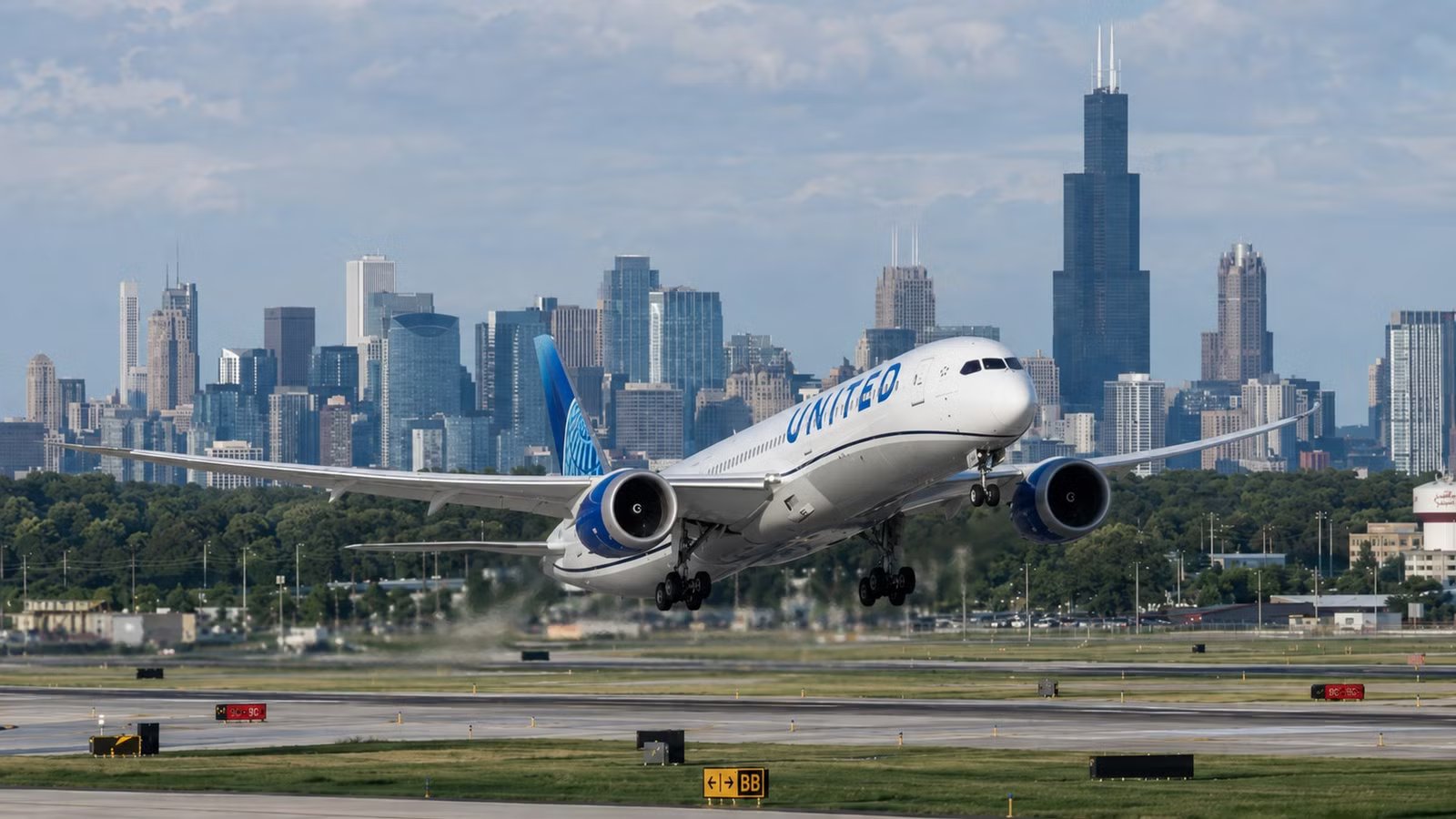
 United Airlines will begin service on 14 routes from
  Chicago O’Hare International Airport (ORD) in 2026, with the latest addition to Santa Fe, New Mexico, completing a varied expansion that stretches from small regional airports to
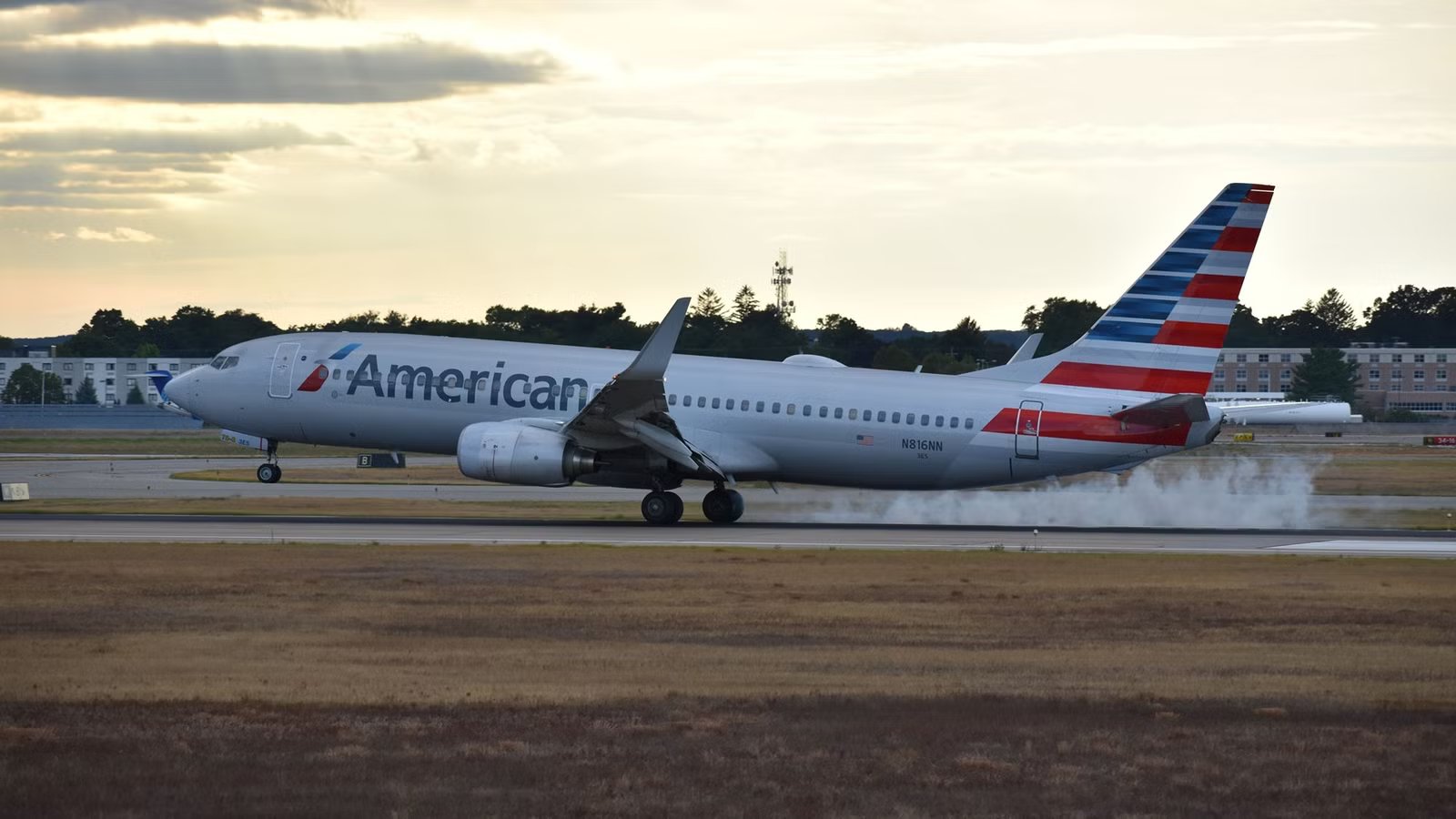
  Tokyo Narita Airport (NRT). The Santa Fe (SAF) route is particularly notable because the market had no nonstop Chicago service until American Airlines entered it in December 2025. United will now follow its rival, giving the ORD-SAF market two daily flights.
Further,  Hartsfield-Jackson Atlanta International Airport (ATL) remains the world’s busiest airport by passenger traffic, handling more than 106 million passengers in 2025, according to Airports Council International. However, ORD ranked first globally for aircraft movements, with more than 857,000 takeoffs and landings. O’Hare’s enormous flight schedule, including its extensive regional operation, helps explain how it leads the world by movements despite trailing Atlanta in passenger numbers.
Santa Fe Is Hosting A Chicago Rivalry

United’s planned Santa Fe service is the development that best illustrates how quickly a previously unserved market can become competitive. In December 2025, American Airlines then entered the Santa Fe market, restoring a direct link to Chicago. United is now set to follow with its own service in December 2026 with the Embraer 175, according to the latest schedule information shared by aviation analyst Ishrion Aviation.
That means a route that had no nonstop flights a year ago will now have two daily services, one operated by American and one by United. The competitive significance is difficult to ignore. American’s arrival demonstrated that the Chicago-Santa Fe market was worth serving, while United’s decision to enter ensures that neither carrier will have the route to itself. For United, O’Hare also gives the airline a major advantage in selling connecting itineraries. Santa Fe passengers will not simply be traveling to Chicago, but can use the airport as a gateway to destinations across United’s domestic and international network. The competition is ultimately an extension of the fierce battle going on back at ORD.
Full List Of United’s 14 O’Hare Additions

The Santa Fe addition completes United’s list of 14 routes beginning from O’Hare during 2026. The count excludes Guadalajara, Mexico, which United served temporarily during June for the FIFA World Cup and is therefore not part of the airline’s broader 2026 expansion. United’s 2026 O’Hare additions are spread throughout the year and include both newly launched services and returning routes. Several destinations were previously served from Chicago, meaning the expansion should not be viewed as 14 entirely new markets.
United’s 14 New ORD Routes in 2026 | ||
|---|---|---|
Destination | Airport Code | Launch Month |
Santa Barbara, CA | SBA | April |
Tokyo Narita, Japan | NRT | October |
Lancaster, PA | LNS | June |
Paducah, KY | PAH | February |
Lynchburg, VA | LYH | March |
Clarksburg, WV | CKB | April |
Kearney, NB | EAR | April |
Shreveport, LA | SHV | October |
Owensboro, KY | OWB | October |
Idaho Falls, ID | IDA | May |
Monterey, CA | MRY | May |
Cody, WY | COD | May |
St. George, UT | SGU | May |
Santa Fe, NM | SAF | December |
Kearney is one of the additions that demonstrates the range of airports included in the network expansion. The City of Kearney approved United Express service between Kearney Regional Airport (EAR) and O’Hare, and flights began on April 30, 2026, restoring Chicago connectivity to central Nebraska. At the opposite end of the spectrum is Tokyo Narita. United has already announced daily, year-round service between O’Hare and Narita beginning in October, adding another important Asia route to its Chicago network.
Small Airports And Tokyo Show The Two Sides Of United’s Strategy

The 14 routes reveal that United is expanding O’Hare in two very different directions. Most of the additions involve smaller cities that can benefit from access to one of the world’s largest connecting hubs. Airports such as Paducah, Lynchburg, Kearney, Owensboro, and Clarksburg do not need to generate enough passengers traveling solely to Chicago to support the service. Their value to United comes partly from the connections available beyond O’Hare. That is the advantage of the hub-and-spoke model. A passenger boarding in Kearney can connect through Chicago to another US city or an international destination, allowing United to aggregate demand from numerous smaller markets into its broader network.
Loading map…
Drag to explore
Narita represents the other side of the strategy. The Japan route strengthens the airport’s long-haul network and provides Chicago-area travelers and connecting passengers with another transpacific option. Santa Fe sits somewhere between those two approaches, but its immediate competitive dynamic makes it the most interesting of the 14 additions.
That progression is what makes United’s latest O’Hare expansion more than a simple list of destinations. Some routes reconnect smaller communities to a global hub, some restore previously operated markets, and one adds a major international destination. Santa Fe, however, provides the clearest story: in the space of roughly a year, the market went from zero nonstop Chicago flights to two competing daily services.