dailynewsnblog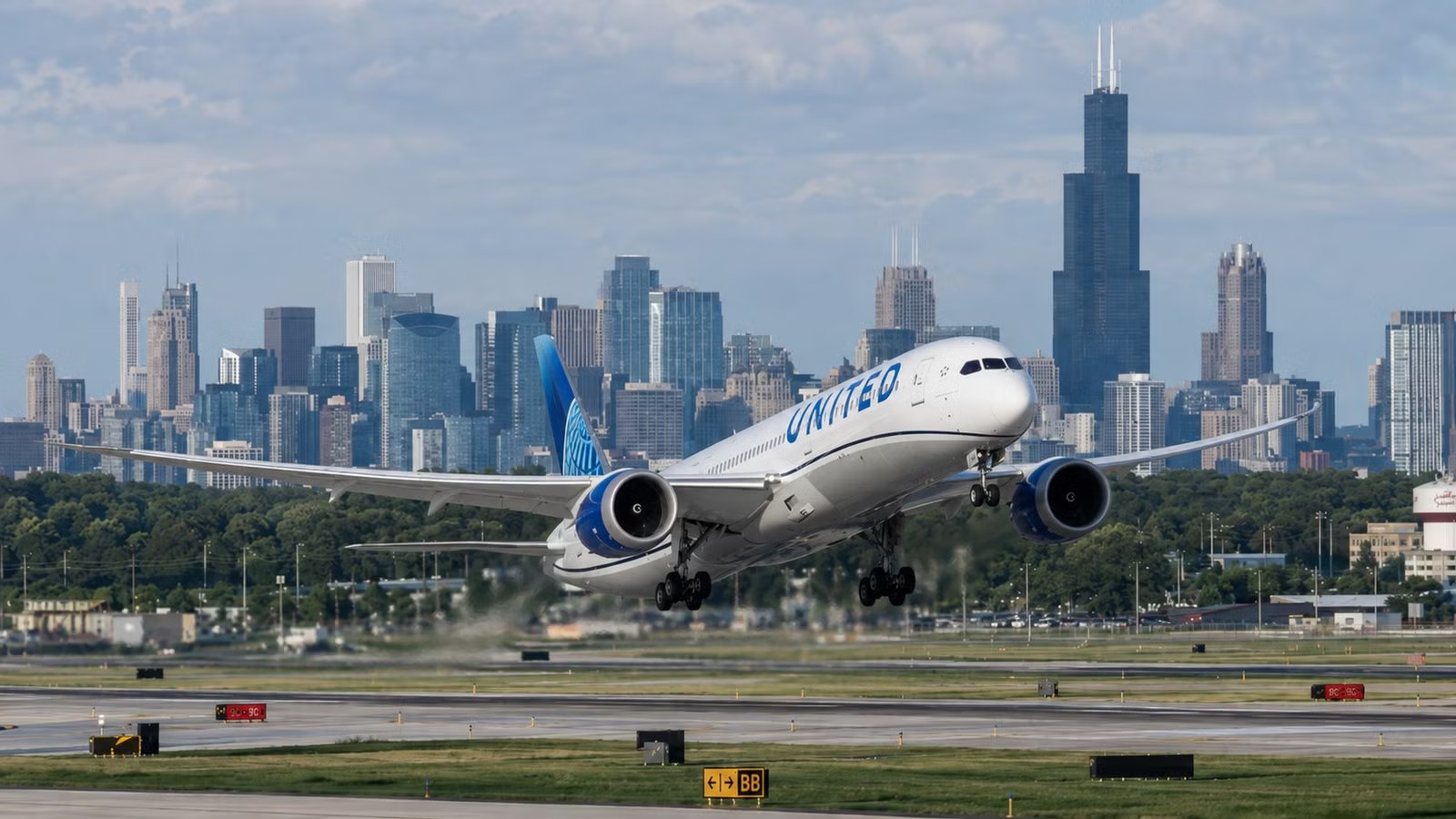
 Chicago O’Hare International Airport (ORD) is changing the construction sequence of its multibillion-dollar ORDNext redevelopment as the rapid expansion of
  United Airlines and
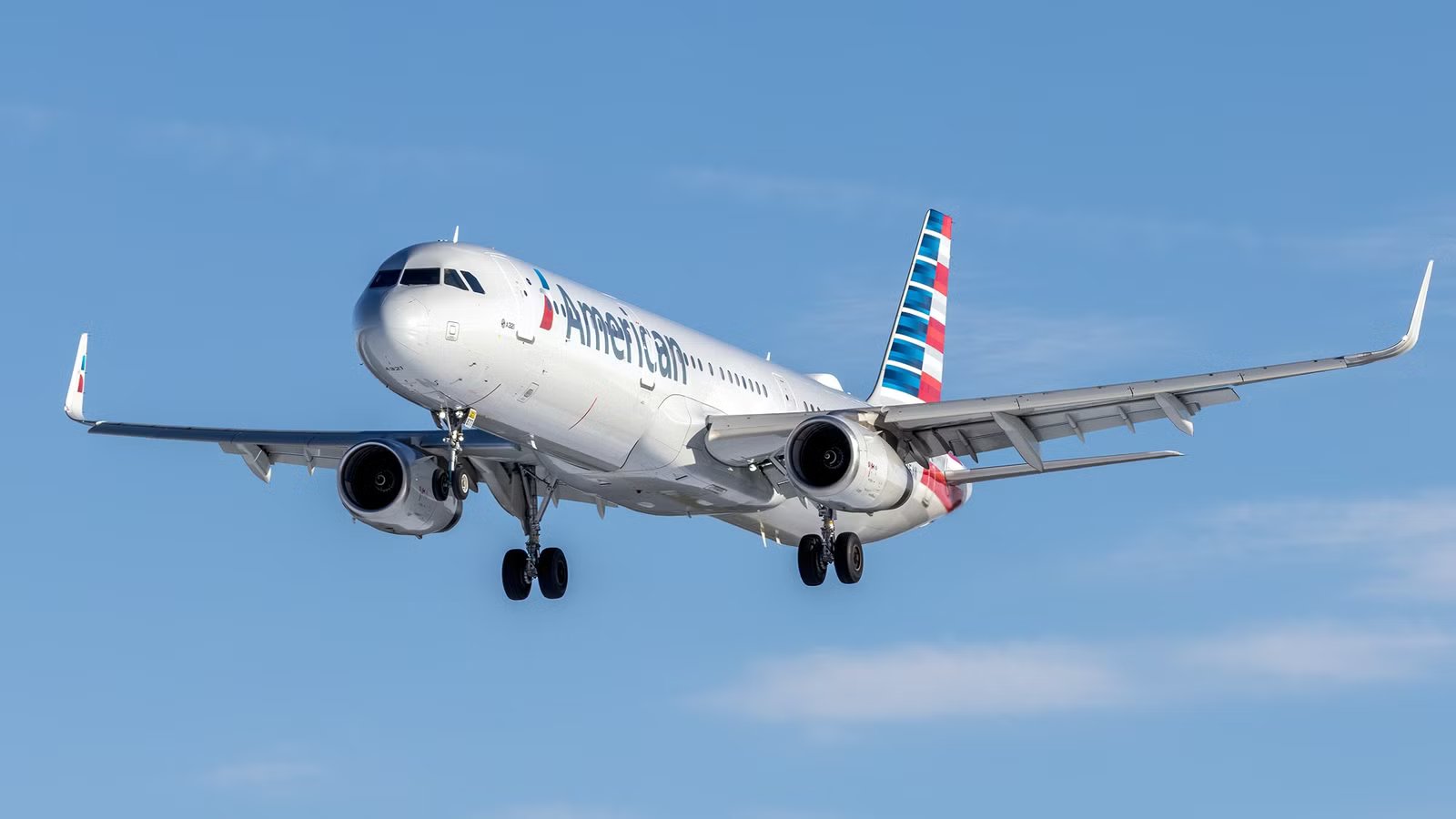
  American Airlines puts increasing pressure on the airport’s existing gates. Chicago will break ground later in 2026 on the first phase of the new Concourse E, opening 14 gates in 2030 before adding another ten by 2034.
The significant part is the timing: as recently as 2024, the Chicago Sun-Times reported that the timing of the second satellite concourse had been pushed behind the O’Hare Global Terminal amid concerns from the airlines about rising costs. Bringing part of Concourse E forward gives Chicago additional gates while the existing Terminal 2 is replaced by the centerpiece of ORDNext, the O’Hare Global Terminal.
How Chicago O’Hare Works Today

Everyone knows that O’Hare has long been one of the busiest airports in the world, and early this year, it eclipsed  Hartsfield-Jackson Atlanta International Airport (ATL) as the busiest by number of flights. But for those unfamiliar with the layout of O’Hare, it’s worth noting that the airport currently has four passenger terminals numbered 1, 2, 3 and 5, with a total of 199 gates. The missing Terminal 4 was a temporary international terminal from 1985 until 1993, when Terminal 5 opened and inherited the international role.
The Chicago Department of Aviation lists the 199 gates and the various operations of the airlines at ORD as split across the terminals and their respective concourses as follows:
Terminal | Concourses | Gates | Principal Role |
|---|---|---|---|
Terminal 1 | B, C | 51 | United’s primary terminal |
Terminal 2 | E, F | 43 | United and other domestic operations |
Terminal 3 | G, H, K, L | 75 | American’s primary terminal |
Terminal 5 | M | 30 | International/common-use operations |
Total | — | 199 | — |
United’s operation is centered on Terminal 1, but due to its massive presence at O’Hare, it also extends into Concourses E, F and G. Meanwhile, American is concentrated in Terminal 3, but doesn’t have access to all 75 of its gates. From October, United is due to have preferential use of 91 gates, compared with 66 for American, following the latest gate reallocation. That space itself has become a highly competitive battleground, with United and American having fought in court over O’Hare’s gate-allocation process as each carrier sought room to expand.
The redevelopment challenge becomes clearer when looking at Terminal 2. Its 43 gates sit between United’s main Terminal 1 operation and American’s Terminal 3, yet that is precisely where Chicago intends to build the new Global Terminal. This is the heart of the redevelopment around which a decade of construction work is pivoting.
The Shift in O’Hare’s Global Terminal Construction Order

ORDNext is designed to transform that central complex. The existing Terminal 2 will eventually give way to an O’Hare Global Terminal that is nearly twice its size, capable of handling both domestic and international flights for United, American and their alliance partners. Two new satellite facilities — Concourse D and Concourse E — will sit farther west and connect to the Global Terminal through an underground passenger tunnel.
(Note: Today’s Terminal 2 already contains a 16-gate Concourse E. But that structure will ultimately disappear with the old terminal, and the new Concourse E is an entirely new and separate satellite facility)
The first piece is already being built. The 580,000-square-foot Concourse D will add 19 gates and is scheduled to open in late 2028, with 18 positions capable of being combined into nine larger widebody gates. Chicago broke ground on the $1.3 billion project in August 2025, marking O’Hare’s first major new concourse in more than three decades.
But the order of construction projects became contentious as costs climbed, and the airlines that were set to foot the bill became increasingly nervous. In May 2024, United and American agreed to a compromise with Mayor Brandon Johnson after it was revealed that the expansion was around $1.5 billion over budget. Chicago would proceed with the first satellite concourse (D) and move the Global Terminal up the priority list. Construction of the second satellite (E) would follow only if sufficient funds remained. United said at the time that the Global Terminal was the “crucial piece” of the modernization.
That has now all changed. Under the revised schedule announced by the Mayor’s office, Concourse D finishes in 2028 and construction of the Global Terminal begins in 2029. But crucially, the first phase of the new Concourse E has been pulled right forward in the project plan, and the airport will break ground on it later this year.
Project | Gates | Construction Start | Current Target |
|---|---|---|---|
Concourse D | 19 | August 2025 | Late 2028 |
Concourse E Phase 1 | 14 | 2026 | 2030 |
O’Hare Global Terminal | — | 2029 | 2033 |
Concourse E Phase 2 | 10 | 2030 | 2034 |
This means that the first 14 Concourse E gates will open in 2030, providing gate capacity while the Global Terminal work continues (including the demolition of the current 16-gate Concourse E). The Global Terminal is set to open in 2033, before Concourse E gains its final ten gates in 2034. In other words, a concourse that had been pushed toward the back of the program and demoted to budget-dependent, is now once again a critical enabling part of the Global Terminal project. And that’s entirely due to the gate escalation between United and American.
United & American Are Filling O’Hare Faster

United had planned its largest-ever O’Hare schedule for summer 2026, initially announcing as many as 750 daily departures and service to 222 destinations. The FAA intervention subsequently forced it to trim the schedule substantially, with around 650 daily departures operating this summer, but even that remains well above 2025 levels. The carrier’s ambitions have hardly disappeared either: Simple Flying recently covered another 12 new United routes from Chicago.
American has simultaneously reversed years of retrenchment at O’Hare. It planned more than 500 departures on peak days this year, with its early-2026 schedule adding roughly 168 daily flights compared with the previous period. Its ambitions now extend beyond domestic frequency: American is rebuilding Chicago’s long-haul network as well, including a return to  Tokyo Narita Airport (NRT) in 2027.
The clearest evidence that this growth has overtaken available infrastructure came from the FAA. Airlines collectively wanted more than 3,080 daily O’Hare operations on peak days this summer, a 15% increase from 2025, but the agency limited the airport to 2,708 because of congestion, gate constraints and construction. Those restrictions, originally due to expire this October, have since been extended through October 30, 2027.
With the restrictions in place, and the potential for significant gate reductions during construction of the Global Terminal, the airlines’ concerns about the spiraling costs of development appear to have evaporated. Instead, it appears to be all about rapid access to new gates in the short term. Mayor Brandon Johnson acknowledged this when announcing the new schedule:
“By moving forward with New Concourse E this year, we are adding gates where they are needed, keeping this historic modernization moving, and creating a clear path to deliver the O’Hare Global Terminal, as quickly as possible.”
That is why Concourse E is much more than just another airport construction project. Chicago is not accelerating 14 gates because it hopes O’Hare might eventually grow into them; United and American have already demonstrated demand for substantially more flying than the airport can comfortably accommodate. So before Chicago can tear apart a 43-gate Terminal 2 and build its Global Terminal, it increasingly needs somewhere else to put the aircraft. That turns the once-deferred Concourse E from an afterthought into an urgent piece of O’Hare’s future.