dailynewsnblog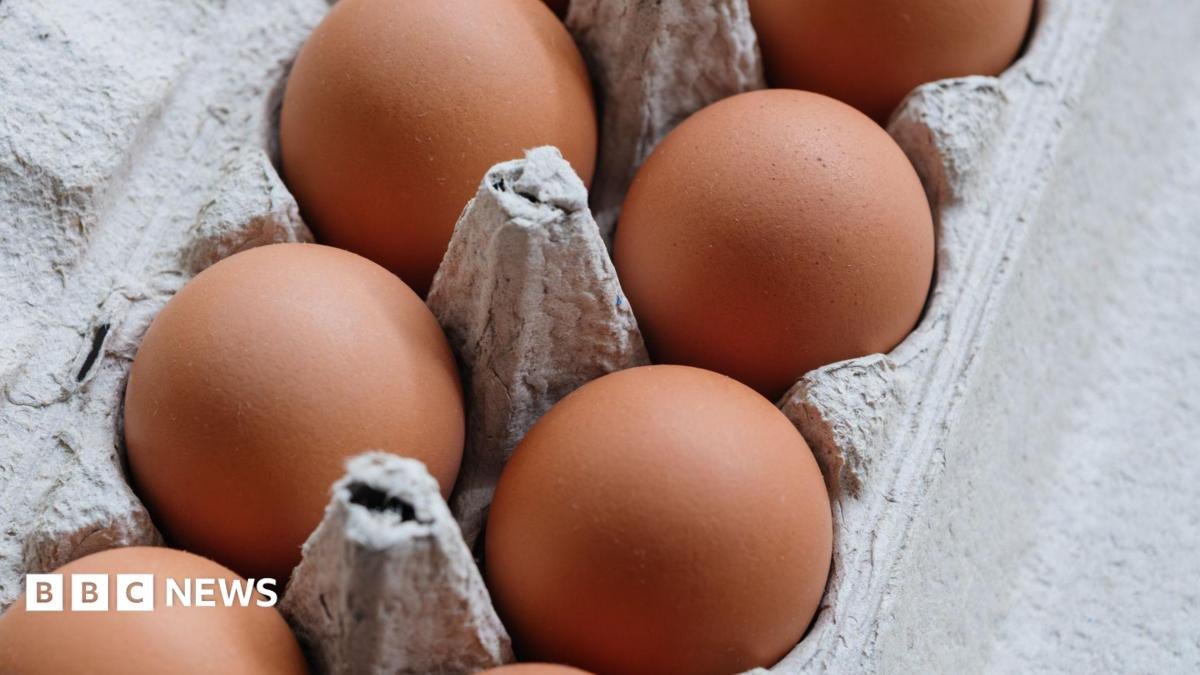
Symptoms include stomach cramps, diarrhoea, vomiting or fever. These usually develop between 12 and 72 hours after becoming infected.
Anyone who is concerned should contact their GP or out of hours service in the first instance, says the UKHSA.
Most cases – 199 of the 207 – have been in England, including 47 in London and 38 in Yorkshire and Humber.
There have been six cases in Scotland, one in Wales and another in Northern Ireland.
Hannah Charles, lead epidemiologist for gastrointestinal infections at UKHSA, said: “We’re working with Food Standards Agency and other public health agencies to investigate a salmonella outbreak that may be linked to eggs imported from outside of the UK.”
Salmonella can be found in a number of food sources including raw or under-cooked poultry or meat and eggs.
Preparing and cooking food thoroughly can prevent infection, as well as washing your hands after using the bathroom and before handling food.
Thousands of cases of food poisoning happen each year in the UK caused by lots of different strains of salmonella.
It is more unusual to see an outbreak like this linked to one specific strain of the bacterium affecting many people at one time.
Experts say it is likely there could be more cases to come and some people may have been unwell but not reported it.
The UKHSA says “extensive” epidemiological and food chain investigations are ongoing to identify the source but that egg consumption remains the strongest to date.
People appear to have fallen ill after eating out rather than after consuming food prepared at home.
Some of the food businesses linked to 24 of the cases use imported eggs.
“At this time there is no identified link to UK-produced eggs or poultry,” says the UKHSA.
Any extra precautions or preventative measures will be implemented if needed, it says. The risk to the general public is low.
Jacquelyn McCormick, Head of Incidents at the Food Standards Agency, said eggs which are thoroughly cooked and handled hygienically should not present a food safety risk.
She advised: “Infants, young children, pregnant people and older adults should only eat runny or raw eggs if they have a British Lion mark or are produced under the Laid in Britain egg assurance scheme.”
People handling eggs, eggshells or egg packaging should wash their hands thoroughly with soap and water, she added.