dailynewsnblog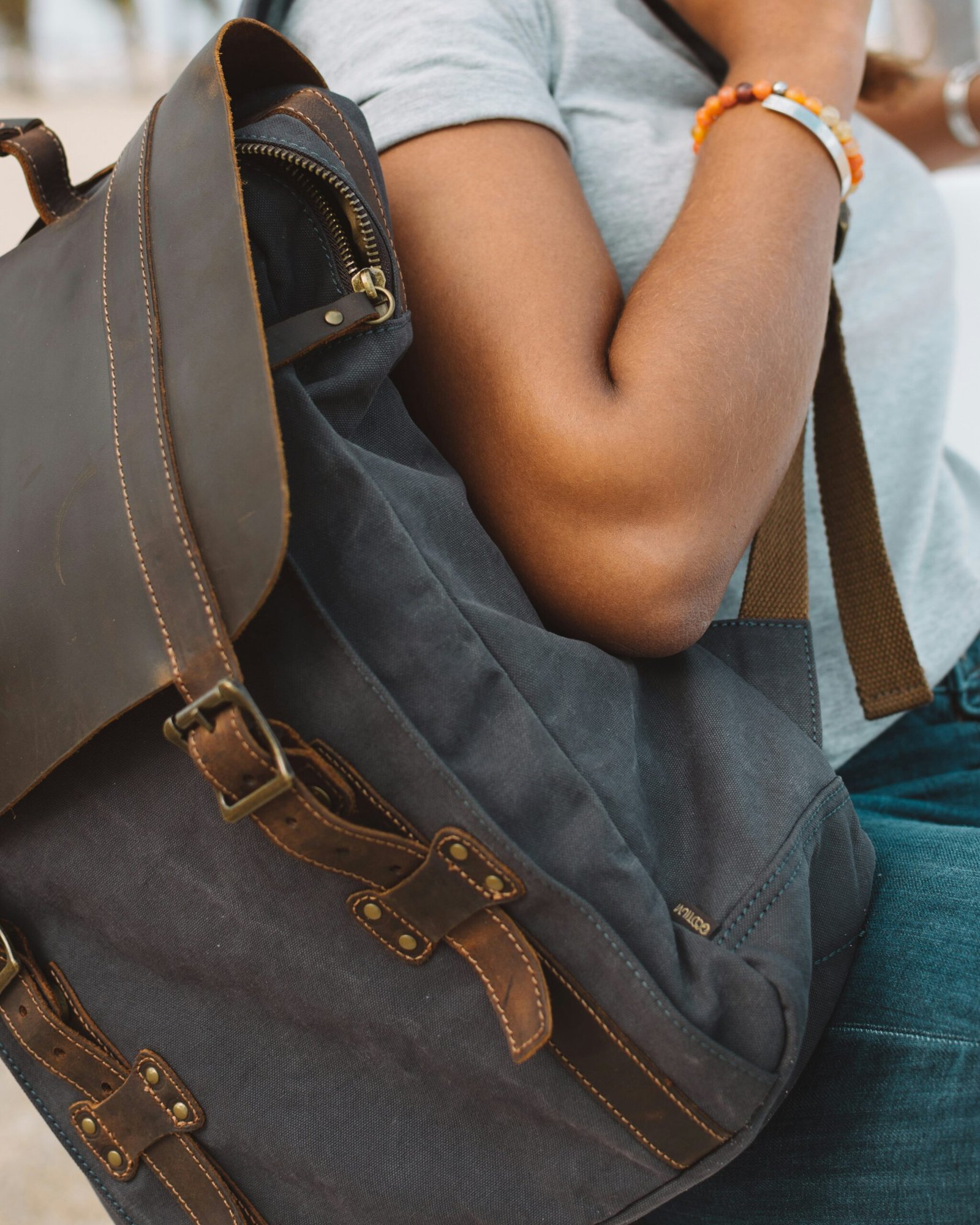
The Good Trade editors endorse products we’ve personally researched, tested, and genuinely love. We earn a commission when you purchase products or services through some of the links provided. Learn more about our methodology and business model here.
August always has me craving the sound of a brand-new planner creaking open — and the sensation of writing in it with a well-inked pen. I eagerly anticipated back-to-school shopping in my younger years, because it meant a crisp new set of colored pencils and highlighters that seemed to promise organization and success in the year to come.
At the end of the year, though, I’d find those very same highlighters still tightly capped, only having emphasized a few lines of text. Some notebooks were covered in thoughtful notes, while others had just a few pages of scribbles. My parents encouraged us to carry the blank pages into the next semester (and didn’t re-purchase the items that were largely left untouched), much to my dismay. Now I see that we didn’t have unlimited resources — and they were simply being smart about what we really needed.
“August always has me craving the sound of a brand-new planner creaking open.”
Now that I’m a distance from my school years (not that you’re ever too old to learn!), I realize back-to-school shopping doesn’t have to be excessive. A couple of small upgrades can go a long way toward making the school year easier to navigate. 📚
Many of the suggestions below are for minimizing purchases, but some things will inevitably need to be replaced or upgraded. To make shopping for sustainable brands easier, I love using Shop to fill up my cart with smaller, sustainable brands that all live together on their platform. So, below, I’ve recommended a handful of favorite brands all on Shop — and once you’ve started shopping there, you’ll see that the platform will recommend products based on your interests and interactions and even lets you earn digital rewards on certain purchases.
So, whether you’re sending your little ones to school this month or you’re heading back to university yourself, here are our favorite tips and brands for making back-to-school shopping more sustainable — and affordable too.
Start with school supplies
Each year, I’d get a tidy list of all the necessities from my new teachers. But more often than not, it was a copied-and-pasted checklist from the previous year.
To avoid excess shopping, start by comparing the checklist to what you already have (or what you can borrow or inherit from a friend or older sibling). Take inventory of anything that was half-used from previous years — can you tear out unused notebook pages and combine them into a binder for scrap pages? Can you salvage the ink cartridges from broken pens and keep them as future replacements? Do you, in fact, just need a calculator battery instead of a brand new replacement? (Psst — you can also revive water-based markers if they’re not too used up).
Cross the items you have off your list, then try reaching out to teachers to get their recommendations for absolute necessities. This list might look different based on whether you’re taking remote or virtual classes, so it’s helpful to double-check!
“To avoid excess shopping, start by comparing the checklist to what you already have.”
It’s also helpful to understand you or your child’s own study habits — maybe highlighters are not useful to you. Planners, notecards, smart notebooks, or Trapper Keepers might be better suited for you based on your organizational preferences.
There’s much to be said for adding tools for success to your planning, as well as passing over the items that won’t be used as often (or at all). Sustainability means finding smart approaches that work for us, not depriving ourselves of necessary tools.
Some more options for reducing school year waste include:
- Choose a refillable pen as opposed to a disposable one
- Buy pens in bulk to reduce excess packaging, and consider sharing with classmates if you have extra
- Search for paper products and writing utensils made from recycled materials
- Or, if school allows, forgo paper and invest in a smart notebook, like the Supernote
- Shop secondhand for textbooks or refurbished tech, or consider renting
- Encourage your school or department to recycle with a TerraCycle box

Shopping for school clothes
New clothes — we all need them occasionally, whether we’re little ones who are growing, growing little ones, or are experiencing any other type of size change. So if you do need to invest in new clothing, it’s not a question of if, but rather how we purchase that makes a difference on our budgets and the planet.
“If you do need to invest in new clothing, it’s not a question of if, but rather how we purchase that makes a difference on our budgets and the planet.”
Start by shopping your own closet, and look for pieces that may only need a couple small repairs before adding back into your wardrobe; you can even dye pieces you love that have stains on them! Patching denim and coats can be especially worthwhile, and don’t forget the impact of a good layering strategy to get you through seasonal changes.
For growing kids, look for clothing they can fit into for as long as possible by sizing up (and finding a good belt!). You can even work with a seamstress to size down or hem any garments that have too much “room to grow.” Ask for alterations that can be undone later, meaning you can keep hold of those pieces for longer. Just don’t size up too drastically on shoes, since that can significantly impact a child’s comfort level. (Here’s a handy shoe-sizing guide for growing kids.) For footwear that supports kids’ healthy development and movement, Ten Little designs shoes made from nontoxic, recycled materials that are adjustable for a variety of foot shapes and widths, and are recognized by the American Podiatric Medical Association. Adults looking to upgrade can consider LØCI for stylish and sustainable everyday vegan footwear.
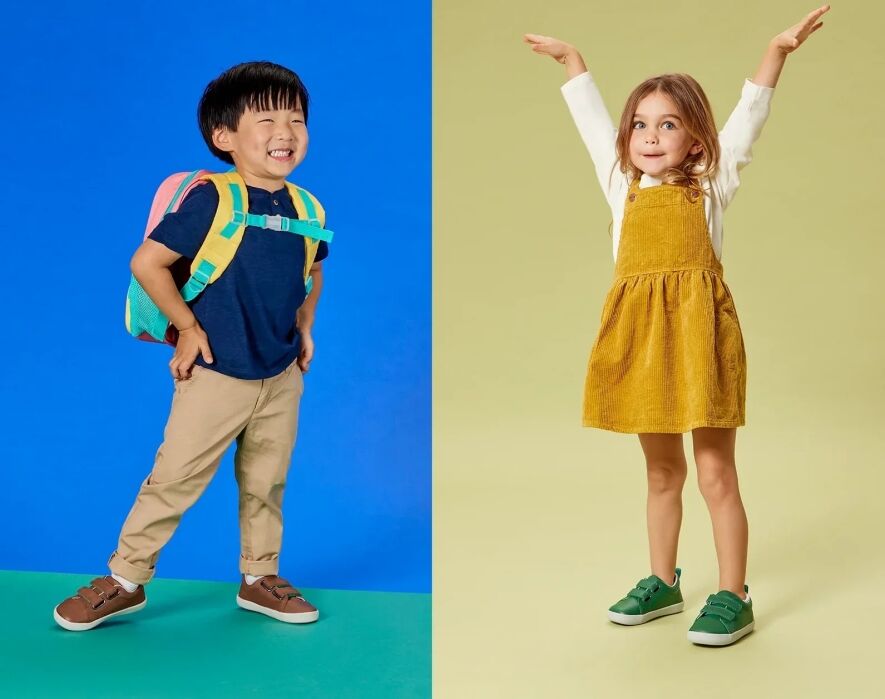
If you or your children require uniforms, join local groups on Facebook or check through your school’s network and see who might be donating outgrown pieces. Or, you might consider hosting a clothing swap with parents whose kids are similar sizes to your own. If you’re looking to shop new, Primary makes colorful organic cotton clothing at affordable prices for everyone from newborns to adults, and Jungmaven is a great pick for sustainable grown hemp clothing for all ages.


Picking out backpacks & lunch bags
Ah, I could write a love letter to the pink Jansport backpack that I carried from age 14 to age 30. By the time I retired it (and replaced it with the same model), it was speckled with holes, every zipper was broken, and the ink stains were ingrained. All this to say: You do not need a new backpack every year.
“Consider investing in a sustainably made backpack in a style you can envision enjoying for the long term.”
Of course, character bookbags and themed lunch pails can be precious, but once a child moves out of their Minnie Mouse phase, these often get tossed aside. Consider investing in a sustainably made backpack instead, in a style you can envision enjoying for the long term. (Some brands even offer lifetime warranties, so you can keep the bag for the long haul!) STATE is a great choice for backpacks in fun prints/colors and lunch boxes, and for simpler, quality backpacks, consider Terra Thread.
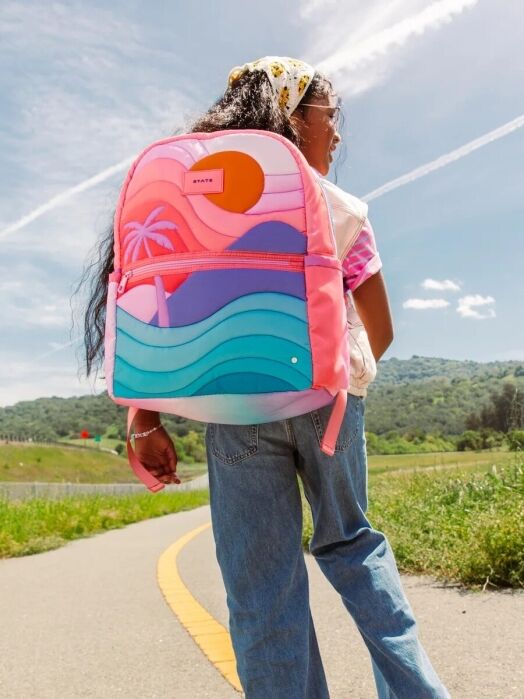
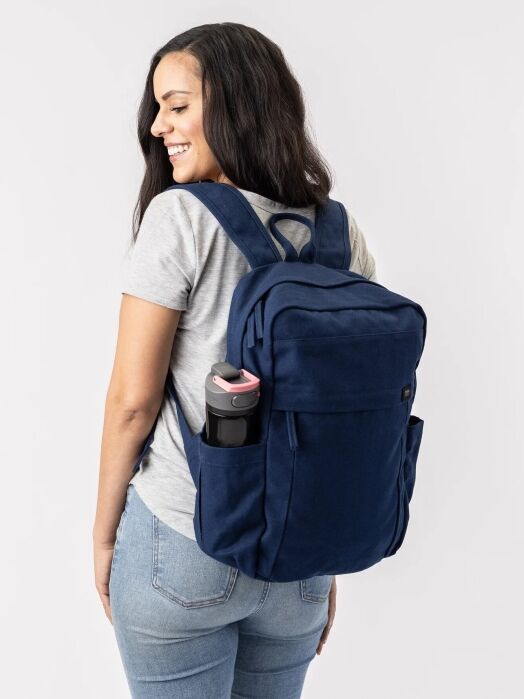
From there, instead of throwing out busted backpacks, you can easily repair zippers at home and mend holes by covering them with scrap fabric or vintage patches for a custom touch. Wash your bag before each school year to achieve the brand-new feeling we all love so much.
The same goes for packing lunch; rather than using cheap plastic boxes or single-use disposable bags, stock up on dishware that will last. Bento boxes are functional and easy to carry, and you can pack eco-friendly utensils and wrap them all together in furoshiki (a traditional cloth wrap – here’s how to do it!) for the ultimate on-the-go lunch. You can also find affordable glass and stainless steel containers at thrift stores, or opt for beeswax wrap and silicone bags to replace plastic wrap.
While this can all be a larger up-front investment, you’ll reduce your waste and lower your spending in the long run. Don’t forget to pack a reusable water bottle, too!
“Investing time in organizing and repairing what we already have are smart steps toward a more sustainable semester.”
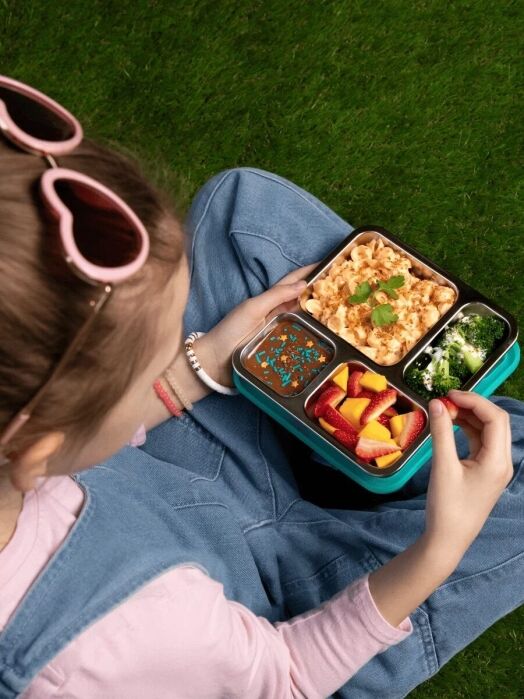

Ultimately, we don’t need brand new everything each new school year. Prioritizing our needs and investing time in organizing and repairing what we already have are smart steps toward a more sustainable semester. And once shopping is done, caring for the tools we’ve purchased is equally important; well-cared-for products mean we can shop less in the years to come.
Cheers to a new school year!
This story is in partnership with our friends at Shop
Emily McGowan is the Editorial Director at The Good Trade. She studied Creative Writing and Business at Indiana University, and has over ten years of experience as a writer and editor in sustainability and lifestyle spaces. Since 2017, she’s been discovering and reviewing the top sustainable home, fashion, beauty, and wellness products so readers can make their most informed decisions. Her editorial work has been recognized by major publications like The New York Times and BBC Worklife. You can usually find her in her colorful Los Angeles apartment journaling, playing with her two cats, or crafting. Say hi on Instagram or follow along with her Substack, Pinky Promise.