dailynewsnblog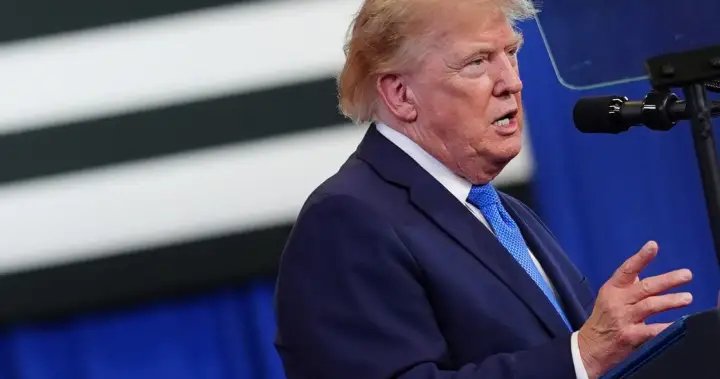
Trade talks between Canada and the United States entered the home stretch with just two days to go before a fresh round of tariffs from U.S. President Donald Trump hit on Wednesday.

As Canadian officials try to hash out a trade deal with their American counterparts, Canadians are divided on how to respond to U.S. trade aggression, new polling from Abacus Data said on Monday.
Trump has vowed to hit Canada with new sweeping 50 per cent tariffs on a wide range of goods in response to what the U.S. calls “discriminatory” measures, including the boycotts by Canadian provinces of American alcohol, which was a response to the U.S. trade war launched in early 2025.
Similar numbers of Canadians say Canada should either respond with counter-tariffs (36 per cent) or keep negotiating without any counter-tariffs (30 per cent) if Trump’s new round of tariffs go into effect Wednesday.
However, less than one in five (18 per cent) said Canada should “offer concessions to the US, such as ending bans on American alcohol and easing dairy restrictions, if that gets the tariffs removed.”
Canadians are also divided on whether or not Trump will stay the course on his tariffs.
Only 10 per cent of the 1,499 Canadians polled from Aug. 7 to 12 said Trump is likely to reverse course on the tariffs before Wednesday, with one per cent of those saying the tariffs will “definitely not happen.”
Around 12 per cent said they were unsure if tariffs would hit.

Get daily National news
Get daily Canada news delivered to your inbox so you’ll never miss the day’s top stories.
Four in 10 (40 per cent) said there was a “50/50 chance” that Canada could face Trump’s new sweeping tariffs, while a similar number (38 per cent) said they are likely to hit Canada.
Canadians are also bracing for the impact of the tariffs, with 70 per cent saying they will have either a “somewhat negative” or a “very negative” impact on the local economy where they live.
Nearly three in four (74 per cent) said the trade war with the U.S. has already impacted their household finances.
Trump signed three executive orders last month, each one using a different justification for the new tariff: the provincial and territorial boycotts on American alcohol products, Canada’s retaliatory tariffs on U.S.-made vehicles and auto parts, and quotas on American dairy imports under Canada’s supply management system.
In early 2025, several Canadian provinces removed U.S. alcohol from their shelves in response to Trump’s trade war and threats to make Canada the “51st state.”

Canada-U.S. Trade Minister Dominic LeBlanc is in Washington, D.C., with Canada’s chief trade negotiator Janice Charette.
LeBlanc and Charette worked through the weekend with American officials, including during a virtual meeting with U.S. Trade Representative Jamieson Greer on Sunday.
Canadian officials “seek to reach a comprehensive deal that delivers for businesses, workers, farmers and families on both sides of the border,” LeBlanc’s office said.
Ottawa and Washington are “not close to signing a trade deal” and a “big gap” remains between the two sides, officials told Global News on Friday.
Global News has agreed not to identify the sources because they were not authorized to speak publicly about the trade talks.
Relief for Canada’s softwood lumber industry has emerged as a sticking point in the talks. Two sources said the Americans are not interested in reducing softwood lumber tariffs, which currently sit close to 45 per cent.
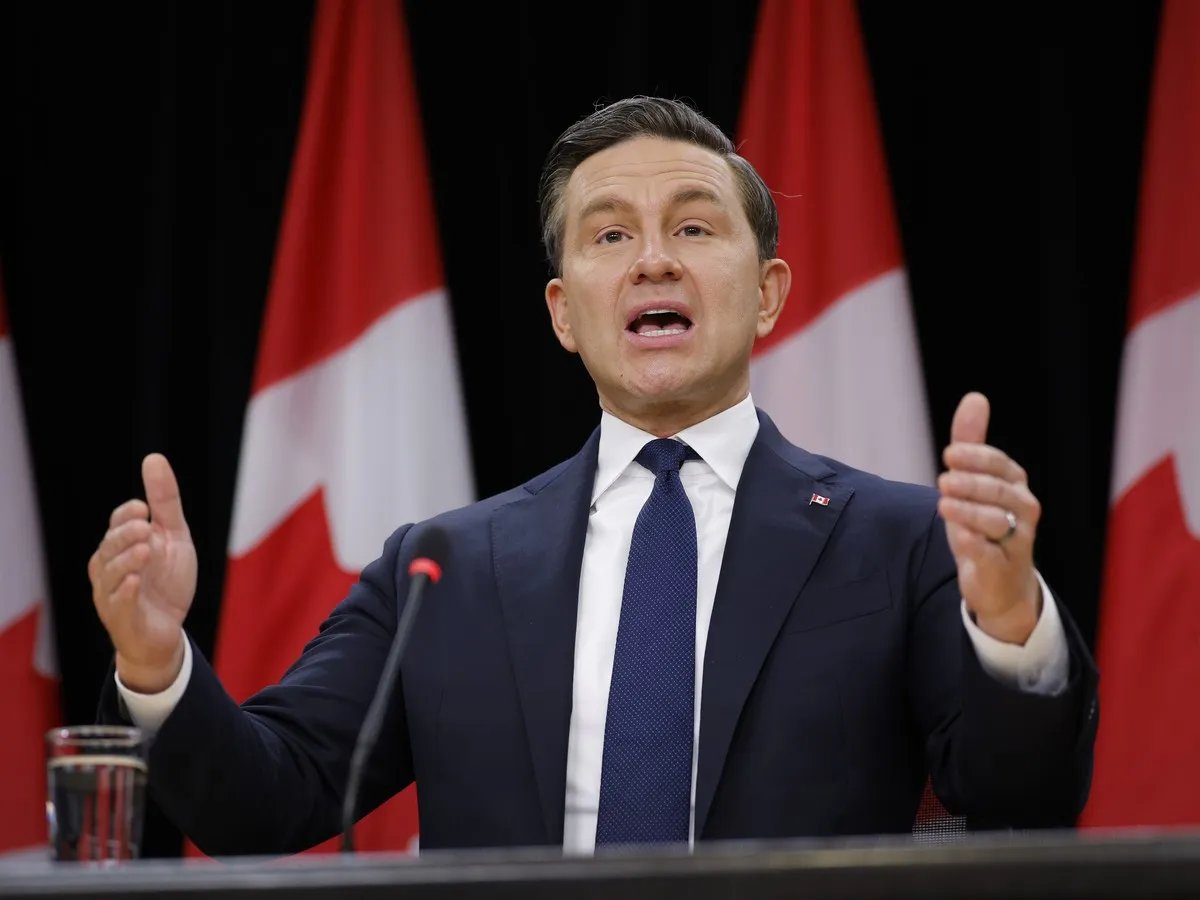
Earlier on Sunday, Conservative Leader Pierre Poilievre argued tariffs must be removed on Canadian softwood lumber in any trade deal made.
“It is unacceptable for there to be U.S. tariffs on Canadian lumber,” he said during a news conference Sunday. “It’s time for Mark Carney to keep his promise that he would negotiate a win and get the tariffs off Canadian softwood lumber. No more concessions while getting nothing in return.”
— with files from Global’s Mackenzie Gray
© 2026 Global News, a division of Corus Entertainment Inc.