dailynewsnblog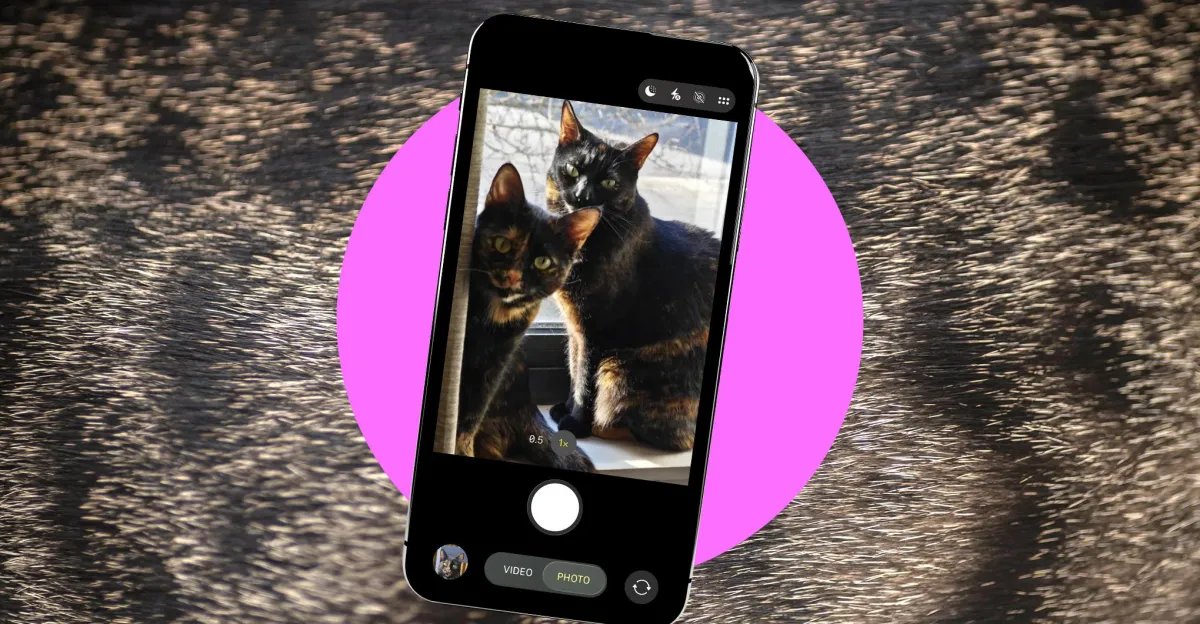
Like the pets of any self-respecting millennial, my cats have their own Instagram account.
Noodle and Loaf — aka Carb Cats — aren’t exactly celebrities. But they are used to having their photos taken a lot. Between their Instagram account, my regular need to test smartphone cameras, and the fact that they are two adorable idiots, I’ve taken on an unofficial household role as pet photographer.
I know I’m not the only one. It’s become standard practice to maintain a camera roll full of blurry bleps and dozing dogs. But pets are rarely easy to photograph. They’re usually small, fast, and don’t take direction well. Here are a few ways to improve your odds.
1/5
Most of the photos I take are because one of the cats is doing something cute right now, and so the best camera for the job is the one I have on me. That’s usually my phone, which is how I’ve taken the overwhelming majority of my pet photos, with a handful more shot on film.
A good camera will certainly bring advantages, and I wouldn’t want to put anyone off getting into the hobby. In this case, a better phone camera might be more beneficial though — and is probably cheaper.


1/2
If you really do want to make an investment, the best bang for your buck is in lighting. I have a cheap $40 softbox light from Raleno, originally purchased for the sake of taking product photos, but occasionally repurposed with the cats in mind. The extra light helps bring out details and stops indoor shots from looking too flat or too yellow, common issues when you’re reliant on regular household lights. It can be useful for the occasional staged shot (easier with some pets than others), but won’t help much with candids.
I also mostly shoot in the default camera mode. What can I say? I’m lazy. That may work just fine for you too, but if you want to dive into specific shooting modes or play with settings manually, there are some tweaks worth making.

The big one is shutter speed. Most pets aren’t great at sitting still, and you’re probably used to taking photos that are ruined by motion blur. The quickest fix is a faster shutter speed, which shortens the exposure time to capture sharper shots of moving subjects. Many Android camera apps have a dedicated sports mode, which does this for you — how much difference is there really between a professional athlete and a cat with zoomies?
iPhones don’t have a sports mode, but instead you can try burst mode, which you’ll also find on most Androids. It takes a bunch of photos in quick succession with short shutter speeds, perfect for when you’re trying to catch a dog mid-run or a cat darting after a toy, giving you a selection of action shots to choose from.
The caveat is that shorter shutter speeds mean less light capture. That’s usually fine in bright daylight, but in dimmer lighting — and sometimes even simply if you’re indoors — quality will drop. I took this shot of Noodle trying to grab a toy using burst mode, and it captured her crisply but introduced a whole lot of noise into the black parts of my computer displays behind her.

You might also want to think about aperture. Pet photos are just like any portrait and often benefit from a blurred background that helps draw attention to the subject. Phones can add this bokeh effect through portrait mode, but if you’re tweaking manually, then dropping the aperture will get the right result. Just don’t drop it too far — most pets have deeper faces than humans, and too wide an aperture risks leaving their nose in focus while the ears are blurry. Somewhere between f/4 and f/5.6 is about right; play around to find what works.
Switching to a telephoto lens, whether on a real camera or on your phone, can help a portrait pop a little more, and has the added bonus of letting you shoot from a distance, reducing the odds that you’ll ruin the moment in your attempt to get close. Check if your phone has a dedicated telephoto lens — zooming in on the main camera won’t have the same effect.
1/4
Hardware and software aside, what about technique?
The single biggest improvement you can make is to get on their level. Don’t shoot your pet from standing; pop a squat and take a photo from head-on, just like you would if you were photographing a person. There’s nothing cuter than capturing big puppy-dog eyes up close.
If that’s tricky for whatever reason, try to snatch photos when your pets are elevated. My cats love to nap in raised radiator beds, and I used to photograph my parents’ Chihuahuas while they slept on the staircase. For reptiles, rodents, and other pets in tanks or cages, this is often easier, though shooting through the glass or bars will have an impact on quality. Take them out of the tank if that’s feasible.
Shots from standing can work, but it’s rare. Your photos look less considered and lower effort, and it’s much harder to frame them against a good backdrop or get that bokeh blur.

Break out the toys and treats
Even a free-spirited pet can be manipulated a little. Treats and toys are the best ways to maneuver most animals into position and control their attention.
Eye contact is one of the easiest ways to upgrade a photo, and for that you need to get your pet looking into the lens. My go-to is shaking a rattly, colorful toy directly above the camera (or asking my partner to do it for me). Cats are tricky because they get bored quickly, so you might need a variety of toys within easy reach to keep their attention.
Direct eye contact can produce brilliant photos, but some of my favorites have the cats looking off at an angle. The key is to make sure you’re still capturing their eyes, whether it’s head-on or not, and that they’re looking roughly toward the brightest light around.

Treat them like a wild animal
One of the classic mistakes is treating pets like kids: a little unpredictable but fundamentally capable of being controlled. Instead, treat them like wild animals.
Don’t go breaking out a pith helmet just yet, but try to photograph them on their own terms. You know when your dog is likely to be sleepy, so get that dozy shot when it’s naptime. If your cat loves to sprawl in sunbeams, wait for the light to get right and let them pose themselves. Noodle and Loaf always get the zoomies at night, so I know that’s when to nab playtime photos. You’ll know your own pets best, so plan around their habits.
My view on this is obviously shaped by owning cats, and before them several badly trained Chihuahuas. If you have a pet that’s better at following instructions, then by all means take advantage.
Either way, you’re guaranteed to take a load of terrible photos. You’ll get blurry ones because they moved too fast. You’ll get derpy ones because they yawned at just the wrong moment. You’ll get more direct shots of their ass than you’re entirely comfortable with.
Accept these facts. Make your peace with the bad shots and the buttholes, because you’ll have to get through them to get the perfect photo. And hey, sometimes the derpy ones end up being your favorites anyway.

Photography by Dominic Preston / The Verge