dailynewsnblog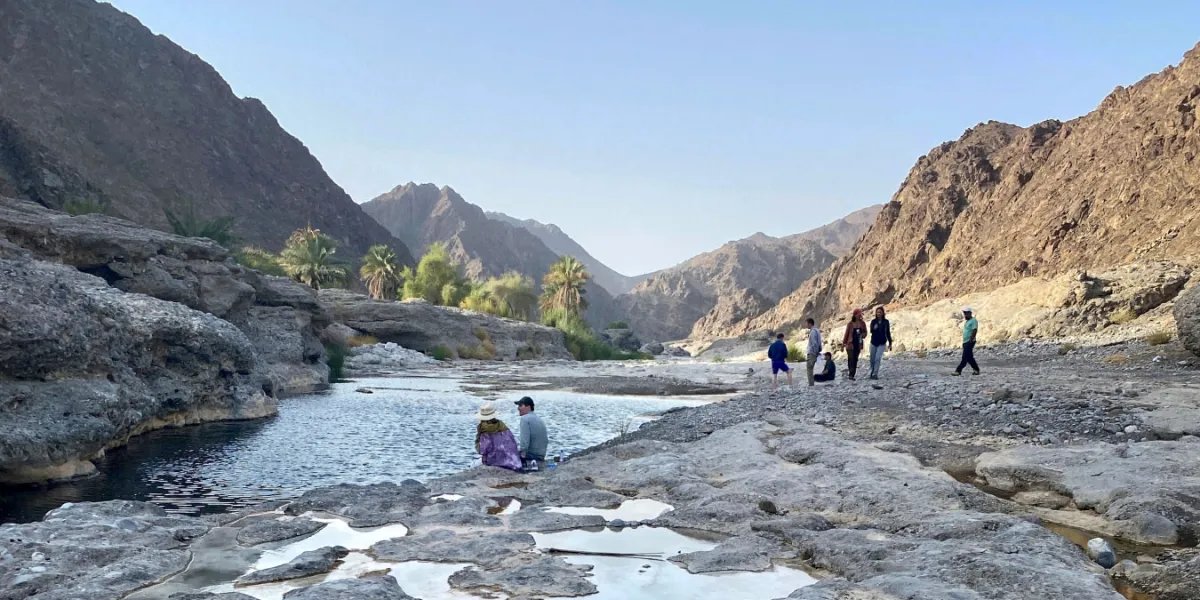
The results from Kidd Creek add to “the growing evidence that natural hydrogen generation and migration are genuine geological processes,” says Laurent Truche, a geochemist at the University of Grenoble Alpes in France. In 2024, his research team reported that at least 200 metric tons of the gas flow out of the Bulqizë chromium mine in Albania every year. “The remaining challenge is not proving that natural hydrogen exists, but proving that it can be produced economically and reliably at commercial scale,” Truche says.
Proof, however, doesn’t necessarily require striking the mother lode. Researchers and startups are also exploring the possibility of stimulating hydrogen production by injecting water, heat, or catalysts into the reactive rocks that naturally produce the gas. More than a dozen of these projects are funded by ARPA-E, which has established a goal of accelerating the hydrogen-producing reaction by a factor of 10,000—the rate at which, researchers estimate, stimulated H2 production would be commercially viable.
An indication that this could work came earlier this year from the mountains of Oman, where a team drilled a one-kilometer borehole and injected 50,000 cubic meters of water into the rock. When they opened the well several months later, gas was spewing out—and it was 90% hydrogen. “It’s bubbling with gas,” Jo Shannon, a geoscientist at the University of Southampton in the UK, told attendees of the European Geosciences Union conference in May. (Shannon declined to comment beyond what was presented.)
While Shannon said this was a promising sign, she was careful to add that a slew of unknowns remain. The most crucial question is a basic one: Is the hydrogen rising up out of the well made through stimulation, or had it been there all along?
James Dinneen is a science and environmental journalist from Colorado, based in New York City. He is working on a book about Earth’s deep interior.