dailynewsnblog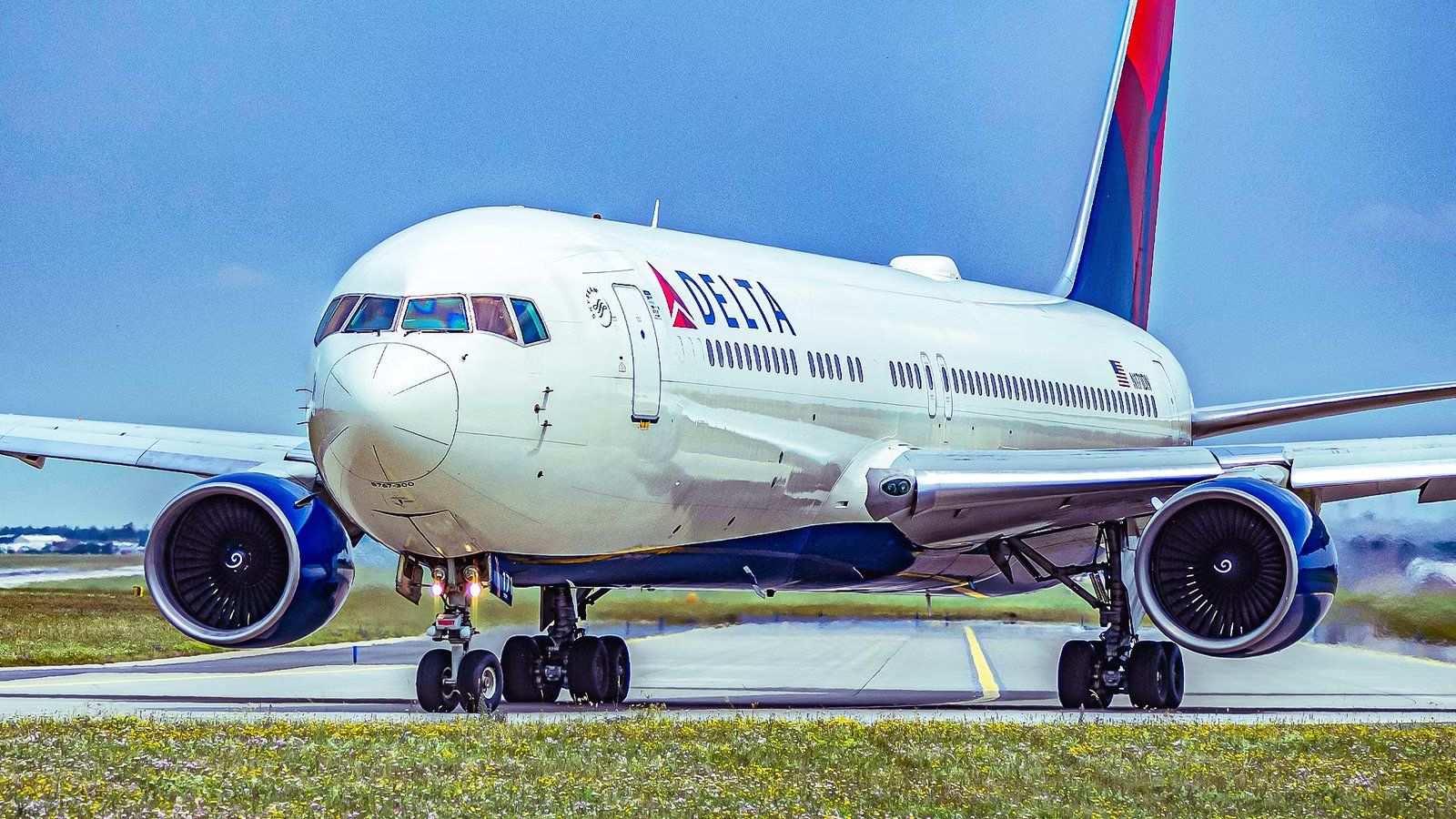
The airline industry is entering another fleet transition, but unlike the retirement waves that followed the COVID-19 pandemic, the changes taking place throughout 2026 are unfolding with little visibility. Instead of mass withdrawals or emergency decisions, airlines are methodically replacing aging aircraft that have served for decades with new-generation jets offering lower fuel burn, reduced maintenance costs, and greater flexibility. While passengers may barely notice the difference, or, conversely, might notice newer interior designs and new seats, these fleet decisions will reshape networks for years to come.
The aircraft disappearing are some of the most recognizable of the past four decades, including the iconic Boeing 757, Boeing 767, Airbus A340, older Airbus A330 variants, and large numbers of early-generation Boeing 737NGs and Airbus A320ceos. Their successors tell a clear story: the vast majority of airlines prefer efficient twin-engine aircraft and long-range narrowbodies capable of serving routes that once required much larger airplanes. Rather than replacing aircraft on a one-for-one basis, carriers are redesigning their networks around changing passenger demand and modern economics.
Boeing 757: The Long-Range Narrowbody Finally Hands Over The Baton

This aircraft is probably one of the most beloved ones among numerous travelers and airlines. Boeing 757 has earned a good reputation that was impossible to replace before the arrival of the Airbus A321XLR. Since entering commercial service in the early 1980s, the type became famous for combining excellent runway performance with impressive range, allowing airlines to connect smaller cities directly across the Atlantic while also operating demanding domestic routes. Even today, there is no direct Boeing replacement, making the aircraft’s retirement one of the industry’s most significant transitions.
One of the airlines accelerating this change is Icelandair. According to Aerospace Global News and Aviation Week, the carrier will retire its remaining Boeing 767-300 fleet during 2026, ending its brief widebody era altogether, while simultaneously speeding up the retirement of its iconic Boeing 757 fleet. The airline intends to simplify operations around the Airbus A321LR and A321XLR family, which can perform many of the same missions with substantially lower operating costs. The decision reflects Icelandair’s long-standing strategy of serving thinner North Atlantic routes through Keflavik International Airport (KEF) while reducing fuel consumption and maintenance requirements.
 United Airlines is following a similar philosophy, although on a larger scale. The airline has also described the Airbus A321XLR as the natural successor to its aging Boeing 757-200 fleet, particularly on long, thin international routes where a widebody would simply offer too much capacity. Rather than replacing every 757 directly, airlines are using aircraft that carry fewer passengers but generate much lower trip costs, allowing routes to remain profitable year-round. The result is not simply a fleet renewal program but a fundamental shift in how airlines view long-haul network planning.
Boeing 767: A Legendary Widebody Nears The End Of Its Passenger Career

The Boeing 767 revolutionized long-haul flying when it entered service in 1982, becoming one of the world’s first highly efficient twin-engine widebodies with ETOPS certification. For decades it served everything from transatlantic flights to domestic trunk routes, and many passenger airlines still rely on examples delivered during the 1990s. Yet by 2026, the economics increasingly favor newer aircraft with significantly lower fuel burn, as we saw with Icelandair’s example.
 Delta Air Lines remains one of the largest passenger operators of the Boeing 767-300ER, but even its fleet is beginning a carefully managed retirement process. As we previously reported, Delta intends to progressively phase out its 757-200s and 767-300ERs between 2026 and 2030, having already retired one of its oldest 36-year-old examples. Instead of a single replacement aircraft, Delta is spreading capacity across several modern types, including the Airbus A321neo for domestic flying, the Airbus A330-900neo for medium- and long-haul routes, the Airbus A350-1000, and eventually the Boeing 787-10. This diversified approach gives the airline greater flexibility while significantly reducing maintenance expenses.
The retirement of the Boeing 767 illustrates a broader industry trend. Airlines are no longer looking for one aircraft capable of doing everything. Instead, they are selecting specialized aircraft optimized for different missions. Long-range narrowbodies increasingly replace smaller widebodies on lower-demand international services, while efficient new-generation twin-engine aircraft assume responsibility for higher-capacity intercontinental routes. This strategy improves profitability while offering airlines more scheduling flexibility throughout the year.
Older Airbus A330 Variants Are Making Room For More Efficient Successors

Although the Airbus A330 remains one of the world’s most successful widebody families, not every version has the same characteristics and the same future. Early-generation Airbus A330-200s and older Airbus A330-300s are becoming retirement candidates as airlines modernize their fleets with newer aircraft, such as the A330-900neo, offering better economics and longer maintenance intervals.
The Lufthansa Group has become one of the clearest examples of this transition. According to AirlineGeeks, the group plans to retire six aircraft types by 2028, including the A330-200. While some examples will remain active beyond 2026, the coming years mark the beginning of a systematic reduction of several legacy fleets across  Lufthansa, Austrian Airlines, Brussels Airlines, and SWISS. ITA Airways, also part of the group, already retired its old Alitalia A330ceo variants in January 2026, and replaced them with newer A330neos. Replacing multiple older aircraft families with fewer modern types simplifies pilot training, maintenance planning, spare part inventories, and operational scheduling.
KLM demonstrates another version of the same strategy. The Dutch carrier is preparing for the arrival of the Airbus A350-900, which will progressively replace not only portions of its Airbus A330 fleet but also older Boeing 777-200ER aircraft, as noted by Flight Miles and Points. Rather than keeping several aging widebody subfleets in service simultaneously, KLM is moving toward a more streamlined long-haul operation centered around newer aircraft with improved fuel efficiency, quieter cabins, and significantly lower carbon emissions per passenger.
Airbus A340: The Four-Engine Era Continues To Fade Away

Perhaps no retirement symbolizes the industry’s transformation better than the gradual disappearance of four-engine passenger aircraft. Once considered essential for long-haul operations, aircraft like the Airbus A340 and older Boeing 747-400 now face economics that are increasingly difficult to justify against modern twin-engine alternatives.
Catch what other flight trackers miss
Emergency squawks, holds, NOTAMs — live signals, no signup.
Open tracker
Catch what other flight trackers miss
Emergency squawks, holds, NOTAMs — live signals, no signup.
Open tracker
The Lufthansa Group remains one of the few major airlines still operating the Airbus A340-600, but even these aircraft are scheduled to leave the fleet towards the end of this year. The decision reflects both operating economics and fleet simplification. Compared with newer twinjet aircraft such as the Airbus A350-900 and Boeing 787, the A340 consumes considerably more fuel while requiring additional maintenance associated with four engines instead of two. As airlines seek every possible efficiency improvement, even aircraft with relatively young cabin interiors struggle to compete against modern designs.
The retirement of the A340 also highlights how engine technology has evolved. Modern high-bypass turbofan engines produce enough thrust and reliability for aircraft like the Airbus A350 and Boeing 787 to fly ultra-long-haul routes once dominated by four-engine jets. Regulators have gradually expanded ETOPS rules over the past three decades, allowing twin-engine aircraft to operate virtually anywhere in the world. As a result, very few airlines now see a business case for maintaining aging four-engine fleets beyond the late 2020s.
Older Narrowbodies Are Quietly Disappearing Too

While much attention focuses on retiring widebodies, with the exception of the legendary Boeing 757 that occupied the niche between narrow and widebodies, the largest fleet renewal programs are actually happening among narrowbody aircraft, which are much more common. Airlines worldwide continue replacing early Boeing 737NGs and Airbus A320ceos with more efficient successors that reduce fuel burn while offering longer range and lower maintenance costs.
Qantas provides one of the clearest examples through its ambitious Project Winton fleet renewal program. As detailed by Simple Flying, the airline is replacing Boeing 737-800s with Airbus A321XLRs. Last year, Qantas also replaced its old Boeing 717 with Airbus A220-300s. Instead of simply introducing newer versions of existing aircraft, Qantas is redesigning its domestic network around aircraft that offer significantly improved economics while expanding the range of nonstop services throughout Australia and nearby international destinations. The Airbus A321XLR enables longer sectors previously impractical for narrowbodies, while the Airbus A220 delivers exceptional efficiency on lower-demand routes.
Aircraft Retirements and Replacements in 2025-2027:
Retiring aircraft | Typical replacement | Primary benefit |
Boeing 757-200 | Airbus A321XLR | Similar range with much lower fuel burn |
Boeing 767-300ER | Airbus A330-900, A350, Boeing 787 | Better efficiency and lower maintenance |
Airbus A330-200 | Airbus A350-900 | Lower operating costs and improved range |
Airbus A340-600 | Airbus A350-900 | Two engines instead of four, major fuel savings |
Boeing 737-800 | Airbus A321neo, A321XLR, Boeing 737 MAX | Better fuel efficiency and higher capacity |
Boeing 717 | Airbus A220-300 | Reduced fuel burn and operating costs |
Airbus A320ceo | Airbus A320neo family | Lower emissions and improved economics |
These changes illustrate that fleet renewal is no longer simply about buying newer aircraft. Airlines are trying to match aircraft size to actual demand rather than automatically deploying larger airplanes. Long-range narrowbodies are opening routes that once required widebodies, while highly efficient next-generation twins are reducing operating costs across traditional long-haul markets. The result is greater flexibility for airlines and, potentially, more nonstop options for passengers.
Beyond 2026: Fleet Renewal Is Becoming A Continuous Process

Although 2026 marks an important milestone, it is only one phase of a much longer transformation. Several airlines have already announced fleet strategies extending well into the 2030s.  American Airlines, for example, has begun seeking proposals for eventual replacements for its 47 Boeing 777-200ER aircraft, even though those retirements remain several years away. Rather than waiting for aircraft to become uneconomical overnight, airlines are planning smooth transitions years in advance to minimize disruption while taking advantage of improvements in aircraft technology.
The pattern emerging across the industry is remarkably consistent regardless of geography or airline size. Whether the retiring aircraft is a Boeing 757, Boeing 767, Airbus A330-200, Airbus A340-600, Boeing 737NG, or Airbus A320ceo, the replacement almost always emphasizes lower fuel consumption, reduced maintenance requirements, improved environmental performance, and greater operational flexibility. Aircraft like the Airbus A321XLR, Airbus A220, Airbus A350, Airbus A330neo, Boeing 787, and Boeing 737 MAX represent newer airplanes with a different philosophy of airline economics.
Fleet replacement is unlikely to slow. Manufacturers continue developing technologies that improve engine efficiency, aerodynamics, lightweight materials, and digital maintenance systems. Airlines view fleet renewal as an ongoing competitive necessity and not a once-in-a-generation investment. The quiet retirements taking place during 2026 represent much more than the end of several iconic aircraft types. They signal another major step toward a leaner, more flexible, and more efficient global airline industry.

![American Airlines Launches 6 New Nonstop Transatlantic Routes [Full List & Map]](https://dailynewsnblog.com/wp-content/uploads/2026/08/simpleflying-boeing-787-8-american-airlines-1786835373359.jpg)
![Only 155 Seats: American Airlines’ 9 Airbus A321XLR Routes Revealed [Map]](https://dailynewsnblog.com/wp-content/uploads/2026/08/809-american-airlines-airbus-a321neo-robin-guess-_-shutterstock.jpg)