dailynewsnblog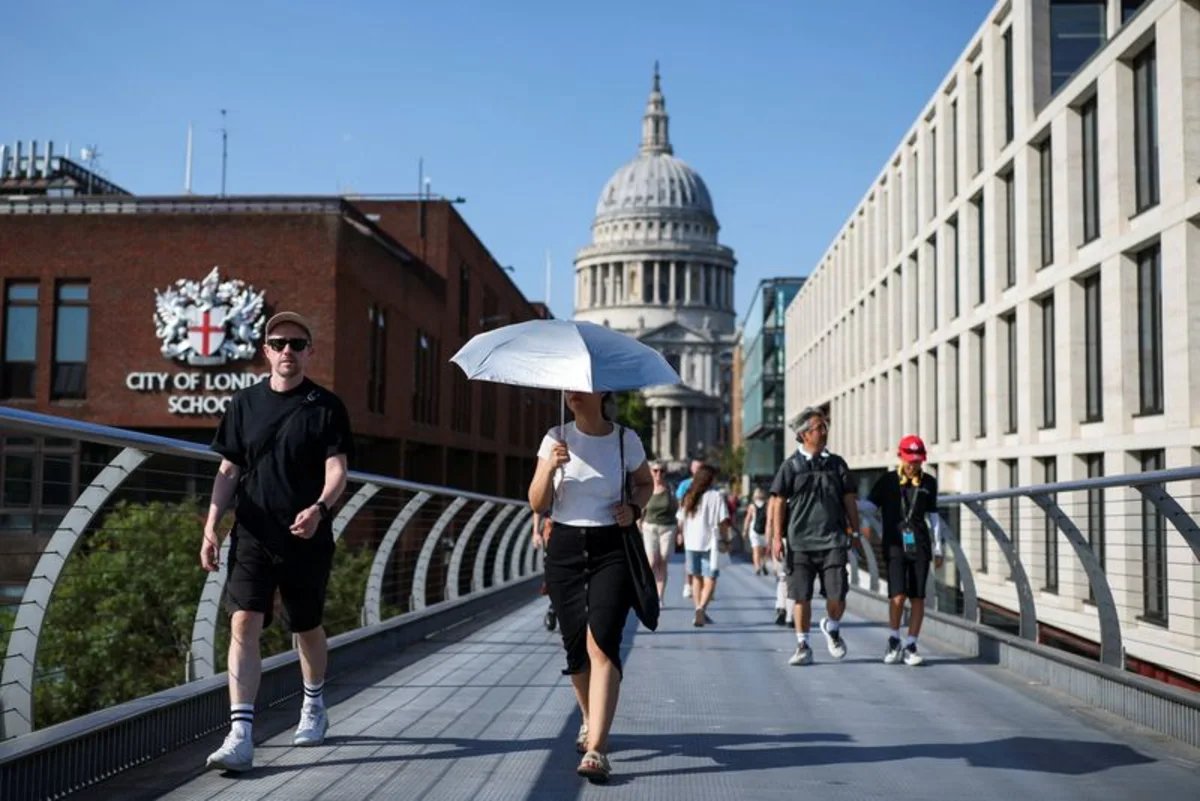
By Simon Jessop, Rebecca Delaney and Valentina Za
LONDON/MILAN, Aug 16 (Reuters) – For more than a century, cafes in the Italian city of Padua have welcomed customers for an early evening drink, or aperitivo, encouraging them to sit outside and socialise before dinner.
As Europe bakes under its fifth heatwave of the year, the traditional 6-7 p.m. slot has all but disappeared as people seek air-conditioning indoors, cutting sales for many hospitality businesses.
Adding to the pressure, extreme heat often falls outside traditional business interruption insurance, exposing a growing protection gap for companies across Europe.
Moody’s has published estimates that last summer’s European heatwaves cost €43 billion ($50 billion) in lost economic output while generating only about €500 million of insured payouts.
In Padua, aperitivo often now starts later, “which means that the outdoor seating areas, the terraces, the spaces outside … are left unused and empty,” said Federica Luni, president of hospitality association APPE Padova.
According to a survey of about 600 hospitality businesses in the city and its province, more than 80% reported turnover declines of around 20% during the recent heatwave.
“A 20% decline wipes out your margin,” Luni said.
Heatwaves are increasingly taking a toll on Europe’s economy, reducing productivity, curbing consumer spending and raising operating costs. For insurers, such losses can be difficult to cover because they often stem from indirect operational disruption rather than property damage.
“Heat in itself is not a traditionally insured risk,” said Swenja Surminski, managing director for climate and sustainability at Marsh.
“Extreme heat rarely causes catastrophic physical damage the way a flood or a storm does, but the financial operational disruption that it triggers can be just as severe.”
A 2023 survey of 9,000 small and medium-sized firms for Europe’s insurance regulator found 28% held business interruption cover as part of their property insurance, while 17% had non-damage business interruption protection covering events such as strike action.
The protection gap is widening as the economic costs of extreme heat mount. Trains are delayed, agricultural yields fall and factory cooling costs rise, while workers often struggle to maintain productivity during prolonged spells of extreme temperatures.
Companies that flagged a hit from hot weather or warned about its potential future impact when reporting second-quarter earnings included Swedish shop-fitting provider ITAB Group, Italian cement producer Buzzi and French payments firm Worldline.