dailynewsnblog
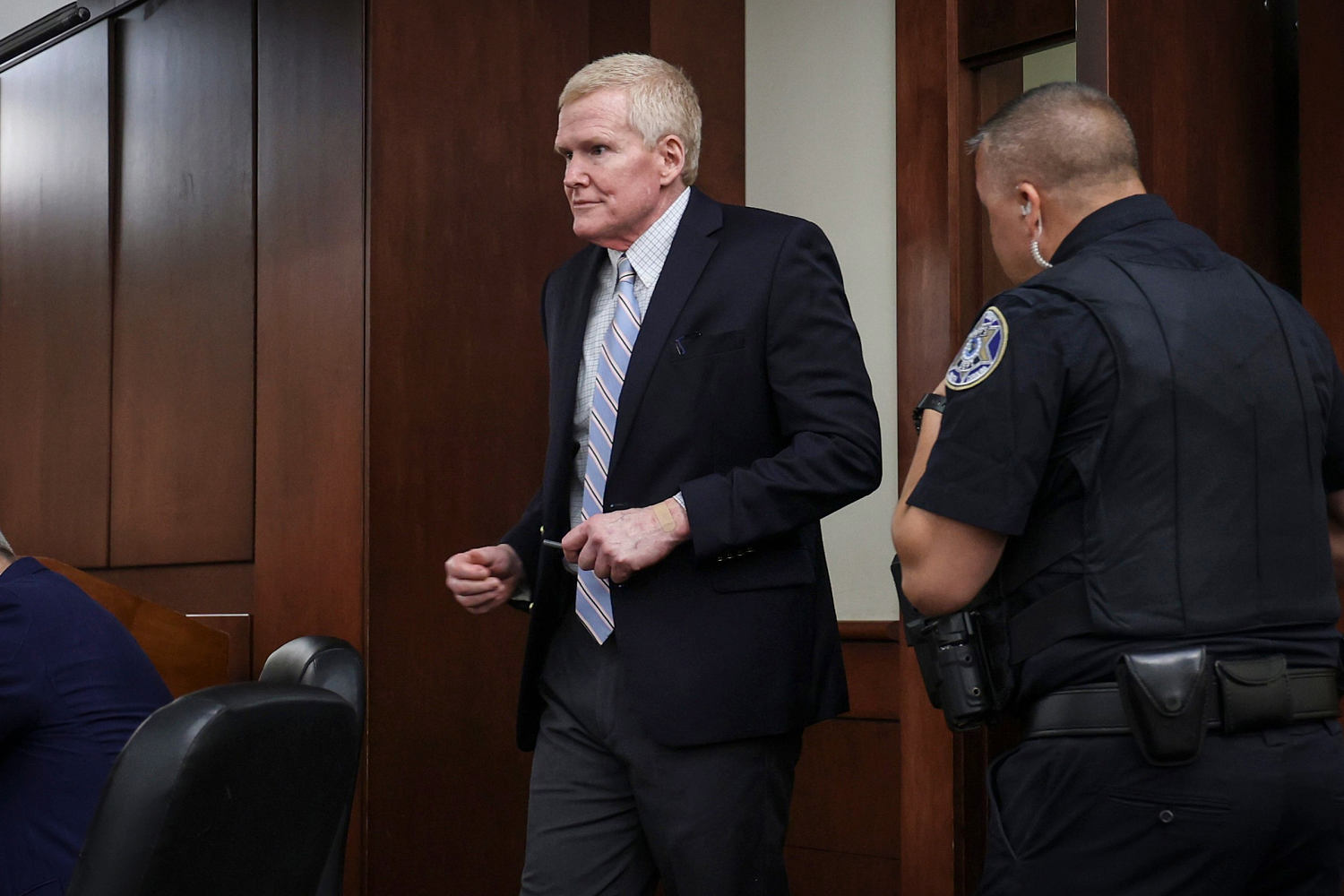
A judge ruled Friday that testimony Alex Murdaugh gave at his first murder trial can be heard by jurors in his retrial.
“When you testify in a case, there are consequences,” South Carolina Circuit Court Judge Debra McCaslin said at a status hearing. “I’m going to allow it in, subject to what is being testified to in the trial.”
McCaslin also granted the defense’s request to begin independent testing of DNA evidence recovered from Maggie Murdaugh’s fingernails, and agreed to move Murdaugh’s double-murder retrial out of Colleton County.
Defense attorney Dick Harpootlian, noted that people have been stopped on the street for interviews about the case, arguing the county has become “poison” and that “the courthouse is the scene of the crime.”
Prosecutor Creighton Waters countered that the issue is “not pretrial publicity,” but whether potential jurors will need to “honor their oath to be fair and impartial.”
The judge sided with the defense on venue, saying she does not believe “the defendant can get a fair and impartial trial” in Colleton County. She noted that during the 2023 trial — later overturned by the state Supreme Court — “fewer than 1 in 7 prospective jurors were qualified to serve.”
McCaslin said she will wait to decide which county will host the retrial. “I will issue an order, a formal order, on the transfer of venue and will also designate the county,” she said.
Murdaugh was indicted by a grand jury in July 2022 on double-murder charges in the 2021 deaths of his wife, Margaret, 52, and the couple’s younger son, Paul, 22. Murdaugh found their bodies on the family’s hunting lodge estate; a coroner said they had been shot multiple times.
A jury found Murdaugh guilty in 2023, but the state Supreme Court overturned the convictions and life sentences earlier this year, ruling he was denied a fair trial because of comments then-Colleton County Clerk of Court Rebecca Hill made to the jury.
A motion seeking a new trial accused Hill of advising jurors “not to believe Murdaugh’s testimony and other evidence presented by the defense,” pressuring them toward a quick guilty verdict, and misrepresenting material information to the trial judge in an effort to remove a juror she believed favored the defense.
Hill, who resigned as clerk, denied the allegations but later pleaded guilty to showing sealed court exhibits to a photographer and lying about it in court, plus two counts of misconduct in office, including promoting a book she wrote about the trial. She was sentenced to a year of probation.