dailynewsnblog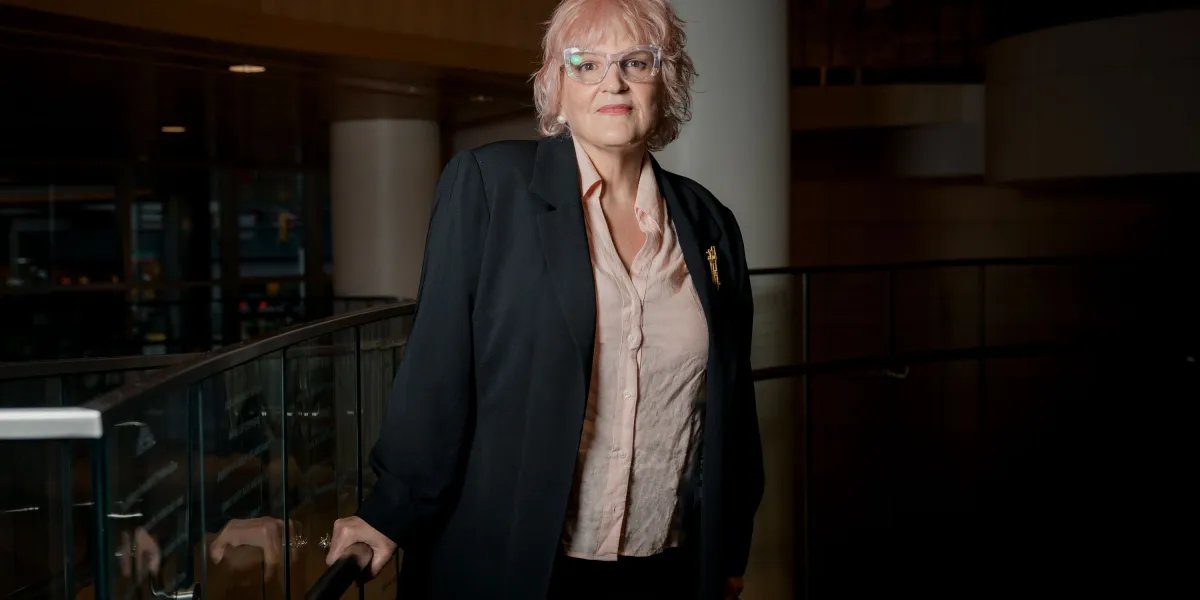
So far, the push has paid off. In 2021 the NIH awarded a $38.5 million grant to the Developmental Genotype-Tissue Expression Project (dGTEx), a major initiative aimed at establishing the first comprehensive database of healthy pediatric tissue. The project banks samples collected from otherwise healthy children who have died and whose parents agreed to donate their bodies, and maps how genes across all the major organ systems are expressed. Taylor and her team curate and standardize the information associated with each tissue donation, including family history and details about the samples. A separate group does analysis on the samples themselves, and then all the information is combined to create a database—a baseline of what gene expression looks like in children. It’s the first step to enabling research that could advance our knowledge of normal development, disease, drug effectiveness, and other phenomena.
The dGTEx team will eventually feed its data into the Human Cell Atlas, which, thanks to Taylor and many of the coauthors of the 2019 paper, now includes a pediatric section.
Taylor’s primary responsibility may be collecting and organizing data for dGTEx, but colleagues say she’s also the glue holding diverse research projects together. That’s especially important for the Human Cell Atlas, which depends on contributions from a loose coalition of researchers, all pursuing their own objectives. “Deanne took a big-picture view and said, We don’t just need to understand the pediatric kidney or the pediatric brain or the pediatric immune system. We need a holistic view of pediatric development,” says Sarah Teichmann, a cofounder of the Human Cell Atlas. “She embodies that interdisciplinary spirit.”
A healthy baseline
Taylor describes her career as a “random walk,” driven by a singular intensity she now attributes to undiagnosed autism and ADHD. At five, she began reading her mom’s medical texts. By 12, she was checking out physics books from the library. Physics provided mysteries to solve, and she wanted to understand how things worked.
Taylor got her PhD in biophysics, in 2001, but was inspired by the then-active Human Genome Project to change gears and take on a postdoc at Pfizer, writing code to handle complex data in rare-disease research. Then she moved to reproductive medicine, where she worked on some of the first computer programs to screen embryos for chromosomal abnormalities—many of which are still in use today.
Despite this seemingly winding road, Taylor says her focus has always been on understanding why the same illness hits people differently. How can two people carry the same disease-associated gene variant, but only one get sick?
The Human Cell Atlas—including all the data feeding into it from dGTEx and other projects—could at last help researchers find answers. The effort is a natural extension of the Human Genome Project. That initiative, which wrapped up in 2003, helped researchers link specific genes to specific diseases. But a map of the genome is a bit like a DIY kit with all the parts and no assembly manual. It doesn’t tell you where and how cells use each gene throughout the body.