dailynewsnblog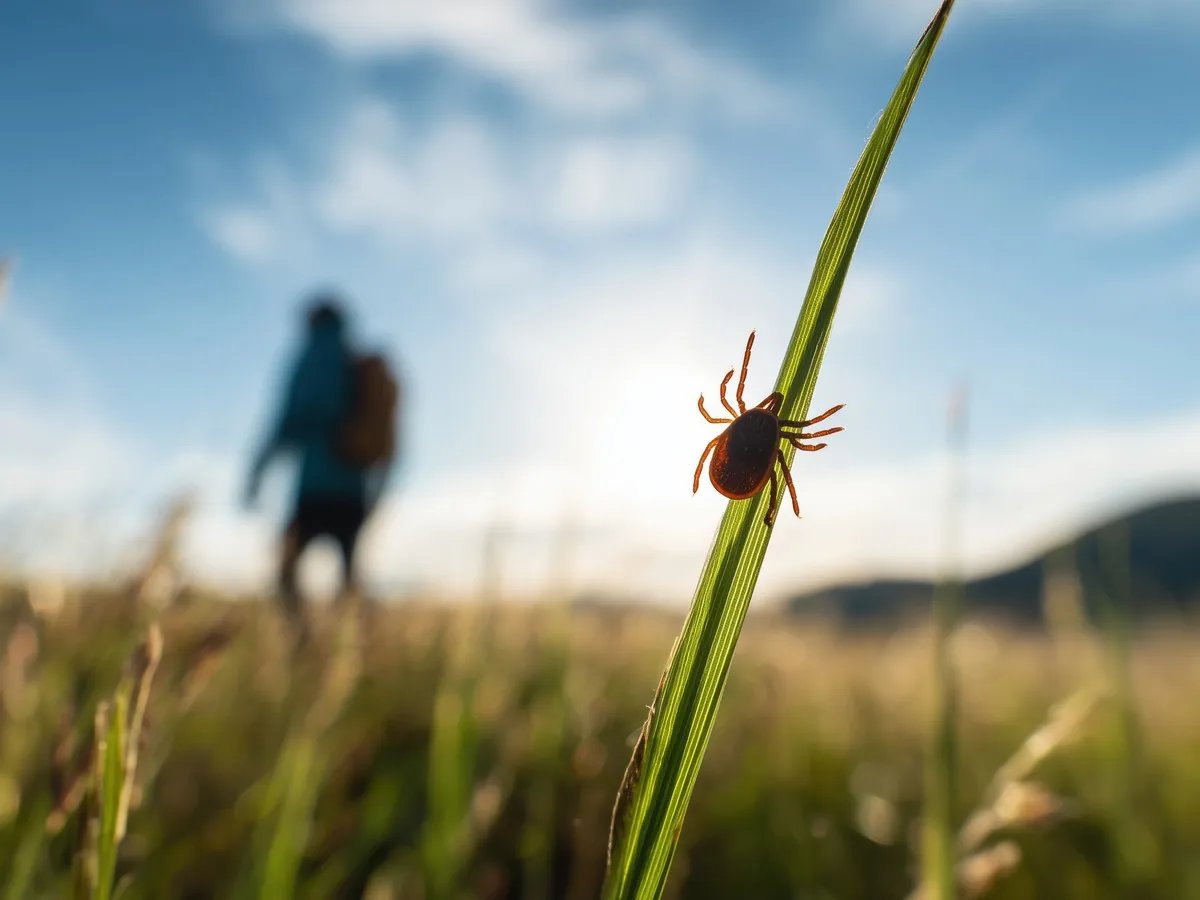
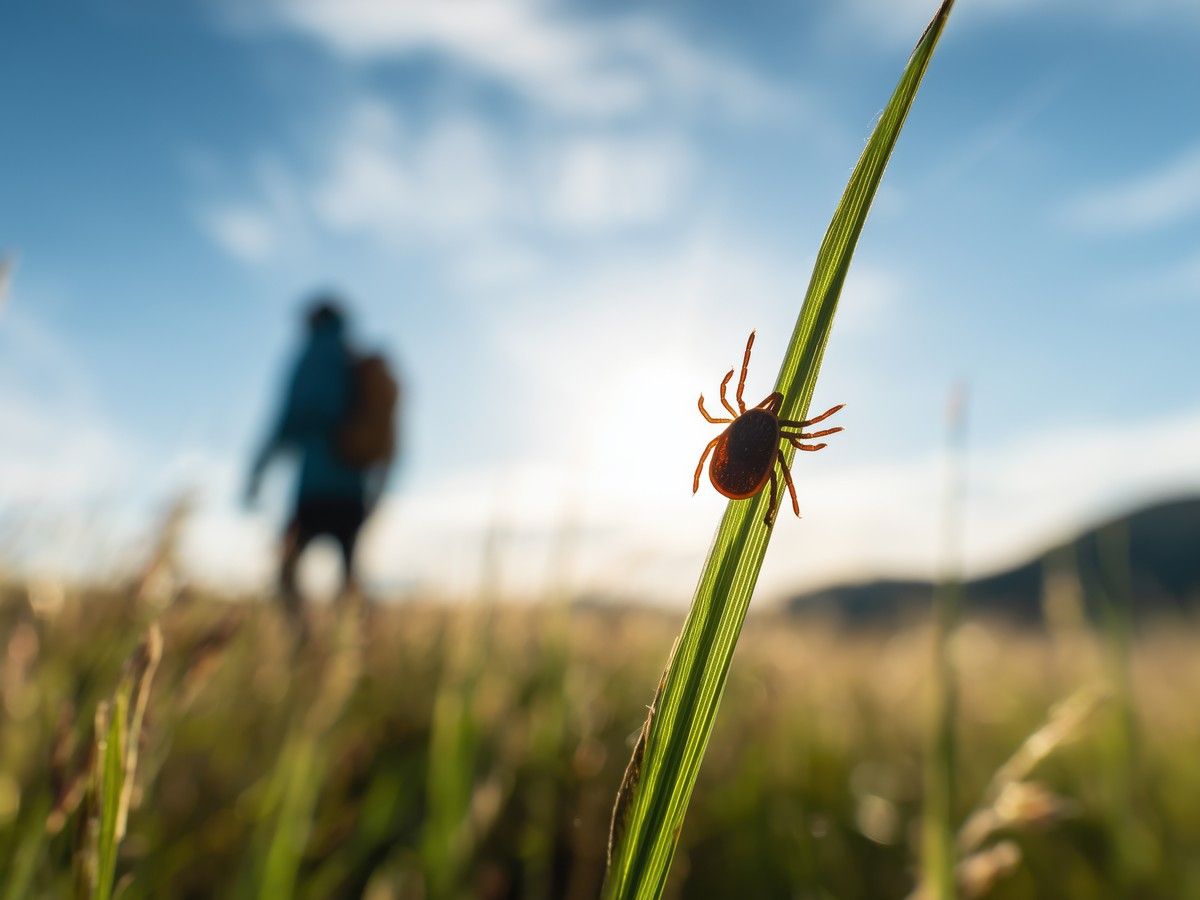
In 2009, there were only 144 reported human cases of Lyme disease in Canada. According to the most recent Public Health Agency of Canada (PHAC) data , there were 5,809 reported cases in 2024, and the preliminary number of cases for 2025 is 7,105. There’s no denying Lyme disease is on the rise.
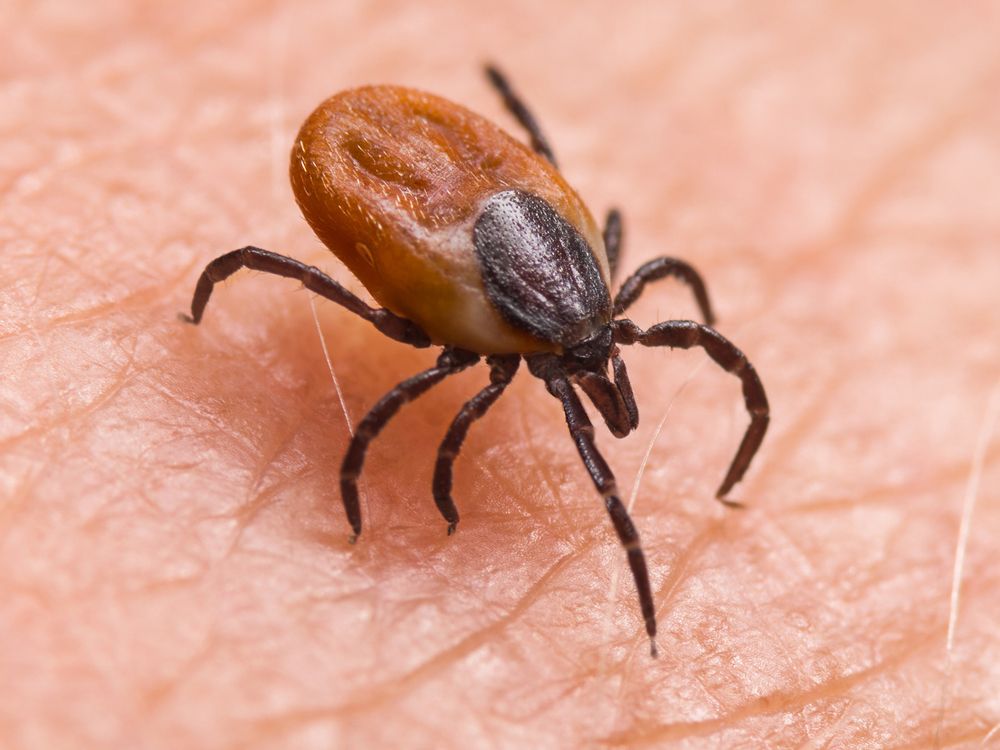
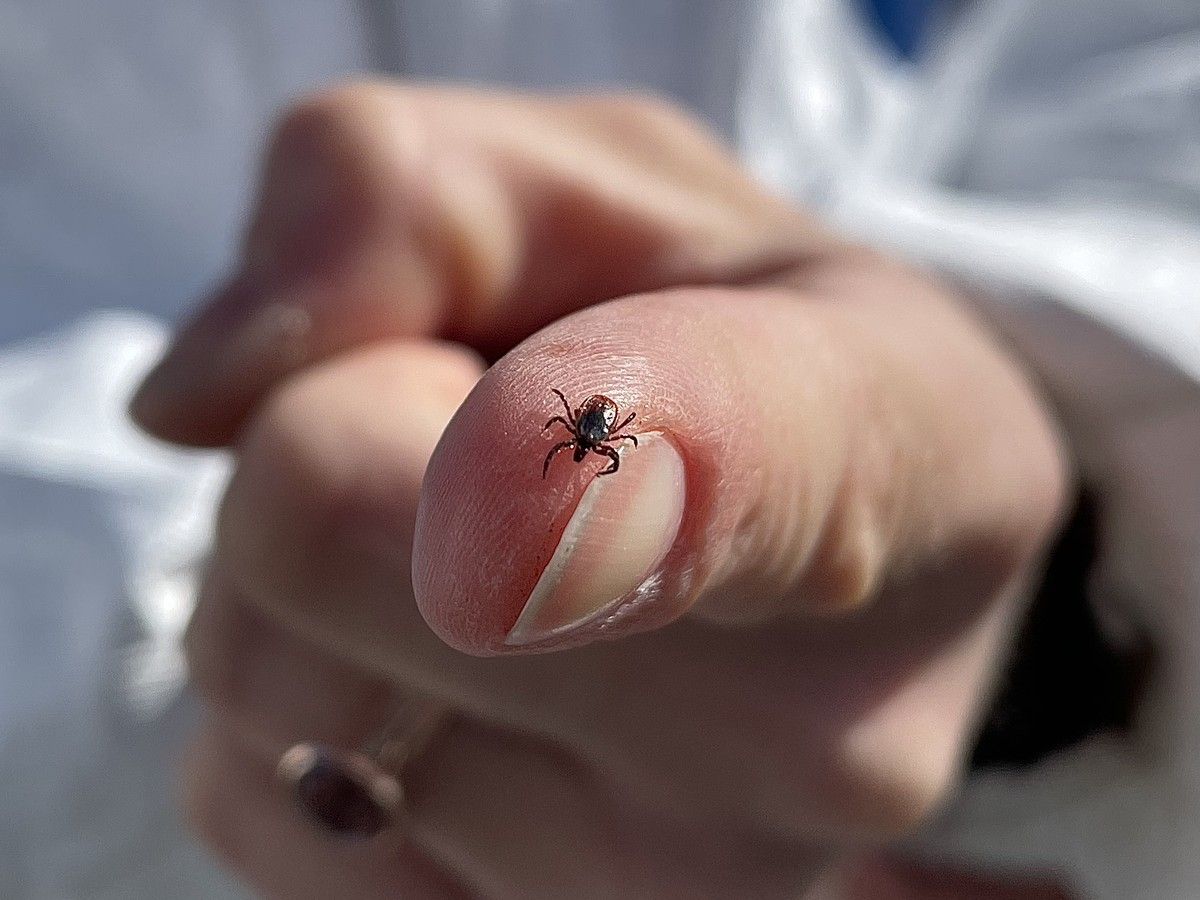
Caused by the bacterium Borrelia burgdorferi and spread through the bite of infected blacklegged ticks, the disease can cause fatigue, rash, fever, chills and muscle aches, among other symptoms . If left untreated, the infection can spread to joints, the heart and the nervous system.
Previously, a vaccine called LYMErix was administered to prevent Lyme disease. It was approved by the FDA in 1998, but withdrawn from the market just three years later, following reports of adverse reactions causing a lack of demand. Now, Lyme disease is treated with a course of antibiotics.
But Lyme disease vaccines for dogs have been available for years, so why isn’t there one for humans?
Is there a Lyme disease vaccine for humans?
No, there currently is no Lyme disease vaccine for humans. LYMErix was shelved in 2002, and there have been no new Lyme disease vaccines approved since.
However, the pharmaceutical company Pfizer and French biotech firm Valneva are currently working together to develop a new vaccine, PF-07307405. As of March 2026, it has completed Phase 3 clinical trials.
And Moderna is working on two more potential Lyme disease vaccines, called mRNA-1975 and mRNA-1982. These vaccines are not as far along in development as PF-07307405, and are both currently in Phase 2 clinical trials.
What do we know about the Pfizer and Valneva vaccine?
In March 2026, Pfizer and Valneva announced results from Phase 3 clinical trials of the Lyme disease vaccine they are co-developing.
It demonstrated more than 70 per cent efficacy in preventing Lyme disease in individuals aged five years and above after four doses, with Pfizer now planning submissions to regulatory authorities.
Annaliesa Anderson, senior vice president and chief vaccines officer at Pfizer, said in a news release that the result is “highly encouraging” and “creates confidence in the vaccine’s potential to protect against this disease that can be debilitating.”
PF-07307405 works by causing a vaccinated person to create antibodies that are ingested by ticks when they bite them. These antibodies then inhibit the bacterium’s ability to leave the tick, preventing it from being transmitted to the human host.
Dr. Isaac Bogoch , a professor at the University of Toronto in the Department of Medicine and an infectious diseases specialist, tells National Post that while a Lyme disease vaccine is “definitely needed,” the positive results from the Pfizer-Valneva aren’t a sure indicator of success just yet.
“It’s already three doses and a booster, so let’s just call it four doses,” he says. “The more doses, the more challenges you’re going to have with uptake and adherence. And if there are annual doses, and if it’s expensive and inconvenient, I think that’s going to limit the uptake.”
As for how long it could be until the vaccine rolls out, “that’s the million dollar question,” he says. At the moment, it’s unclear whether regulatory agencies might ask for more clinical data or improvements.
He adds that while the efficacy and side effect profile look good, “you don’t really know until it’s approved and it rolls out.”
“You can have the best phase three clinical study, but you’re still going to be capped on the enrollment numbers, and until you see it used in a community, you won’t have the most realistic picture,” he says.
What happened to the LYMErix vaccine?
LYMErix was withdrawn by the manufacturer amid falling sales, prompted by widespread coverage of reported side effects and a class action lawsuit, despite the FDA determining it to be safe for public use.
According to a scientific paper outlining the development and eventual shelving of the vaccine, which was published in the journal Epidemiology & Infection in 2006, LYMErix had nearly 80 per cent efficacy in preventing Lyme disease after three doses. However, the trial was conducted on subjects between 15 and 70 years old, meaning LYMErix was not approved for use on children.
Around a year after LYMErix was first rolled out, reports of adverse reactions, including arthritis, began to circulate. A class-action suit against the developer, GlaxoSmithKline (GSK), which was called SmithKline Beecham at the time, was filed in 1999.
By 2001, 1.4 million Lyme vaccine doses had been distributed in the U.S., and there were 59 reports of arthritis associated with vaccination. “The arthritis incidence in the patients receiving Lyme vaccine occurred at the same rate as the background in unvaccinated individuals,” the paper explains.
And after reviewing the Phase 3 trial that allowed the licensing of the vaccine, the FDA found no suggestion that LYMErix caused harm to its recipients.
Nevertheless, press coverage of vaccine risks and ongoing litigation caused sales to fall dramatically and, in February 2002, GSK decided to withdraw LYMErix from the market.
“Even though the regulatory agencies didn’t find any proof that the vaccine caused arthritis, it just wasn’t profitable,” Bogoch says. “What’s interesting, though, is a very similar vaccine is still used to this day for dogs.”
Why is it taking so long to develop a new Lyme disease vaccine?
Only the vaccine manufacturers know the real answer to this question, says Bogoch. “Is it hard to make a vaccine? Of course. But it’s not like there isn’t the human capacity to come up with target candidates and a pipeline to develop this.”
He speculates that the fate of LYMErix may have disinclined manufacturers from developing a new Lyme disease vaccine. “Vaccine manufacturers are not just in the business of helping humanity; they’re also in the business of making money,” he says.
“They might have seen the earlier challenges with the prior vaccine — how there was negative press associated with it and a limited market. And some of these decisions could have been driven by market demand as well.”
What else can be done to prevent Lyme disease?
The best way to prevent contracting Lyme disease is to prevent tick bites. This can be done by wearing pants and long-sleeve shirts, using insect repellents and doing a tick check after being outdoors. Bogoch says insect repellents that contain 30 per cent DEET or 20 per cent Icaridin are usually the most effective.
If you find a tick, remove it using a pair of tweezers to pull it out, rather than twisting or squeezing, which could leave the head behind and increase the chances of infection.
“The infection isn’t transmitted right away after a tick bite,” explains Bogoch. “It actually takes 24 hours or more for the tick to be attached before Lyme is transmitted. If it’s removed quickly enough, the risk of transmission is low.”
Meanwhile, pharmacists can prescribe antibiotic prophylaxis after exposure to prevent Lyme disease in provinces including Ontario, Quebec, New Brunswick and Nova Scotia.
If you’re worried, or you’re experiencing symptoms, talk to your physician. Tests are available at provincial health laboratories, and treatment is a course of widely used antibiotics.
Our website is the place for the latest breaking news, exclusive scoops, longreads and provocative commentary. Please bookmark nationalpost.com and sign up for our newsletters here.