dailynewsnblog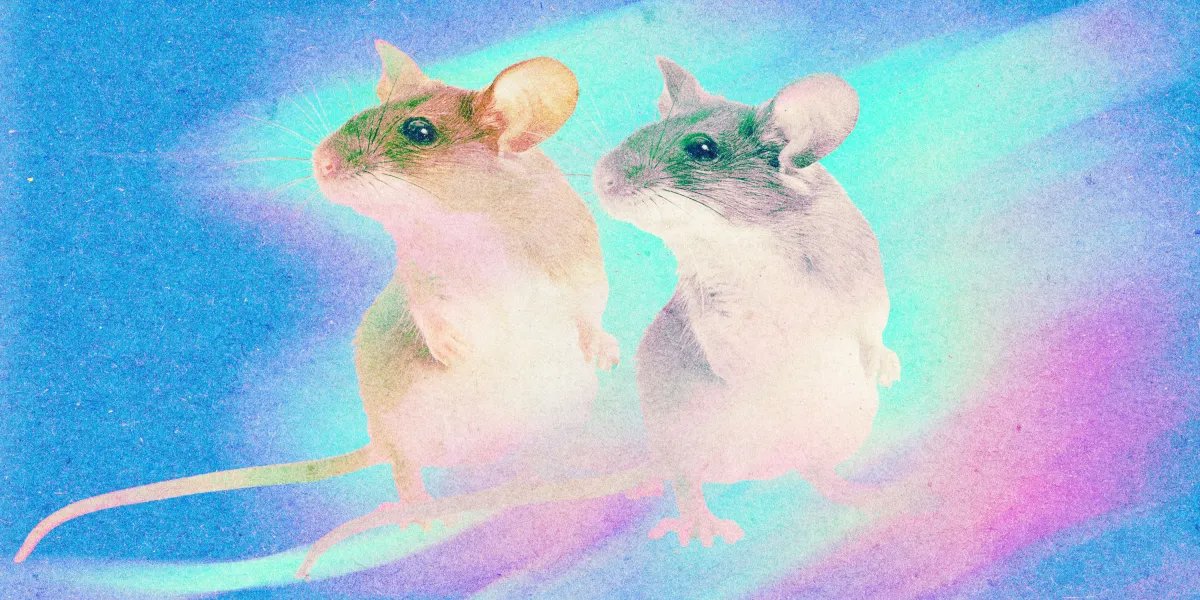
Ishiuchi and his colleague Shogo Matoba of the Riken BioResource Research Center hope their approach could be helpful in conservation efforts, especially in cases where we might have only a few individuals of a species left. But cloning has multiple uses, ranging from the cool to the outright creepy.
We can’t talk about cloning without mentioning Dolly, the celebrity sheep born in 1996 and the first mammal successfully cloned from an adult cell. In that case, scientists took the DNA-containing nucleus of an adult mammary cell from one sheep and transferred it into an egg cell that had had its own nucleus removed. The resulting embryo was transferred to a surrogate sheep, which gave birth to Dolly—an animal genetically identical to the DNA donor.
The scientists behind that work were interested in genetically modifying livestock. Farmers have essentially been doing this for thousands of years through selective breeding, but cloning allows scientists to create genetic replicas of animals with desirable traits.
Cloning is also being used to replicate deceased pets, including, famously, those of Barbra Streisand and Tom Brady, among others. For a price somewhere in the tens of thousands of dollars, a company can take cells from your pet and turn them into a living, breathing clone.
Considering that cloning also requires egg cells from another animal, and a surrogate animal to carry the pregnancy, not everyone is on board with this, especially since there is no medical or environmental need for the procedures. One bioethicist, Jessica Pierce, has described this aspect of dog cloning as “the exploitation of the canine underclass.”
The case for cloning is stronger when it comes to conservation—where some argue there is environmental value.
Scientists have been preserving animal tissues for years. Some of these tissues are cryopreserved at low temperatures in “frozen zoos.” The facility at the San Diego Zoo, for example, currently has cells from over 1,300 species. Some of these samples were taken decades ago.