dailynewsnblog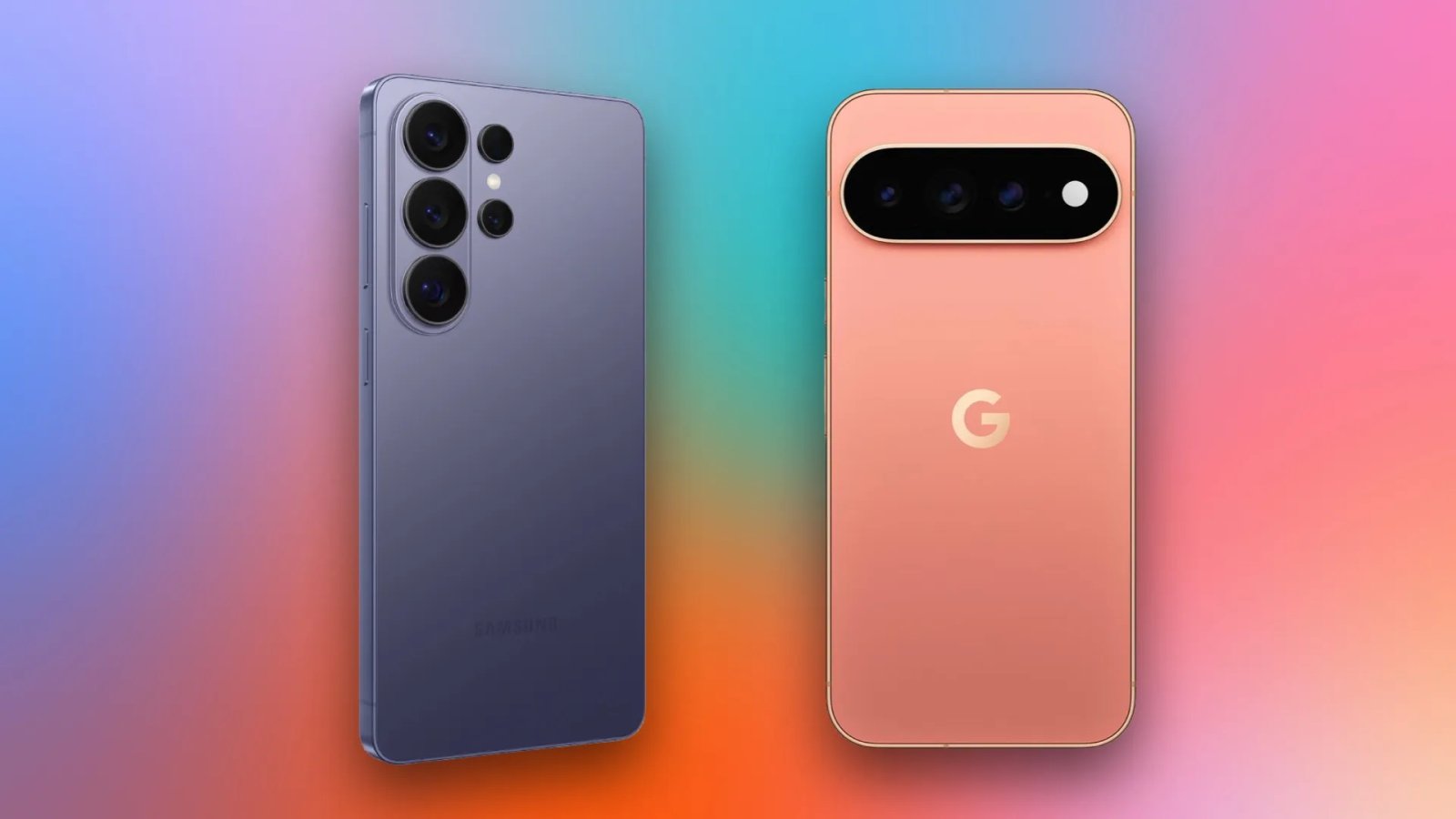
Google’s new Pixel 11 Pro XL, like Samsung’s Galaxy S26 Ultra, is one of the most innovative phones that you can buy. And I’d expect as much since both of these top-of-the-line offerings start at $1,300. For that price, both have a big screen, a versatile camera setup, a large battery and plenty of AI features. They are everything you’d expect from a flagship phone.
However, for years, Google priced its Pixel Pro XL models at hundreds of dollars less than the Galaxy S Ultra. But the new Pixel 11 Pro XL doesn’t undercut the Galaxy S26 Ultra’s price. (OK, technically, it does by 99 cents in the US.) The Pixel 11 Pro XL starts at $1,299, and the Galaxy S26 Ultra at $1,300.
You can buy the Galaxy S26 Ultra for $1,050 ($250 off) from Best Buy at the time of this writing. The Pixel 11 Pro XL is available to preorder and will be in stores starting Aug. 20. But before you make a buying decision, there are major differences that you should know between Samsung’s and Google’s best. For example, the S26 Ultra has a stylus and a privacy display, and the Pixel has the HiLight notification light. Here’s how the new Google Pixel 11 Pro XL compares with the Samsung Galaxy S26 Ultra
Pixel 11 Pro XL vs. Galaxy S26 Ultra: Design and build

Both phones are big and wide. The Pixel 11 Pro XL has a 6.8-inch LTPO OLED panel with a 2,992×1,344-pixel resolution (486 pixels per inch), while the S26 Ultra has a 6.9-inch AMOLED display with a slightly sharper 3,120×1,440-pixel resolution (500 pixels per inch). Both support a variable 120Hz refresh rate that can drop to 1Hz to save your battery life during mundane tasks (like Always on Display).

The Galaxy S26 Ultra’s Privacy Display setting prevents snoopers from peeking at what’s on your screen.
Andrew Lanxon/CNET
Google’s phone is rated for 3,600 nits of peak brightness, while the Galaxy S26 Ultra can go up to 2,600 nits under direct sunlight. I haven’t held them side by side yet, but both of them should be legible in harsh lighting conditions.
However, Samsung has a special feature that you won’t find on any other smartphone. The Galaxy S26 Ultra has Privacy Display, which can shield your screen content from the stray eyes of onlookers. Once activated, the display gets harder to see from the sides. You can still view everything when looking directly at the phone, but it won’t be visible to anyone stealing a peek from the side. I love that Samsung’s Privacy Display can be used on a per-app basis, so even pop-up notifications from those apps are part of this setup.

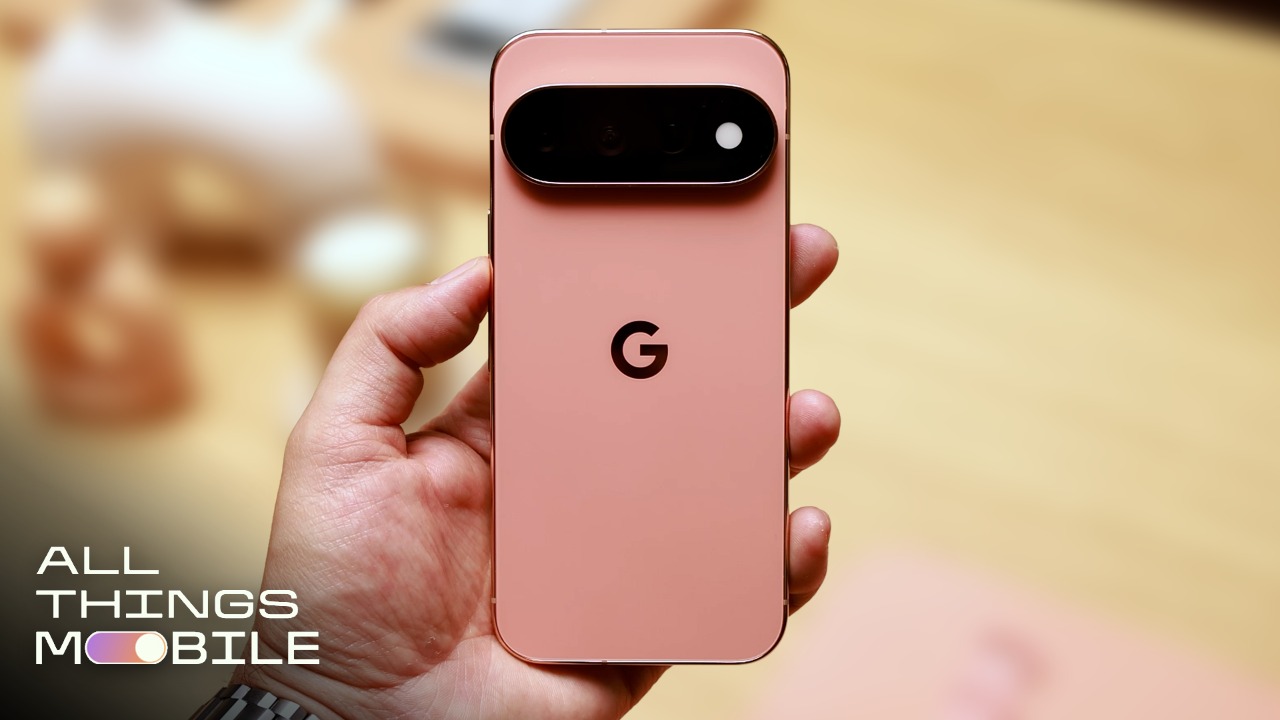
The Pixel 11 Pro XL doesn’t have anything close to Privacy Display. However, it has an all-new HiLight LED on the back. It’s an array of ambient LED lights built around the camera’s flash to “give you light-based communications on the back of the phone,” Google says. Remember the notification LED on BlackBerry phones? It’s basically the same idea.
It lets you see an incoming call from your favorite contacts when the phone is face down. As of now, this is limited to calls, but Google told me in a group briefing that it is working on expanding the capability to messages as well. To differentiate it from past notification lights, HiLight also doubles as a soft visual cue to indicate when Gemini is listening, thinking, and responding without you having to look at your screen.

The S Pen poking out of the Ultra.
James Martin/CNET
The Galaxy S26 Ultra stands out with another feature: the S Pen. If you want to jot down notes on your phone with a stylus, Samsung is your best bet. The 11 Pro XL lacks a built-in stylus, and Google doesn’t make an optional one for the phone.
Both phones are IP68 rated for dust and water resistance. So if you drop either phone in a meter of water (3 feet), they should be fine for up to 30 minutes of immersion. While Google relies on Gorilla Glass Victus 2 cover glass for display protection, Samsung uses Gorilla Armor 2, which is theoretically more scratch-resistant. You can expect similar durability on both devices.
While the S26 Ultra is lighter at 214 grams, about the weight of a large notebook, its sharp sides are not comfortable to hold. The 227-gram Pixel 11 Pro XL (about the weight of two sticks of butter) might be more pleasant to hold because of its shape, even though it weighs more. The Pixel has built-in Qi2.2 magnets for attaching to wireless chargers and wallet accessories. You’ll need to buy a magnetic case to get the same capability on the Samsung phone.
Each base model has 12GB of RAM and 256GB of storage. But if you’re looking for 16GB of memory, both the Pixel and Ultra include it on variants with 512GB and 1TB storage.
Pixel 11 Pro XL vs. Galaxy S26 Ultra: Cameras

Google has improved its camera game this year, at least on paper. The Pixel 11 Pro XL has a new 1/1.3-inch main sensor and a larger, redesigned telephoto sensor that “pulls in 32% more light than the previous generation,” according to the company.
Here’s how the cameras on both phones compare.
Galaxy S26 Ultra and Pixel 11 Pro XL’s camera resolutions
| Wide-angle | Ultrawide | 5x Telephoto | 3x Telephoto | Selfie | |
|---|---|---|---|---|---|
| Pixel 11 Pro XL | 50 megapixels | 48 megapixels | 50 megapixels | None | 42 megapixels |
| Galaxy S26 Ultra | 200 megapixels | 50 megapixels | 50 megapixels | 10 megapixels | 12 megapixels |
In my testing, I found the S26 Ultra’s 3x lens to be very limiting. But if used right, the main camera can deliver better results when cropped to 3x in hi-res mode.
Both phones can record 8K resolution video, but Samsung offers a new Horizontal Lock feature that might be useful if you shoot action videos or simply want better stabilization. Once turned on, you get remarkably steady videos in hectic environments. Other S26 Ultra camera features include Galaxy AI-supported tools for object removal and the ability to change your outfit with a prompt.

Horizontal lock was one of a handful of AI-powered features that Samsung included on the Galaxy S26 Ultra. It helps your videos look level, no matter how much you twist and rotate the phone while recording.
Abrar Al-Heeti/CNET
The Pixel 11 Pro XL, on the other hand, is introducing Camera Looks. It is an Apple Photographic Styles-like feature that offers film looks directly in the camera app. There’s also a new Magic Capture mode, which uses AI to select the best still images from a short video clip. This could be a great tool for parents, enabling them to capture the perfect snap of their kids without having the timing of a professional photographer. Like the S26 Ultra, the Google phone also has AI-led features like an object removal tool, Camera Coach (a Gemini-powered guide to improve your photography) and Add Me (to add the photographer into a group shot), among other things.
Pixel 11 Pro XL vs. Galaxy S26 Ultra: Battery and performance

Both phones have similar battery capacity, with the Galaxy S26 Ultra packing a 5,000-mAh cell and the Pixel 11 Pro XL with 5,115 mAh. Both devices support 25-watt wireless charging, but the Samsung phone can be charged faster in wired mode. It supports 60-watt wired charging compared with the Pixel 11 Pro XL’s 45-watt speeds. We’ll have to wait for CNET’s battery tests to get more real-world metrics.
Google upgraded its new phones with a more powerful Tensor G6 chip. As per the company, it co-designed the silicon architecture alongside the latest AI models from Google DeepMind to deliver higher quality and lower latency for AI tasks. You can expect faster performance than last year, but we’ll have to test that in our review.
In comparison, the Galaxy S26 Ultra is powered by Qualcomm’s Snapdragon 8 Elite Gen 5 “for Galaxy” chip (optimized for Galaxy AI). The Pixel 11 Pro XL launches with Android 17 (with Pixel UI on top), while the Galaxy S26 Ultra has Android 16 (with One UI 8). Samsung is testing its Android 17-based One UI 9 for the S-series models, but it is currently in beta.
I like it better than One UI because of the transparent widgets, Good Lock and Expert Raw, but Pixel UI has some nifty new features. For instance, Bubbles are more intuitive way to multitask than Samsung’s split-screen mode. Then there’s Rambler for better voice-to-text dictation. It can automatically remove filler words like “um” and “ah” from your voice memo and transcribe a more concise, clear text. Both phones have their software quirks, but the Pixel UI is better than ever and now compares more favorably with One UI.
To learn more about the two phone see the specs chart below.
Google Pixel 11 Pro XL specs vs. Samsung Galaxy S26 Ultra
| Google Pixel 11 Pro XL | Samsung Galaxy S26 Ultra | |
|---|---|---|
| Display size, tech, resolution, refresh rate | 6.8-inch OLED, 2,992×1,344 pixels, 120Hz refresh rate | 6.9-inch AMOLED; 3,120×1,440 pixels; 1-120Hz adaptive refresh rate |
| Pixel density | 486 ppi | 500 ppi |
| Dimensions (inches) | 6.4×3.0×0.3in | 6.44×3.07×0.31 |
| Dimensions (millimeters) | 162.6×76.2×7.6mm | 163.6×78.1×7.9 |
| Weight (grams, ounces) | 227 g (8.0 oz) | 214 g (7.55 oz.) |
| Mobile software | Android 17 | Android 16 |
| Camera | 50-megapixel (wide), 48-megapixel (ultrawide), 48-megapixel (telephoto) | 200-megapixel (wide), 50-megapixel (ultrawide), 10-megapixel (3x telephoto), 50-megapixel (5x telephoto) |
| Front-facing camera | 42-megapixel | 12-megapixel |
| Video capture | 8K at 30fps | 8K |
| Processor | Tensor G6 | Qualcomm Snapdragon 8 Elite Gen 5 for Galaxy |
| RAM + storage | 12GB RAM + 256GB, 16GB + 512GB, 1TB | 12GB RAM + 256GB; 16GB RAM + 512GB, 1TB |
| Expandable storage | None | None |
| Battery | 5,115 mAh | 5,000 mAh |
| Fingerprint sensor | Under display | Under display |
| Connector | USB-C | USB-C |
| Headphone jack | None | None |
| Special features | HiLight LED, 45W wired charging, 25W Qi 2.2 wireless charging, Gemini, Magic Capture, Creator Suite Rambler, Live Translate with American Sign Language, IP68 dust and water resistance, 7 years of software and security updates | Aluminum frame; 7 years of OS and security updates; IP68 water and dust resistance; wireless PowerShare to charge other devices; integrated S Pen; UWB for finding other devices; 60W wired charging (charger not included); 25W wireless charging; no magnets for accessories; Galaxy AI; Gorilla Glass Armor 2 cover glass; privacy display |
| US price starts at | $1,299 (256GB) | $1,300 (256GB) |

See full bio