dailynewsnblog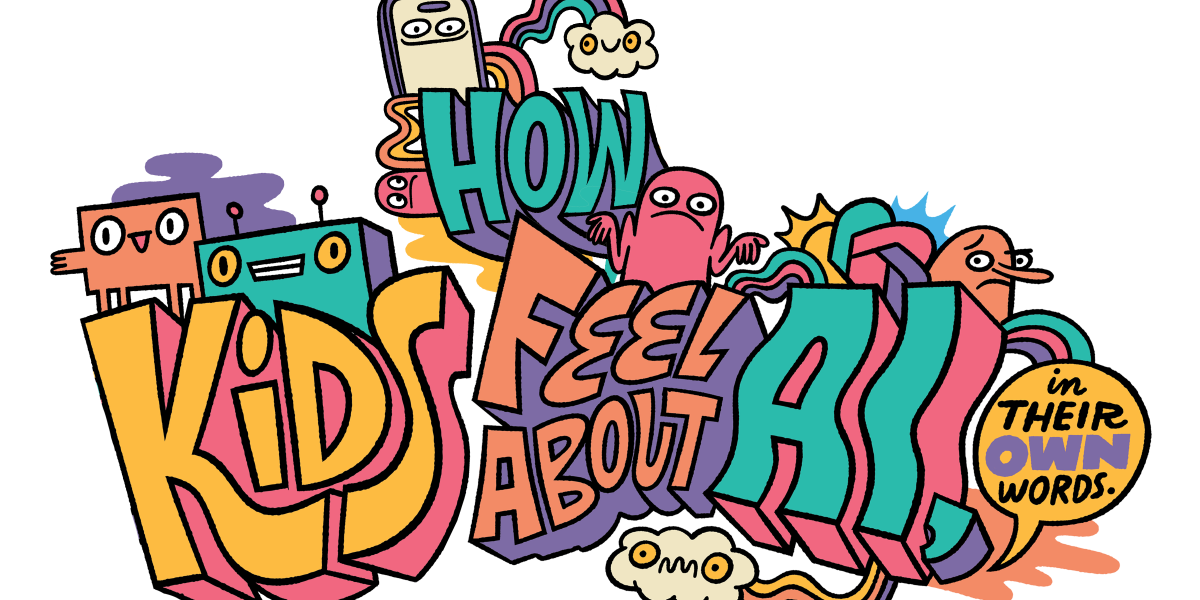
When we set out to talk to kids about AI, we thought we knew what we’d hear. We expected stories about cheating, inspiring uses, and concerns like deepfakes or job destruction. But what we actually heard from kids aged 10 to 18 had tons of nuance.
Many were so deeply against AI or uninterested in making it part of their lives that they didn’t want to talk about it at all. Others worried about cheating, the environmental impact, or AI’s effect on creativity and critical thinking.
AI doesn’t yet seem to be something a lot of them are focused on—and they aren’t begging for it, the way they do for iPhones and Snapchat. But what surprised us most was how much young people could teach adults about AI.
Meet the kids navigating an AI-filled future—and hear what they think of it.
Scientists just created female clones of male mice
Scientists have deliberately turned male mouse embryos into females for the first time. A team based in Japan used a CRISPR-based approach to remove the Y chromosome from male cells and create female clones of male mice.
The feat could change the way scientists think about reproduction, says Takashi Ishiuchi, a reproductive biologist at the University of Yamanashi, who co-led the work. “There’s a fixed concept in our scientific field that we need both females and males for reproduction,” says Ishiuchi. “I think we could change this concept.”
He also hopes the technique could help rescue endangered species, particularly in cases where only a few individuals remain. Find out how it works—and what it could mean for the future of reproduction and conservation.
—Jessica Hamzelou