dailynewsnblog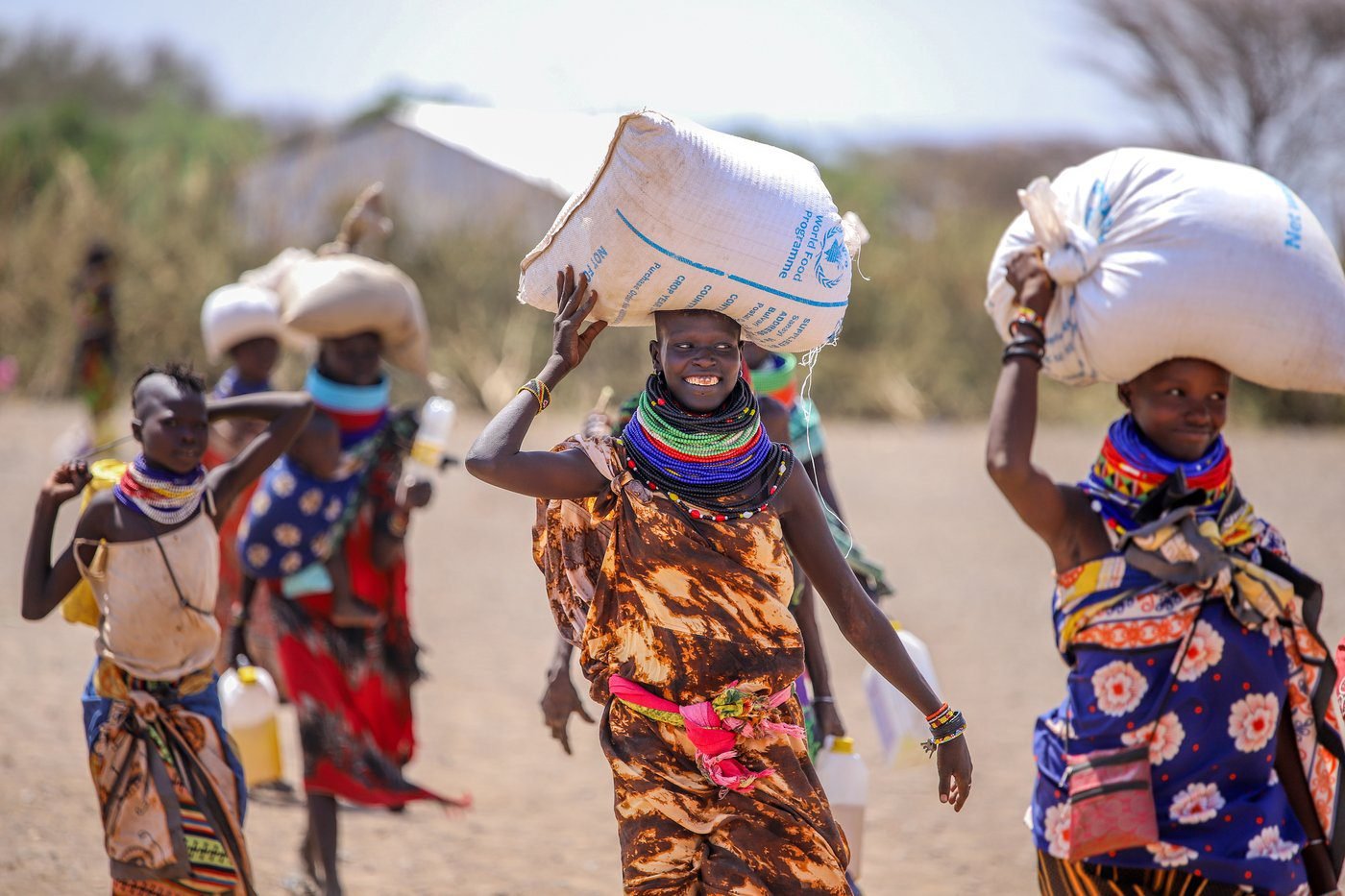
OTTAWA — Some in Canada’s aid sector say they’re growing more and more concerned by how closely the Carney government is tying foreign aid to its efforts to boost domestic economic growth.
Here’s a look at why Ottawa wants more domestic spinoffs from aid, whether that will work — and why the idea faces pushback.
What is the point of foreign aid?
Development assistance seeks to alleviate poverty and address the issues that drive conflict, disease and migration, according to Results Canada, a poverty research and advocacy organization.
“Canada must invest in international development because it fosters global stability, economic growth and humanitarian progress, which ultimately benefits everyone,” the group argues on its website.
“It is both the right and smart thing to do to support people in low- and middle-income countries to educate their children, feed their families and care for their sick.”
Since 2008, the Official Development Assistance Accountability Act has required the minister overseeing Ottawa’s foreign aid to prioritize poverty reduction, consult with communities receiving aid and respect human rights standards.
Can you link aid to economic benefits?
Some governments deliver foreign aid by providing recipient countries with goods or services produced by companies in the donor countries themselves — so-called “tied aid.”
The idea is to use aid to support domestic industries and, in some cases, secure access to markets in countries that otherwise restrict foreign competition.
Japanese aid money has been used to hire Japanese construction firms to build roads and ports in parts of Southeast Asia, cutting out local builders. The United States subsidizes its farmers by purchasing surplus crops and sending them to specific countries.
A 2003 study published by the Journal of the Japanese and International Economies suggested major donor countries generated $1.33 in exports for every dollar they spent on aid.
Tied aid usually applies to development assistance for things like building hospitals and providing education. It less often applies to humanitarian aid — resources used to house and feed survivors in the aftermath of an earthquake, for example.
Does foreign aid help Canadians economically?
Economists generally accept that foreign aid creates economic spinoffs domestically, even if they disagree on how valuable they are.
The federal Conservatives asked the federal government last October to produce its own analysis. Randeep Sarai, Canada’s secretary of state for international development, said aid generally leads to better security and, eventually, more market access for Canada in recipient countries.
“I think you’ll see a steady increase in terms of where we’ve given development dollars,” he said. “This is a soft power that helps us.”
A Carleton University study commissioned by the aid coalition Co-operation Canada and published last month found every dollar in core aid spending nets an increase in Canadian exports of four cents, but that boost takes four to five years to appear.
The coalition also warned Ottawa last week that “aid should not be used to pursue short-term commercial gains.”
Is tied aid a good thing?
In a June 6 blog post, aid analyst Lauren Dobson-Hughes said the perceived benefits of tied aid include maintaining public support for aid during austerity periods and helping people abroad while still securing economic spinoffs.
She also said tied aid is generally seen as ineffective.
Here’s an example: a UN agency feeding people displaced by an earthquake might buy pasta in bulk from the cheapest supplier, or from a local producer to support the local economy.
Exporting Canadian grain to be processed into pasta for aid could cost more and take a lot longer, resulting in fewer people being fed.
“It artificially cuts out local firms who could bid for contracts, hire local people and support local economies,” Dobson-Hughes wrote, citing the need for local services to maintain aid equipment.
“Everyone who works in aid has stories of shiny equipment sitting broken and unused after mere months, because nobody in the country has the skills to repair or maintain it.”
Africa analysts have often warned that tied aid shifts economic benefits toward rich countries, while undermining local firms and entrenching a reliance on foreign technology.
The Organization for Economic Co-operation and Development, a group of mostly rich countries, argues tied aid leads to reduced competition in procurement that increases aid costs by up to 30 per cent.
The OECD identified just two per cent of Canadian development dollars as tied aid in 2024.
What is the Carney government’s approach?
Prime Minister Mark Carney has cut foreign aid and demoted the role of overseeing it from a ministerial post to a state secretary. He also has assigned a parliamentary secretary to oversee both trade and aid — suggesting how closely he links the two files.
In a media statement, Global Affairs Canada insists it is “fully committed to, and compliant with” the 2008 law on development spending and is not practising tied aid.
“Investments in support of economic partnerships with developing countries do not require aid to be tied to Canadian goods, services, or suppliers,” wrote department spokeswoman Renelle Arsenault.
“Canada’s aid can remain untied while supporting stronger, mutually beneficial economic relationships with its partner countries.”
Arsenault wrote that this approach reflects the priorities outlined by many developing countries that want sustainable, inclusive economic growth.
Dobson-Hughes argues that, despite what the federal Liberals say, Canada is tying its aid to corporate benefits.
“Canada is making a hard pivot toward tied aid. For example, we’re exploring using aid to support domestic potash, potato and lentil industries, presumably exporting produce as a form of aid, into essentially protected markets in developing countries,” she wrote in her blog post.
When asked, the foreign service did not rule out using aid to boost those industries.
“Global Affairs Canada will seek opportunities where development and trade can meaningfully complement one another, but this will not come at the expense of the core development priorities,” Arsenault wrote.
“Canada will continue to advance poverty-reduction initiatives through traditional development approaches that support the most vulnerable, including in contexts where alignment with trade is not appropriate or possible.”
What are people worried about?
Former Liberal MP John McKay sponsored the 2008 law that sets out how Canada’s foreign aid is spent. He told the publication Canadian Affairs in March that he fears the Carney government is not following the law and is implementing “a more sophisticated version of tied aid.”
The Canadian Centre for African Affairs and Policy Research argued earlier this month that Ottawa would be shifting its focus away from improving lives if it linked aid to trade.
“Once Canadian commercial returns become part of the public justification for aid, they will inevitably begin to influence where assistance goes, which sectors receive priority, how projects are procured and which outcomes are treated as evidence of success,” says the organization’s Aug. 1 analysis.
“What is presented as mutual benefit can become a system in which development spending is retained because of what it may return to Canada rather than what it demonstrably achieves for communities abroad.”
The analysis argued that development loans and grants that create infrastructure, educate locals for jobs in key industries and introduce digital systems can unlock economic gains for people on the ground — if they’re structured correctly.
It also noted that, by prioritizing benefits for Canadian companies over fostering local competition, tied aid could prevent countries from expanding their own exports.
This report by The Canadian Press was first published Aug. 12, 2026.
Dylan Robertson, The Canadian Press