dailynewsnblog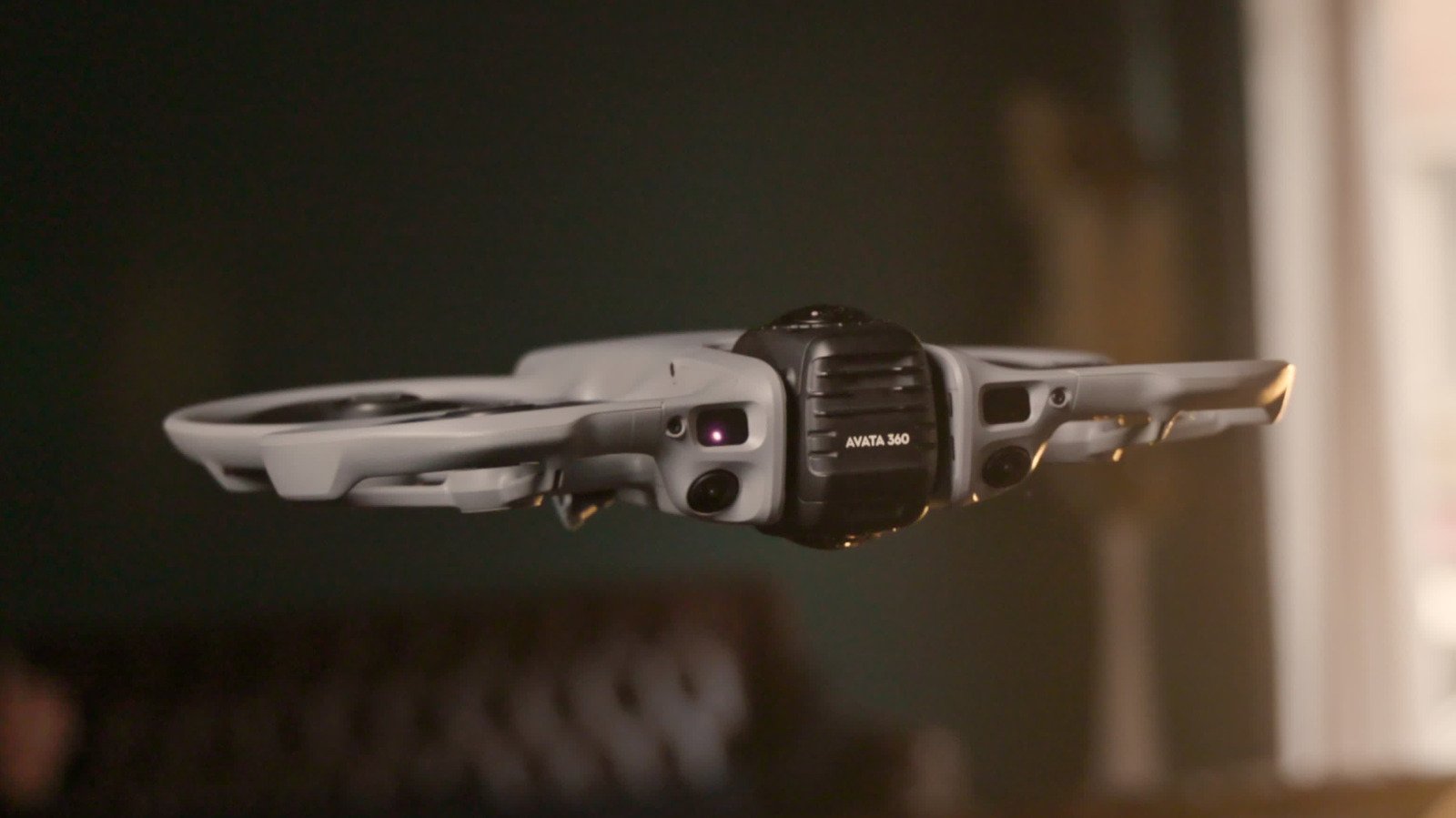
This would include several models from DJI, including the consumer-level Air 3S and Mini Pro 5.
The FCC is planning to target even more products in its drone ban, including those it previously approved, and DJI has issued a call to action in response. The federal agency is proposing to prohibit models equipped with certain capabilities, like thermal imaging, LiDAR sensing and aerosol dispensing. Any new ban would not affect drones already in the hands of buyers.
In a public notice posted last month, the FCC “seeks comment on extending this prohibition to categories of drones viewed by the US government as having military capability or posing particular national security risks.” The proposed expansion would also restrict drones that can “integrate defense articles, those that use docking stations” and “swarming drones.”
The FCC’s campaign began in December 2025 when it added foreign-made drones and their critical components to the Covered List, or its catalog of communications equipment and services that are “deemed to pose an unacceptable risk to the national security.” This change to the Covered List only affected upcoming drone models, so older drones that were already approved by the FCC and on the market were still allowed to be sold.
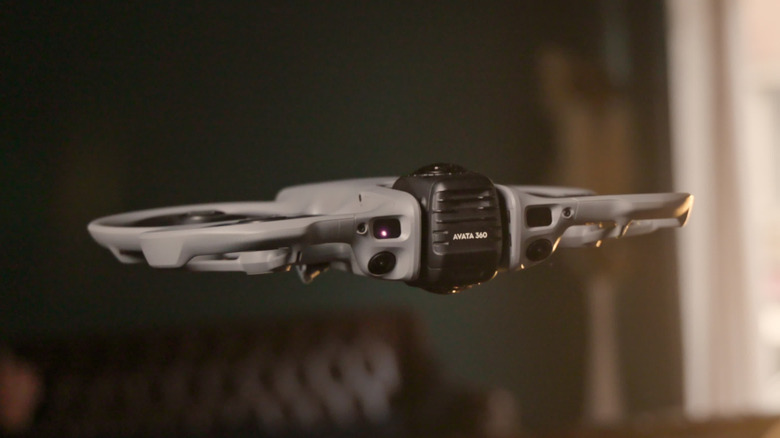
Last month, the FCC expanded its drone ban to cover products sold from companies that were suspected to be rebranding DJI products. Now, certain consumer DJI drones equipped with LiDAR sensing, like the DJI Air 3S, DJI Avata 360 and the DJI Mini 5 Pro could retroactively be pulled from the market. The ban could also affect DJI’s commercial drones used for missions like agricultural spraying or search and rescue.
The FCC emphasized that a ban would not affect any drones already purchased by users, but it would bar DJI and other manufacturers from selling more of them. This could still severely impact buyers as parts may become scarce and software features could be removed or not updated.
In a post on its official ViewPoints blog, DJI condemned the FCC’s latest request, calling the move a “total reversal” from the agency’s previous position. The FCC is seeking comments on the proposal to ban these drones with “military-grade” features until September 2.