dailynewsnblog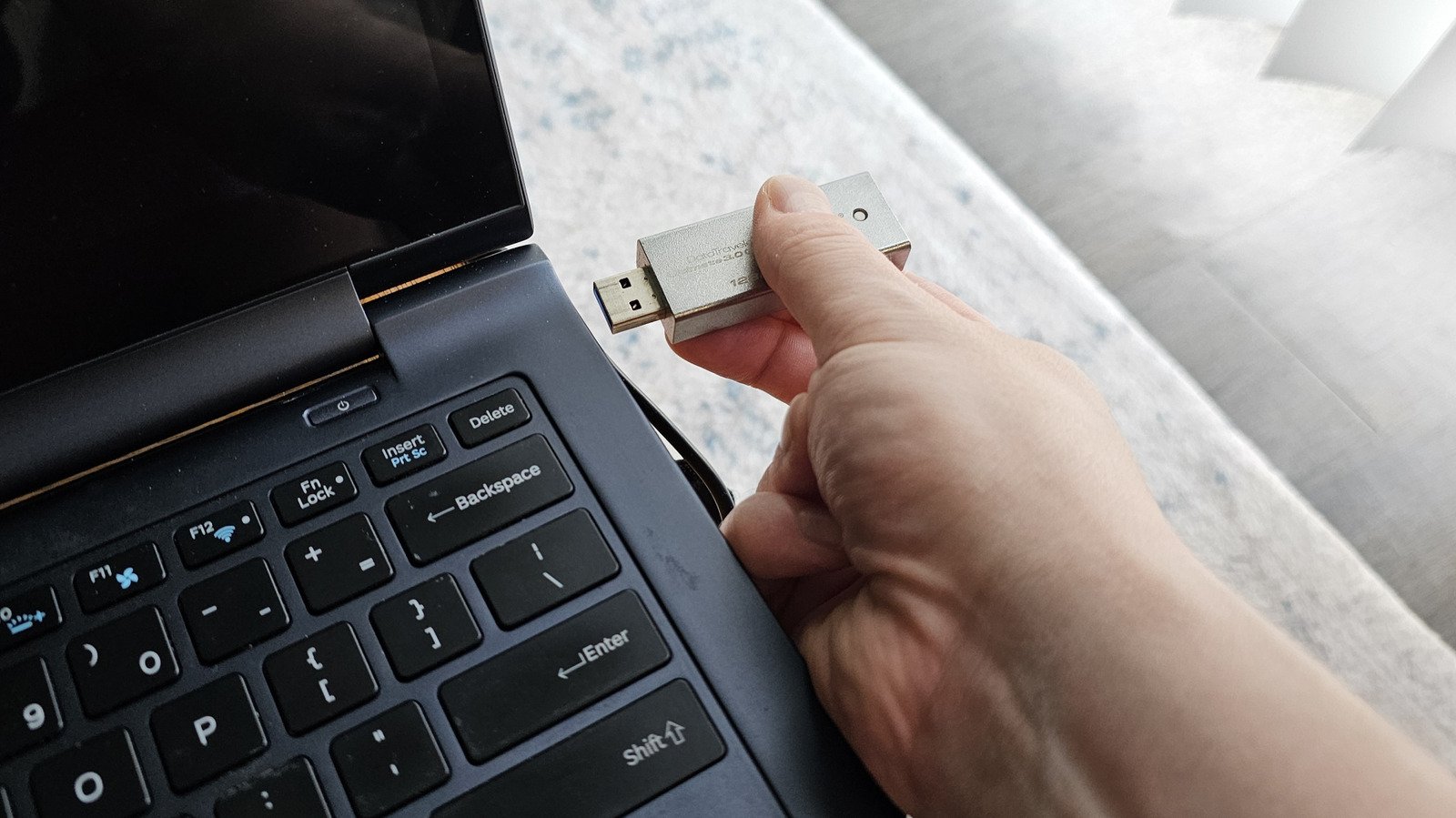
And why you might need to.
Knowing how to format a storage drive is a crucial bit of knowledge for any computer user. It’s a common misconception that formatting is only for wiping a drive that’s full of files you no longer need. Whether you find a drive that’s simply not compatible with your operating system, or have the displeasure of encountering corrupted data, formatting sets your storage device back to a like-new state and wipes the slate clean.
Formatting a drive doesn’t just mean wiping it clean of stored data. It also means overwriting sectors so previously stored data cannot be recovered, setting the file system up anew, and scanning for bad sectors. It’s always a good idea to format a USB drive before reusing it, even if you’ve deleted all the files previously stored on it. Formatting will wipe out any latent ghost files, clear out any hidden malware (you never know!) and optimize the drive for stability.
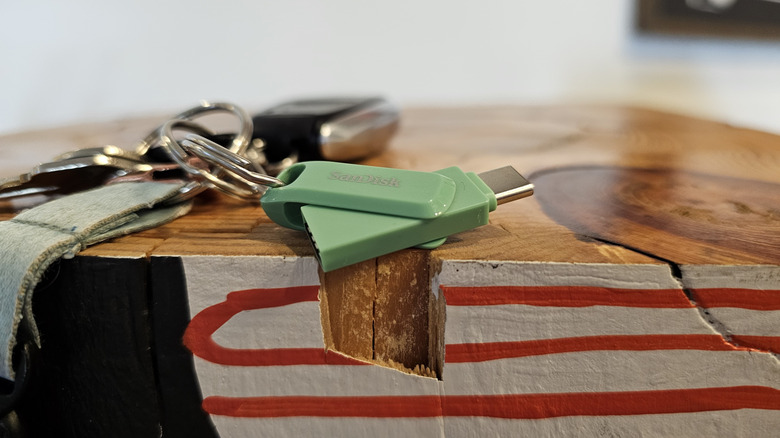
But what many people don’t know is that you should also format a brand new drive before using it. USB drives of all kinds come from the factory with configurations that support broad compatibility but may not match your specific needs. Flash drives in particular, from brands like SanDisk, Kingston and so on, tend to come configured with an older file storage format called FAT32, which has broad compatibility but cannot handle files larger than a few gigabytes.
Whatever your reason for formatting, it can seem daunting until you get the hang of it. So, here’s how to format a USB drive on Windows, and how to know which settings to choose when doing so.
What’s the best storage format for Windows (and other devices you own)?
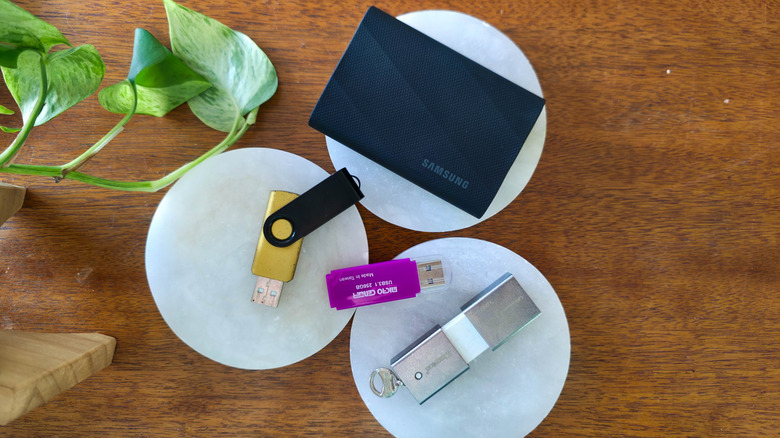
There are three main storage formats for a drive you’ll use externally with a Windows system. Windows itself uses NTFS for internal drives due to its support for partitioning and encryption, among other things. If you plan on using your USB 2.0 or 3.0 drive exclusively with Windows systems, NTFS is the best choice. However, you should not use NTFS if there’s a chance you’ll be plugging your drive into a Linux, Android, iOS or macOS system.
For non-Windows operating systems, the storage format with the broadest compatibility is exFAT. It can handle large files of more than 4GB, so if you plan on using the drive to gain more storage on your Android phone, or to store movies and 4K videos, compressed archives, and so on, exFAT is the de facto choice. While it lacks some of the more advanced features supported by NTFS, it is well suited to thumb drives and basic portable SSDs.
You may also notice an option labeled FAT32, which is the older version of the format. If you foresee using your drive with an older device like a car stereo or ancient printer, FAT32 has the most compatibility of any format and works with just about anything that has a USB port. However, it has serious limitations that render it a bad option for modern use cases. It cannot support files larger than 4GB and is more prone to fragmentation than newer formats. Windows 11 may not play nice with it, either, depending on your use case.
How to properly format your storage drive for Windows
The actual process of formatting the drive is pretty simple. Just plug the USB storage device into a high-speed USB port, then open Windows Explorer. Click This PC on the left-hand navigation panel, then right-click the drive and select Format. Be sure you’re selecting the correct drive, and that you have closed any programs that might still be using the drive or any files on it.
The Windows formatting tool offers a number of different file formats, which can be selected from the second dropdown menu. As discussed above, choose exFAT if you plan to use the USB drive with non-Windows devices such as Android phones, Linux computers or Macs and iPhones. If you’ll exclusively use it with Windows, you can choose NTFS.
You can leave file allocation set to the default, which for most modern USB drives is either 32KB or 128KB when formatting to exFAT. If you plan on using the drive exclusively for storing large files, like games, you can choose a higher value, and you can choose a lower one if you have a lot of very small files like text notes. As a rule of thumb, the larger the drive is and the larger the files you want to store, the larger you can make the allocation size.
Under Volume Label, enter a custom name for the drive, if you want one.
Click Format, and then click OK on the confirmation that appears. Depending on the size of the drive and how full it is, formatting can take anywhere from a couple of seconds to several minutes. Another pop-up will appear once formatting is complete. Confirm and close out of the formatting tool, and you should now have a freshly formatted USB drive.