dailynewsnblog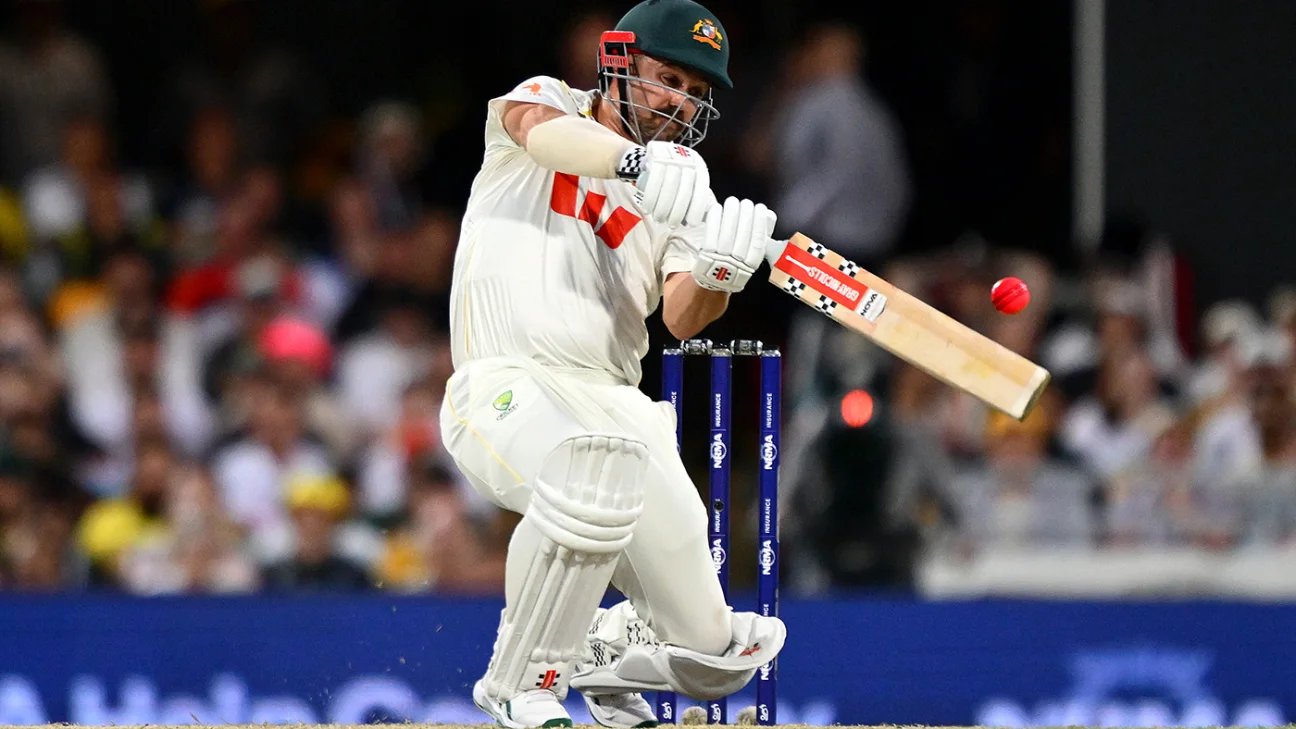
Head had previously opened in very conditions-specific set-ups in India and Sri Lanka – and is a mainstay at the top of Australia’s white-ball sides. But when he was promoted for the injured Usman Khawaja in the second innings in Perth last November. it set in motion a dramatic chain of events. Most immediately was a stunning 123 off 83 balls which secured a two-day victory that flattened England and, as history as shown, played a major part in ending the Bazball era with Travball.
In the immediate aftermath of the Perth Stadium onslaught, there was debate about whether Head would retain the opening role. Now he appears likely to hold it through Australia’s intense upcoming run of 20 Tests (21 if they make the WTC final).
“I don’t know exact stats, but what have I played: 170, 180 first-class games. I might have opened in ten [12] of them,” Head said “I think it would suggest that I’m not an opening batter, a true opening batter, [in terms of] what Australian cricket is known [for], I guess. Guys that have come through the grades opening the batting and played state cricket opening batting, and played Test cricket as opening batters.
“I think my game is conducive to playing well. I feel like I can do a role at the top. I’m at the top, but it’s not [as] that true opening batter, if that makes sense. I know that I’ve still got to work continuously hard at the new ball. I know I’m going to make mistakes. That’s okay. I’m very comfortable with where my game’s at.”
Given the delayed timing of this year’s Allan Border Medal, Head was reflecting on the Ashes eight months after they had finished. For him, judgement of his own performances comes from his impact on matches rather than pure statistics, particularly when faced with more challenging surfaces.
“Very pleased to be able to back it up and be consistent in an Ashes. I think that’s what everyone’s comparing themselves to in Australian cricket over your whole career, how good you are in Ashes cricket. So to be able to put out those sort of numbers, not in a million years I thought I would be able to do that, but also in the same breath I would expect myself to do that. So hard place to be in terms of that, but just very pleased that we’re able to win Ashes this year.”
After the two Tests against Bangladesh this month, Australia will head to South Africa for three matches before facing New Zealand at home. Then comes the five-match Border-Gavaskar series in India and the one-off 150th Test against England. Next June and July is the Ashes. Head suggested that the way he, and the team, plays will vary across the different challenges.
“I’m always happy just to do what the team needs and what’s required, and I just want to contribute to every Test match,” he said. “So we’ve got a lot of opportunities to do that over the next 21 Tests over the next ten months. I don’t sort of pigeonhole myself or expect anything in terms of performance. I just want to go out and play my role, whether that’s setting a tone at the start, whether that’s big hundreds, whatever sort of the series needs and is tailored to.
“We’re going to play in a lot of different conditions over the next 12 months. It’s going to require different efforts. It may not look like the traditional thing all the time. I just want to be able to play a role that ends up winning Test matches. So I’m very comfortable in the fact that it’s not going to work every day. I’m not going to perform every day, but when I am able to, I hope it means that we’re winning games of cricket.”
Andrew McGlashan is a deputy editor at Cricinfo