dailynewsnblog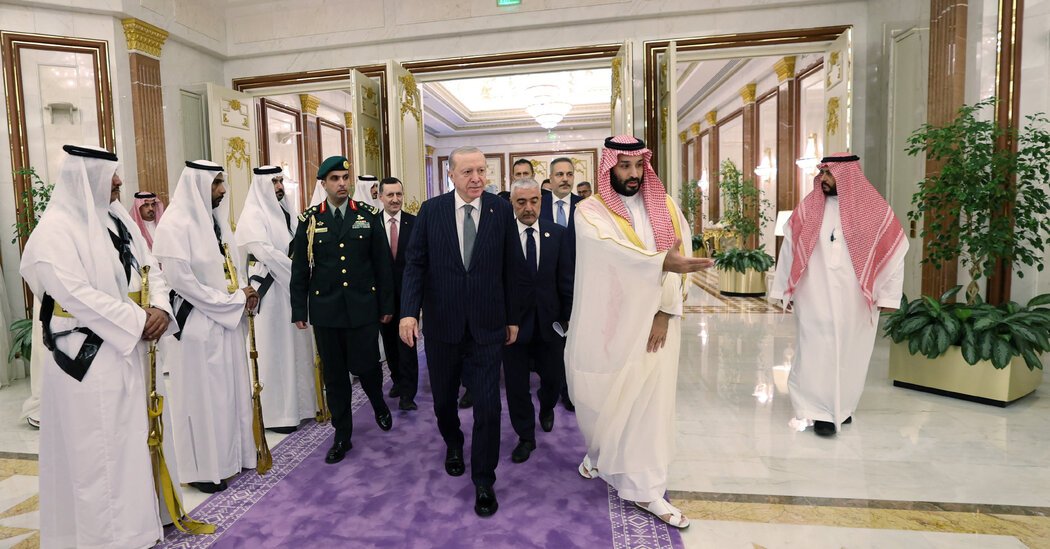
Turkey, Saudi Arabia and Pakistan signed a new pact on Friday committing to collective defense against attacks on any of the three nations, Saudi Arabia said, entering an agreement that could reshape the strategic layout of the Middle East.
“The agreement is intended to strengthen collective deterrence against any act of aggression,” the Pakistani Foreign Ministry said in a statement.
The pact, it said, “stipulates that any armed attack against any one of the three states shall be regarded as an attack against them all.”
A Turkish official, speaking on condition of anonymity, confirmed that the agreement had been signed, adding that it pledged mutual support only for defense and was not directed against any other country.
The idea for a pact bringing together Turkey, Saudi Arabia and Pakistan evolved this year as wars and instability across the Middle East many led countries to explore new ways to enhance their security without relying on the United States and other Western powers.
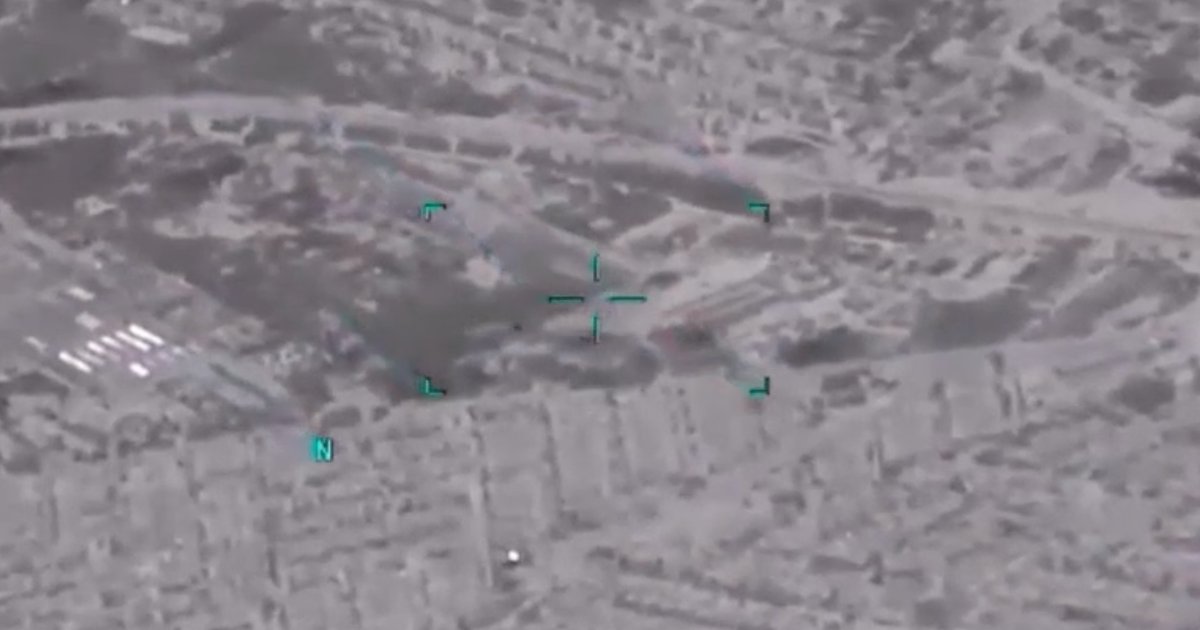
Fueling this thinking were the U.S.-Israeli war on Iran; new attacks on Saudi Arabia that it has blamed on Iran’s allies in Yemen and Iraq; concerns about Israel’s expanding military actions; and doubts about the reliability of the United States as a defense guarantor for its Middle Eastern partners.
The pact, dubbed the Mecca Joint Defense Agreement, was signed on Friday in the holy city of Mecca in Saudi Arabia by President Recep Tayyip Erdogan of Turkey, Crown Prince Mohammed bin Salman of Saudi Arabia and Pakistan’s prime minister, Shehbaz Sharif.
While Egypt participated in early discussions about such a pact, it was not mentioned as a participant on Friday.
The text of the agreement was not immediately made public, making it unclear how it would function in practice.
The Pakistani Foreign Ministry’s statement said that in addition to a commitment to mutual defense, the agreement “further provides for the enhancement of all aspects of defense cooperation among the three States.”
The Turkish official said that other regional countries could join the pact and that it did not cancel or replace any other diplomatic or security agreements to which the individual signatories were already parties.
The new pact follows efforts by Saudi Arabia to build a maritime coalition to deter attacks in the Red Sea. Last month, the kingdom invited dozens of countries to join. At least 14, including Turkey, Egypt, Pakistan and Nigeria, affirmed their support, although it remains unclear how the coalition will function.
The agreement announced on Friday brings together three powerful countries with different strengths whose combined territory extends into Europe and Asia.
Turkey has a large military and a growing defense industry, known for producing everything from artillery shells to advanced drones and selling them to a wide range of countries.
Pakistan, too, boasts a strong military as well as a nuclear arsenal. And Saudi Arabia’s huge oil reserves give it financial heft, alongside the geographic advantage of its long coasts on the Red Sea and the Persian Gulf.
But each country also brings its own conflicts and security problems, which its partners may hesitate to get involved with.
Turkey, a NATO member, has long-running territorial disputes with Greece in the Aegean Sea as well as an increasingly acrimonious relationship with Israel.
Pakistan manages instability in neighboring Afghanistan and has a long history of tensions with India, also a nuclear power. Periodic flare-ups between the South Asian rivals raise the specter of potential new hostilities.
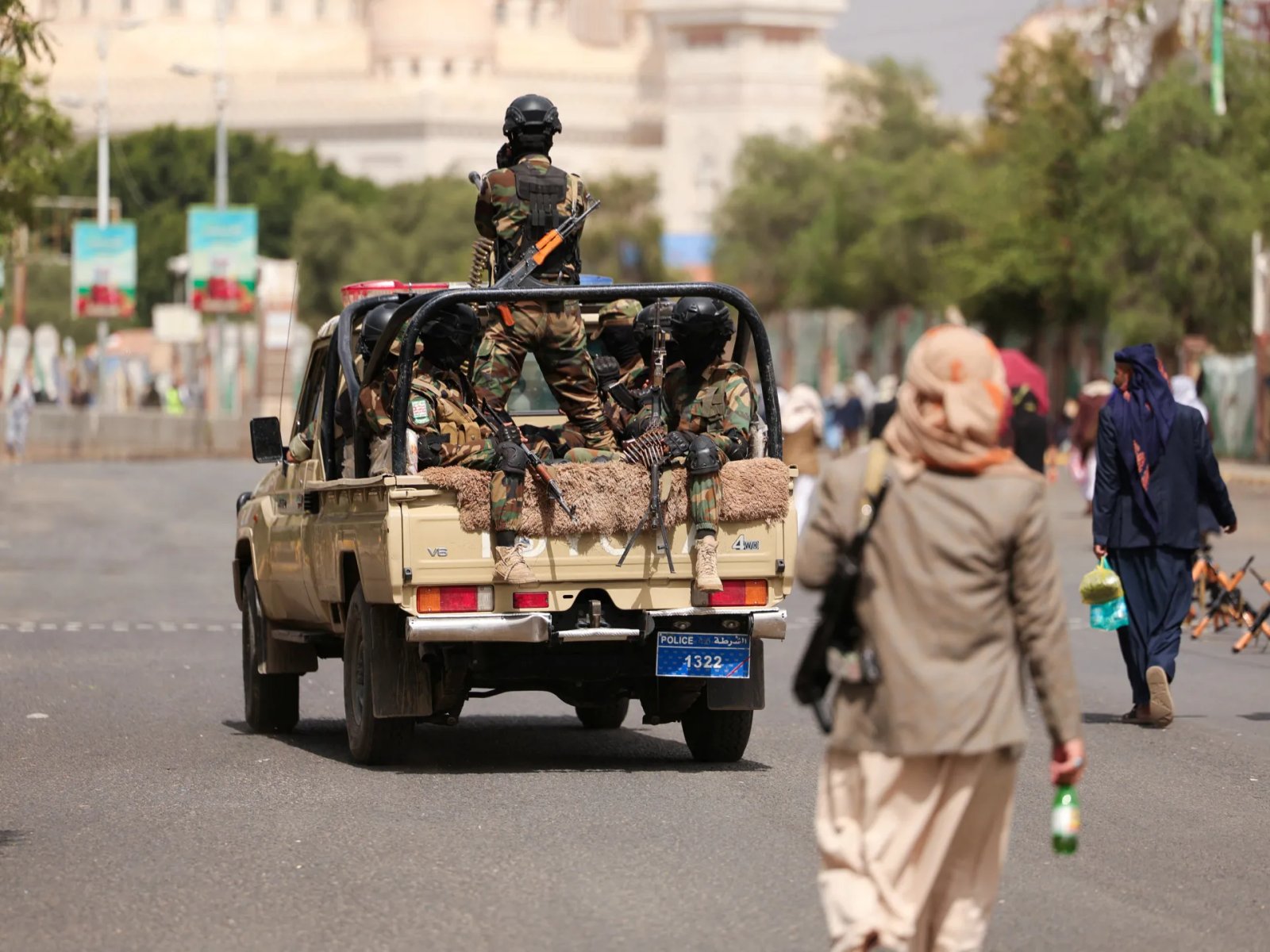
Saudi Arabia sits across the Persian Gulf from Iran, which has launched missile and drone attacks on the kingdom in retaliation for U.S. and Israeli attacks. It must also deal with the Houthi rebels in Yemen, who have launched attacks in the Red Sea in support of Iran, their key ally and supporter.
On Friday, the spokesman for a Saudi-led military coalition in Yemen, Maj. Gen. Turki al-Malki, said in a statement on social media that Houthi shelling the day before had injured 11 civilians in the southern Saudi region of Najran, including a 4-year-old and a Pakistani citizen.
Safak Timur contributed reporting from Istanbul and Salman Masood from Islamabad, Pakistan.