dailynewsnblog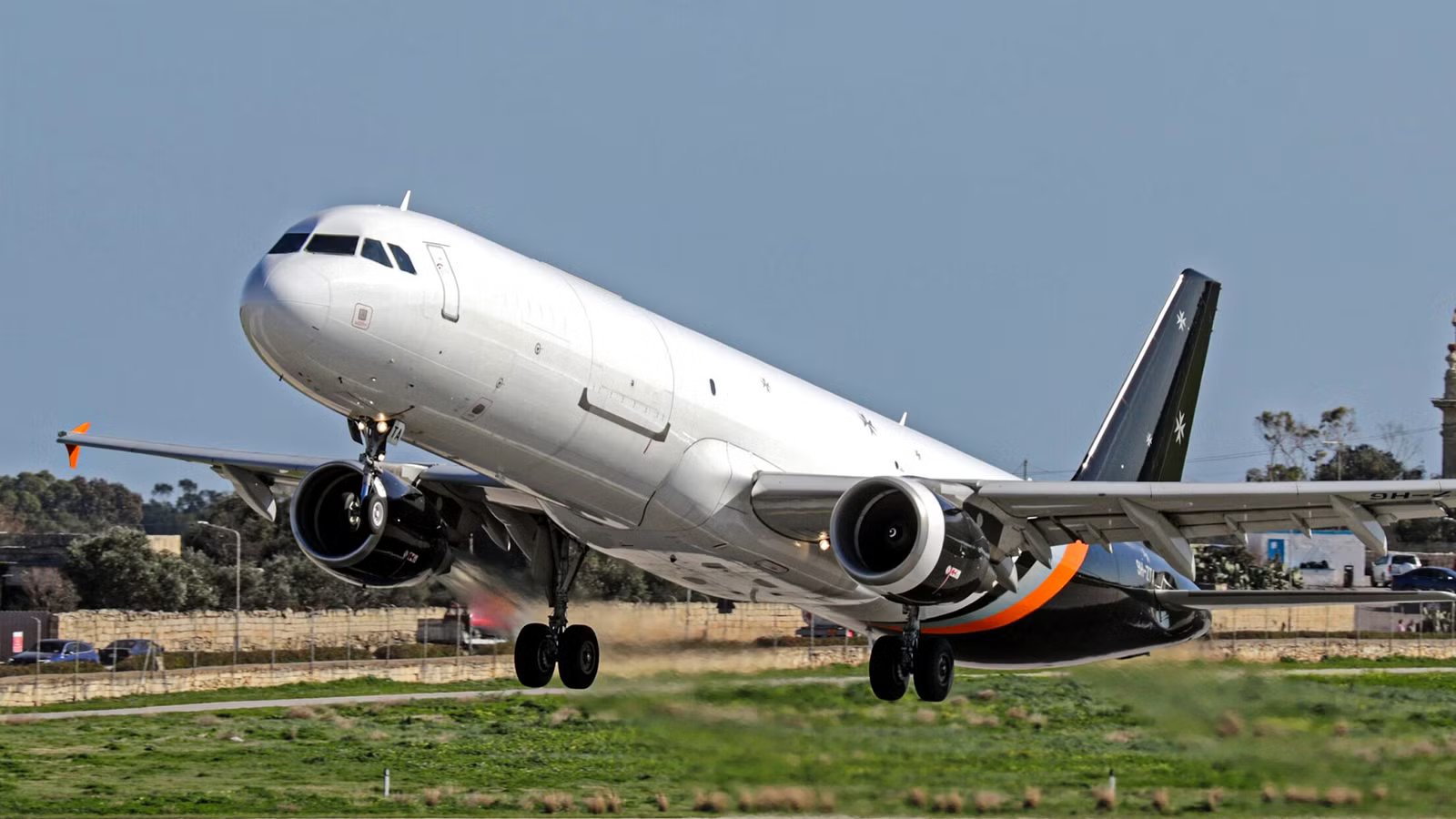
Commercial airliners typically move on to new endeavors when their service is no longer needed by the airlines, many of which end up being converted into freighters. Factory-new cargo jets often dominate headlines, though in reality, passenger to freighter ( P2F) conversions are delivering the bulk of real-world capacity additions to cargo operators in 2026.
Driven by relentless cross-border e-commerce growth and tight lower-belly capacity on key regional corridors, cargo airlines and aircraft lessors are turning to converted midlife aircraft to build flexible, high-capacity fleets. According to long-term market projections from  Boeing, global air logistics will require more than 2,800 additional freighters through the 2040s, with converted passenger aircraft expected to account for over half of those total deliveries.
What Is Driving These Conversions?

The rapid expansion of cross-border e-commerce platforms has had a profound impact on air cargo trade flows over the past decade. High-volume online retailers and express delivery providers have shifted global air freight demand away from traditional, consolidated general cargo toward high-frequency express parcel shipments. To actually make this operational shift a reality, cargo airlines need reliable, point-to-point flight schedules that can be perfected for speed and volume rather than standard freight consolidation.
Relying exclusively on the lower belly hold of passenger aircraft has proven insufficient for modern e-commerce supply chains. While passenger flights provide valuable belly capacity on major trunk routes, their departure times and route networks are dictated by human travel patterns rather than logistics deadlines. Furthermore, light, high-volume e-commerce packaging tends to fill available cargo volume long before reaching maximum structural weight limits, making the wide, unobstructed main deck of a dedicated freighter essential for maximizing volumetric capacity.
So what are cargo operators doing about this? Looking across the decisions of express integrators, aircraft lessors, and ACMI (Aircraft, Crew, Maintenance, Insurance) charter carriers, all are aggressively acquiring midlife passenger airframes for main-deck cargo conversion. Although the conversion market in 2026 has matured into a more disciplined, selective environment compared to the post-pandemic spike, the underlying structural need for converted capacity remains firm. Cargo carriers are building a flexible logistics infrastructure capable of supporting modern global trade by turning 15-to-20-year-old passenger jets into dedicated freighters.
Getting The Aircraft Ready For Action

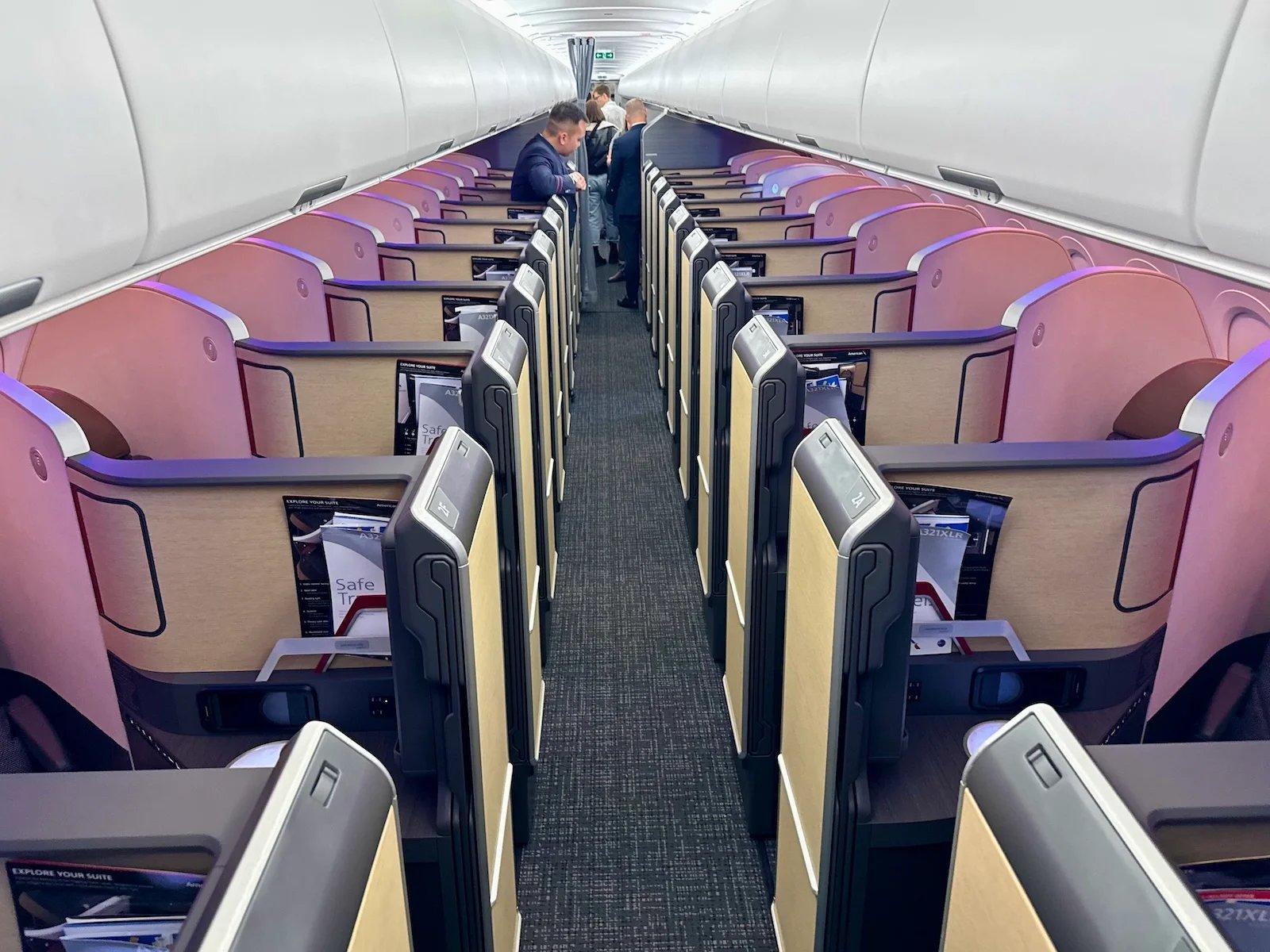
Remolding an airframe designed for human passengers into a heavy-lift cargo platform is a multi-stage process. A key part of getting these aircraft ready for their new lives is through an extensive supplemental type certificate overhaul. Engineers strip the interior down to bare metal, removing seats, lavatories, galleys, overhead bins, and sidewall insulation. Technicians seal every cabin window with lightweight aluminum plugs and rebuild the floor structure. Palletized freight concentrates immense weight onto small surface areas, so floor beams receive high-strength alloy caps and reinforced cross-bracing to handle heavy industrial loads.
The defining alteration was cutting the outer fuselage skin to install a hydraulic main deck cargo door. Cutting an opening, sometimes up to 146 inches (371 centimeters) wide, requires temporary internal shoring to keep the fuselage from flexing during surgery. Once the door frame is riveted to the primary airframe stringers, workers install a 9G rigid barrier wall right behind the cockpit to protect the flight crew from shifting freight. Below the barrier, a powered cargo loading system goes in, complete with drive wheels, guide rails, and omnidirectional ball mats that allow two crew members to slide multi-ton containers into place in minutes.
Weight distribution and system control need equal precision. Replacing distributed passenger weight with dense, palletized freight alters the flight envelope and center-of-gravity calculations. Conversion teams adjust flight control software, re-route primary electrical looms away from cargo rails, and upgrade the cabin air conditioning systems. Managing airflow and temperature zones across the main deck is a massively important addition as it keeps high-value pharmaceuticals, electronics, and perishables protected during long-haul transits.
The Key Players In The P2F Market

The single-aisle conversion sector is easily the busiest operational frontline in air cargo, especially as it is so integral for express parcel integrators and regional e-commerce networks. Boeing dominated this space for well over a decade with its classic freighter conversions, but the arrival of Next-Generation airframes from competitors like Airbus triggered a direct clash between two single-aisle heavyweights. Airlines and lessors evaluating medium-capacity freighters now need to weigh the established global support footprint of the Boeing 737-800 BCF against the larger dimensions and payload capability of the Airbus A321P2F.
From a technical perspective, the two airframes serve slightly different volumetric profiles across regional trade lanes. The 737-800BCF offers exceptional trip-cost economics for express operators carrying density-limited packages across short-haul domestic loops. However, the A321P2F has a longer fuselage to deliver nearly 28% more usable cargo volume and roughly 22% higher maximum structural payload. What this volumetric advantage means for operators is that carrying lightweight e-commerce freight to maximize cubic capacity before hitting structural weight limits is far more of a possibility.
A decisive operational differentiator for the A321P2F is its lower deck containerization capability. While the 737-800 relies on manual bulk-loading in its lower holds, the A321 accepts ten standard LD3-45W containers below the cabin floor, dramatically reducing airport turnaround times and ground handling labor costs. Despite this technical edge, narrowbody conversion activity has currently experienced a temporary cooling period from its post-pandemic peak. Engine maintenance backlogs and new-aircraft delivery delays in the passenger sector have led passenger airlines to extend the operating lives of active A321 airframes, restricting the immediate availability of affordable donor feedstock for cargo conversion programs.
Growth In The Widebody Sector

Single-aisle aircraft handle regional express parcels, whereas on intercontinental trade corridors, heavy-lift widebody capacity is most definitely needed to span ocean routes. Long-haul air freight in the past has been dominated by four-engine jumbo jets and three-engine freighters to transport heavy cargo between global hubs. Today, high fuel prices, strict emissions targets, and aging maintenance schedules are driving those legacy widebodies into retirement, opening up an ideal market for two-engine converted freighters.
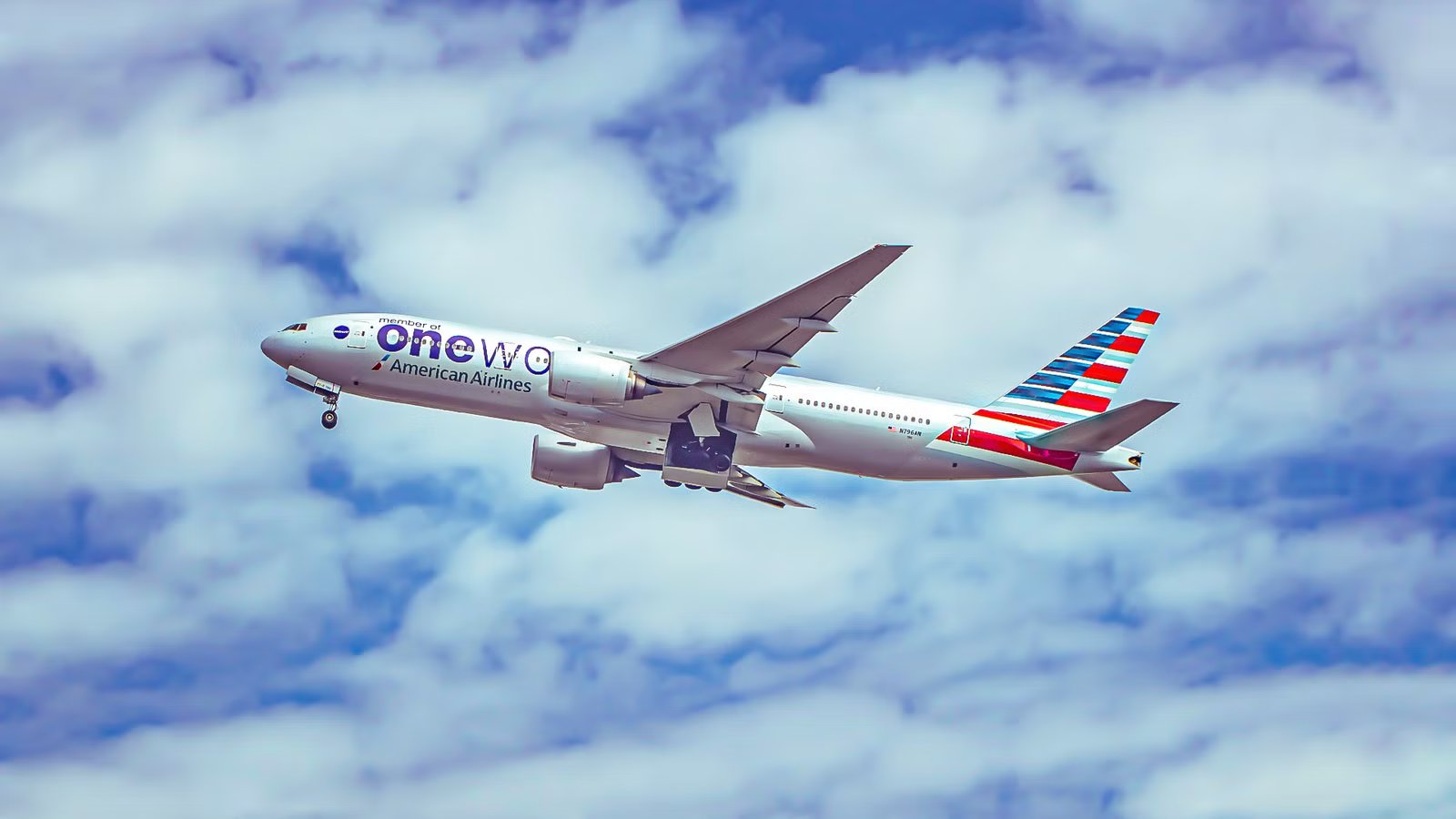
The widebody conversion space is now led by twin-engine platforms offering substantial main-deck volumetric space. Programs for converted aircraft like the Airbus A330-300P2F and the Boeing 767-300BCF established the middle-of-the-market long-haul baseline, but the arrival of the heavyweights is here. The Boeing 777-300ERSF and Boeing 777-200LR conversions, engineered by Israel Aerospace Industries and Mammoth Freighters, are now taking to the skies. Operators like Challenge Group and Kalitta Air are already flying these 777 conversions across high-density lanes and showing the capabilities of these twin-engine jets to deliver the massive volume previously restricted to factory-built freighters.
The core advantage of converted widebody twin-jets boils down to fuel burn and physical volume. The converted 777-300ERSF consumes up to 21% less fuel per ton of cargo compared to a classic four-engine Boeing 747-400F while accommodating 30 main-deck pallet positions. Furthermore, airlines running existing passenger or cargo 777 fleets benefit from over 95% commonality in engines, spare parts, and flight crew qualifications. As global operators replace retired jumbo jets, converted twin-engine widebodies are claiming the top tier of international air logistics and keeping a tight grip.
Buying New Makes Less Sense

When evaluating fleet expansion, air cargo finance desks routinely confront a core strategic question. Why commit $185 million or more to a factory-new production freighter when a converted midlife passenger jet provides comparable main-deck volumetric capacity at less than half the capital cost? Of course, factory-new platforms deliver superior fuel burn and range per ton-mile, but they carry staggering monthly lease or debt obligations alongside multi-year order backlogs. For express parcel carriers and charter providers operating in volatile trade environments, managing capital expenditure takes precedence over shaving marginal percentages off fuel burn.
The financial rationale for passenger-to-freighter modifications comes from the combined cost of the donor feedstock and the supplemental type certificate work package. An older used narrowbody airframe like an Airbus A321-200 or Boeing 737-800 can be acquired for $15 million to $30 million, while a heavy maintenance check and structural conversion adds roughly $6 million to $9 million. The resulting total on-ramp asset cost of $21 million to $39 million allows operators to secure a dedicated freighter at a manageable entry price. Widebody conversions follow a similar value curve; an Airbus A330-300 or Boeing 777-300ER requires a higher total outlay of up to $80 million, depending on engine shop visit requirements, yet still sits massively below the acquisition price of a new-build freighter.
Sourcing midlife passenger airframe feedstock allows lessors to extend revenue generation across a secondary 15-to-20-year operating life rather than selling aging assets at steep residual discounts. From an operator’s perspective, lower fixed monthly debt obligations mean converted aircraft carry significantly lower break-even load factors. When freight demand seasonally drops or trade corridors experience temporary softness, airlines can park or throttle back converted freighters without facing the crippling financial penalties associated with unflown $180 million production assets.
The Quiet Growth Of A Critical Asset

Being a cargo operator in the current aviation industry climate is no easy task, constantly having to battle industrial constraints defined by supply chain friction, skilled labor shortages at Maintenance, Repair, and Overhaul (MRO) facilities, and conversion lead times stretching 18 to 24 months. MRO hangars cannot expand to accommodate widebody airframes with wingspans exceeding 212 ft (64 m) without multi-million-dollar investments and specialized structural technicians, leaving global conversion capacity tightly constrained.
To mitigate extended non-revenue downtime and manage conversion slot backlogs, lessors and cargo operators are adopting a far more disciplined, selective approach to asset underwriting. Success in this environment relies on securing conversion slots years ahead of airframe induction, conducting exhaustive maintenance audits on feedstock prior to teardown, and aligning delivery schedules directly with long-term air logistics charter contracts.
What all of this ultimately means is that converted freighters will remain an indispensable structural pillar of global supply chains. From extending the operational utility of midlife passenger airframes by 15 to 20 years, the passenger-to-freighter industry creates an efficient circular economy that maximizes the life-cycle value of commercial airframes. As new-build aircraft production continues to encounter delivery delays, the quiet revolution of passenger-to-freighter conversions is something to behold.