dailynewsnblog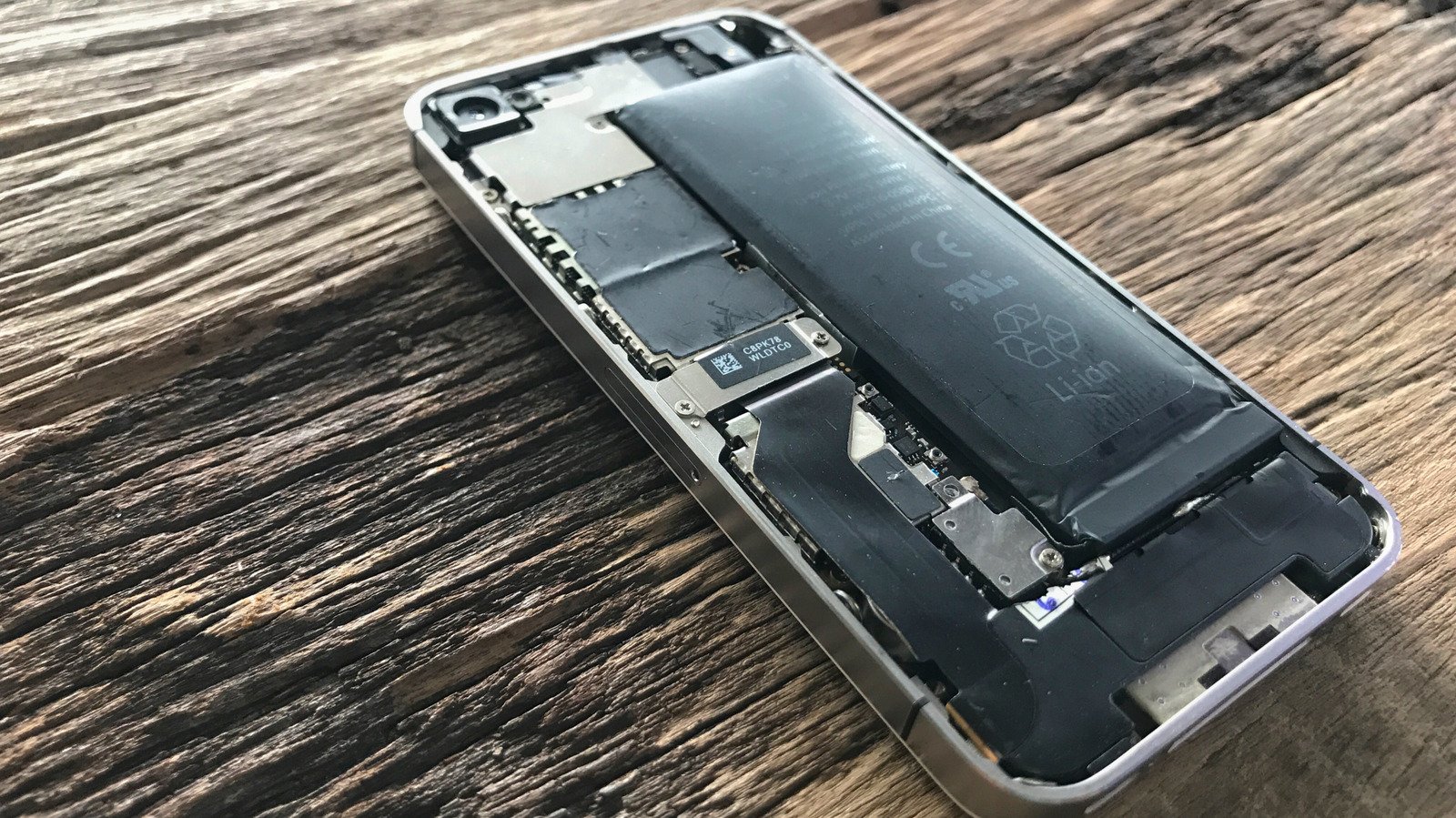
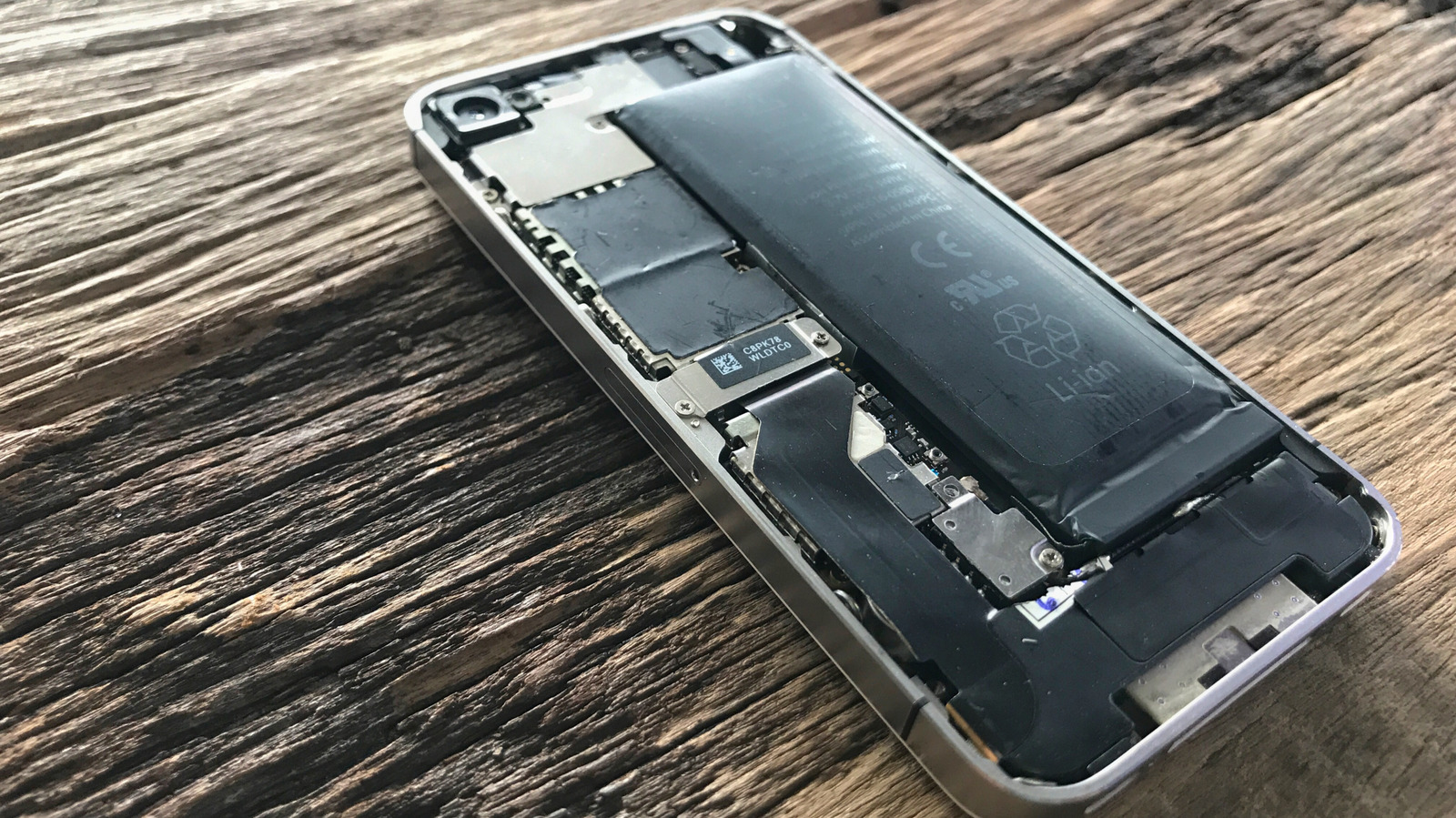
Starting in February 2027, a new law will come into force in the European Union. The law, which has been years in the making, requires companies to sell phones and tablets with removable batteries in the bloc. It’s meant to extend the lifespan of devices and reduce waste, as well as make it easier to get raw materials like lithium and cobalt from old batteries.
Because companies are less likely to release a special version just for the EU than to simply adopt a new universal design, the rest of us could be getting removable batteries, as well. The best example of this is the iPhone, which now comes with a USB-C port instead of the Lightning port, because of an EU regulation that made USB-C the common charging standard in the region.
Despite the upcoming rule, you still probably won’t see a lot of phones with back covers and batteries you can easily pry off with your nails. According to the language in the regulation, a battery is “considered to be removable by the end-user” if it can be removed with commercially available tools like screwdrivers. They must not require specialized tools, “unless they are provided free of charge,” and they can’t use adhesives that would need heating or solvents to remove. That means phones could still have back covers and batteries secured by screws, and companies could just ship them off with special tools if they use anything that can’t be removed by standard screwdrivers.
However, there is a carveout in the rules that could mean Apple doesn’t have to redesign the iPhone. It states that companies can just provide replacement batteries to professional repairers (not end users) if their devices meet certain requirements. First, the model’s battery must have a remaining capacity of at least 83 percent in a fully charged state after 500 charge cycles. After 1,000 charge cycles, the device’s battery health must be at least 80 percent. Finally, the device must have an IP67 rating, at least, which means it’s dust-tight and can survive temporary immersion in water.
On its support page, Apple says the batteries of iPhones 15 and newer were designed “to retain 80 percent of their original capacity at 1,000 complete charge cycles under ideal conditions.” And as we mentioned earlier, the iPhone 17 series has a rating of IP68. Of course, devices other than the iPhone could be exempted, as well, if they meet those requirements. In other words, you will likely see a bunch of new phones starting next year with batteries that are relatively easy to replace, but companies may not have to drastically change the designs of their more expensive models.