dailynewsnblog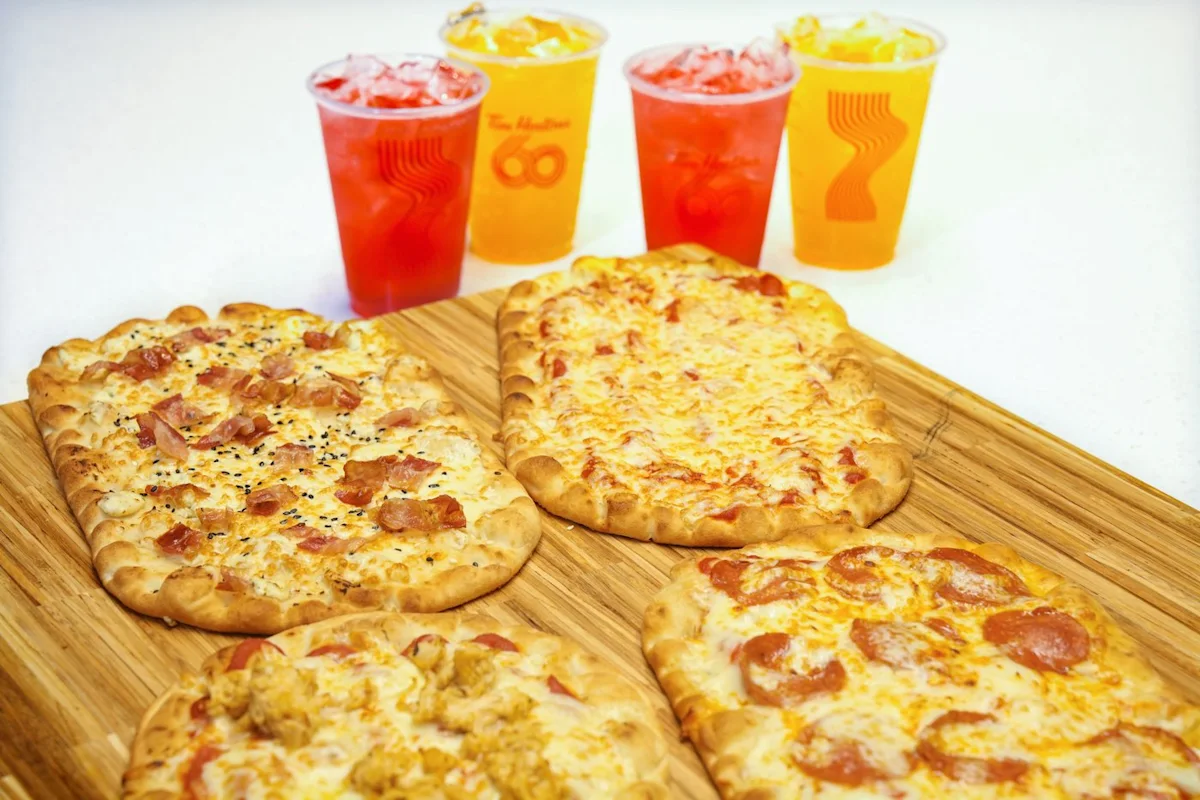

TORONTO — Tim Hortons’ latest quarter lacked some of the brand’s usual pep.
The café chain’s owner Restaurants Brands International Inc. revealed Thursday that Tim Hortons’ sales remained flat in its second quarter, when its marketing failed to land how executives hoped.
“Our calendar didn’t drive the growth we’ve come to expect from Tims and was unable to lap last year’s major platform launches,” RBI chief executive Josh Kobza said on a call with analysts.
Tims spent much of the quarter pushing sandwiches akin to grilled cheeses that the company recently brought back in response to consumer demand. Its other big launches included new flavours of quenchers — its cold beverages that come in fruity flavours and sometimes with added protein — and a line of four new Timbit flavours advertised with soccer theming and timed to the FIFA World Cup.
Kobza didn’t outline which products or campaigns failed to impress but indicated he doesn’t think Tims is on the verge of a slump.
“We were encouraged by stronger business performance as the quarter progressed and are excited about the backhalf calendar,” he said.
In the coming months, it will launch a Harry Potter partnership with doughnuts for each Hogwarts house and a quencher inspired by the franchise’s Forbidden Forest and served in a temperature-activated, colour-changing cup that reveals a Patronus.
New flavours of its core breakfast offerings and a holiday partnership are also on their way, though the company offered no specifics around what either could entail.
Kobza is hoping the launches fuel the kind of growth Tims is used to. The brand makes up roughly 41 per cent of the operating profit recorded by RBI, which also owns Burger King, Popeyes Louisiana Kitchen and Firehouse Subs.
But in the second quarter, Tims notched US$2 billion in system-wide sales, about the same as a year earlier. Comparable sales grew 0.1 per cent, down from 3.4 per cent a year prior and paling in comparison to the 8.6 per cent leap Burger King experienced over the same period.
System-wide sales capture the revenue companies make across all of a brand’s restaurants.
In RBI’s second-quarter, its profit attributable to common shareholders reached US$507 million, compared with US$189 million during the same quarter a year ago.
The company, which keeps its books in U.S. dollars, said the profit amounted to US$1.45 per diluted share, up from 57 cents US per diluted share a year earlier.
Revenue for the quarter ended June 30 totalled US$2.5 billion, up from US$2.4 billion.